| Not a fan of Fred? Unsubscribe here. |

Trump Targets Credit Card Rates, Putting Bank Profits in the Spotlight
What Trump’s Proposal Could Mean for You
January 13, 2026
|
| MorningBullets is the fastest way to catch up on the market and political news that matter most to your money. Quick takes, sharp insight, and curated opportunities—served fresh every weekday morning. |
Sponsored Content
Get Our Free AI Stock Report Before It’s GoneOur latest Market Maven Insights report reveals 3 small-cap stocks triggering early buy-side signals. Access is free — but only for the next 48 hours. 📊 Download the Free ReportBy clicking this link you will automatically be subscribed to the Market Maven Newsletter. Privacy Policy |
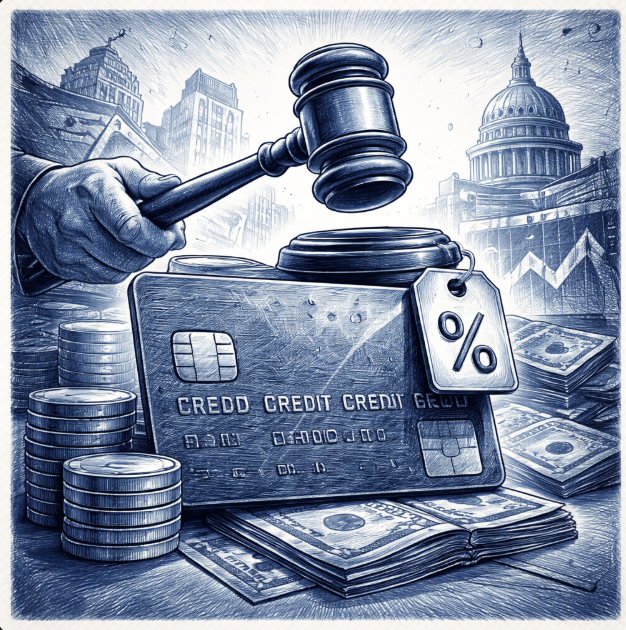 Washington weighs limits on credit card interest as banks and borrowers watch closely.
|
Good Morning, Markets are steady near record levels, but a new policy signal out of Washington is drawing investor attention. President Trump has floated the idea of capping credit card interest rates, a move that could directly affect bank profits and consumer credit. We break down what’s being discussed, why lenders are pushing back, and what investors should watch next.A Seadrill downgrade and potential federal fraud crackdowns could rattle both energy and government contractor stocks, while ICE activity dampening local commerce may add pressure to small-cap retail and service sectors. Don't forget to voice your opinion in my polls below. Here are your Morning Bullets. – Truly yours, Fred Frost |
📈 Yesterday's Market RecapYesterday, U.S. markets showed resilience despite renewed political pressure on the Federal Reserve. Equities nudged higher, with investors seemingly hedging rather than panicking—a pragmatic response to uncertainty.
|
📉 Daily Performance Snapshot
|
🔭 What to Watch TodayToday’s docket is packed with earnings and policy moves that could ripple through markets. Keep your eyes on these key events for potential volatility or opportunity. |
💡 Opportunity WatchAmid the market highs and policy noise, a few under-the-radar plays are catching my eye. These trends and tickers could offer upside for those willing to look beyond the headlines.
|
|
🔥 The Big BulletTrump’s credit card rate-cap talk puts big banks in focusWhat happened: President Donald Trump said he wants to push down credit card interest rates, and the idea being discussed is a cap on how high rates can go. CNBC reported Trump is targeting credit card rates and flagged what’s at stake for Capital One and other banks. Right now, many cards charge very high rates, especially for people who carry a balance from month to month. The plan is not a law yet, and it would likely need action from Congress and federal agencies. Bank executives and policy watchers told CNBC that the enforcement path for a rate cap is still unclear, which makes the timeline hard to pin down. Investors are paying attention because credit cards are a major profit source for several lenders. Some consumer groups like the idea because it could lower monthly interest costs for borrowers. But banks warn that a hard cap could change who qualifies for credit and how much credit is offered. Why it matters: A national rate cap would be a direct hit to one of the highest-margin parts of consumer banking. If banks earn less interest, they may try to make up the gap with higher fees, tighter limits, or stricter approval rules. That could matter most for people with lower credit scores, who already face the highest rates. Any big shift in card profits can also move bank stock prices, especially when policy headlines are driving sentiment. TheStreet noted a separate White House move that shocked Wall Street’s favorite banks, showing how quickly politics can land on the sector. On Capitol Hill, Senator Elizabeth Warren argued that Congress has the power to cap credit card rates if the president backs it. For markets, the key issue is not just the headline, but whether the proposal turns into real rules. Even talk of a cap can make investors re-check earnings forecasts for lenders that rely heavily on card interest. What’s next: Watch for details: the exact cap level, which types of cards it would cover, and whether it would apply to existing balances or only new charges. Also watch for formal steps, like draft legislation, committee hearings, or agency comments that show the plan is moving forward. Short-term market reactions may show up in bank and consumer-finance stocks; CNBC tracked stocks making the biggest moves midday as investors digested fresh headlines. Earnings season can add fuel, since banks will be asked about credit-card growth, late payments, and pricing plans. If lenders pull back on credit, that can cool consumer spending over time, which feeds into the wider economy. TheStreet also highlighted worries that the market may be overlooking recession risks, so any change to consumer credit could get extra attention. Keep an eye on credit-card delinquency trends and charge-off rates, since higher losses can make banks even more sensitive to policy changes. Finally, listen for how regulators describe their authority, because that will shape whether this becomes a real market-moving rule or just a political message.
|
Reader Feedback
Yesterday, I asked you: How concerned are you about politics affecting the Federal Reserve’s decisions?
The majority of you at 22% said "Very concerned — politics should stay out of the Fed"
Chris from Maine replied: ”I’m very worried because politics shouldn’t mess with the Fed and how it makes money decisions."
Here's what I'm asking you today:
As always if your opinion is not here, or you want to throw your two cents at me, reply to the E-mail, and let me know your exact thoughts.
🧭 Policy & Market Ripples
|
📜 This Day in History – January 13January 13 has a cartographer’s bias: measure the world, publish it widely, and build the institutions that make “knowledge” and “markets” less guesswork and more system.
|

Today's Trivia
Yesterday, 27% of you chose the right answer to the trivia question: The total value of assets owned, minus liabilities
|
