| Not a fan of Fred? Unsubscribe here. |

Why Markets Are Watching the Federal Reserve’s Independence
What Fed Leadership Uncertainty Could Mean For You and Your Investments
January 12, 2026
|
| MorningBullets is the fastest way to catch up on the market and political news that matter most to your money. Quick takes, sharp insight, and curated opportunities—served fresh every weekday morning. |
|

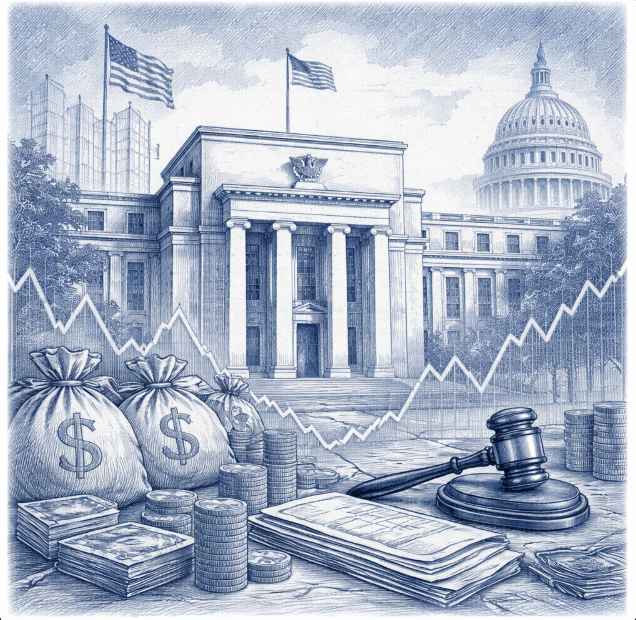 Markets watch the Federal Reserve as policy questions move back into focus.
|
Good Morning, Markets are steady near record levels, but attention is shifting to Washington rather than earnings. Investors are quietly watching new questions around the Federal Reserve’s independence and what that could mean for future interest-rate decisions. We break down what’s driving the discussion, why it matters for stocks and borrowing costs, and where risks could emerge if policy pressure starts to influence markets.China’s consumer pivot toward travel and dining may lift leisure stocks, while Regeneron earns a bullish upgrade on drug prospects and Allegiant’s $1.5B Sun Country buyout signals turbulence ahead in the budget airline sector. Don't forget to voice your opinion in my polls below. Here are your Morning Bullets. – Truly yours, Fred Frost |
📉 Yesterday's Market RecapYesterday, markets stumbled as Fed Chair Powell’s clash with political forces rattled nerves, though commodities like gold held firm. The S&P 500 and Nasdaq took hits, but energy and materials showed resilience amid geopolitical tensions. Here’s what moved the needle:
|
📉 Daily Performance Snapshot
|
🔭 What to Watch TodayToday’s calendar is packed with events that could sway markets, especially amidst the Fed uncertainty. Keep your eyes on these developments for potential volatility. |
💡 Opportunity WatchAmid the noise, a few sectors and themes stand out for potential gains. Here’s where I’m seeing upside for the sharp-eyed investor:
|
|
Sponsored Content
Free Brief: 5 Stocks for the AI Infrastructure CycleMarkets are at highs, and policy is picking lanes. Discover five companies positioned for the administration’s $500B AI buildout.
By clicking the link above you agree to receive periodic updates from our sponsor. |
🔥 The Big BulletInvestors watch the Fed as leadership questions heat upWhat happened: Investors are paying closer attention to the Federal Reserve after talk grew about a possible decision on the next Fed chair. The key worry is whether the central bank can keep making choices based on inflation and jobs, not politics. When people talk about “Fed independence,” they mean the Fed can raise or cut rates without being pushed by elected leaders. At the same time, new policy ideas are also landing on Wall Street’s desk, including a proposed 10% cap on credit-card interest rates. Banks and lenders have warned that big changes to how rates are set could affect who gets credit and at what price. Markets tend to react fast when they think future rate policy could change. That is why even early chatter around leadership or rules can move expectations. For now, the headlines are about policy pressure and what it could mean for the path of interest rates. Why it matters: The Fed’s rate decisions influence borrowing costs for mortgages, car loans, and business debt, so trust in its process matters to markets. If investors think politics could sway the Fed, they may demand higher returns to hold bonds, which can lift yields. That can also weigh on stock prices, especially for companies that rely on cheap financing. On the consumer side, proposals like the credit-card rate-cap debate highlight how quickly rate policy can become a public issue. If caps or new rules squeeze lender profits, banks may tighten lending standards or shift fees in other places. That kind of shift can ripple into spending, since many households lean on credit cards for short-term cash flow. Bank stocks can also react because their earnings are tied to rates and loan growth. Even outside the U.S., investors are watching how banks perform, including why some money managers are looking overseas for bank stocks. What’s next: Watch for clearer signals on Fed leadership and how markets price in future rate moves as the year starts. Any official comments about the Fed’s role could hit bond yields first, then spread to stocks and the dollar. Also track whether rate-cap ideas gain real traction or fade after the first round of pushback. Another near-term focus is how investors interpret the new-year mood in markets, including early-2026 optimism showing up in market commentary. Economic data can quickly change the tone if it points to faster inflation or weaker growth. Consumer confidence is one place to look, since it can hint at future spending and hiring. In that context, keep an eye on January consumer sentiment readings and how they compare with last year. Finally, earnings season and any big moves in lending results could show whether higher rates are helping or hurting the banking system.
|
Reader Feedback
Last week, I asked you: Which best matches your view on the $1.5 trillion defense budget talk?
The majority of you at 21% said "Cause short-term noise but no real change"
Angela from South Dakota replied: ”I think it will make some noise for a little while, but it probably won’t change much in the long run."
Here's what I'm asking you today:
As always if your opinion is not here, or you want to throw your two cents at me, reply to the E-mail, and let me know your exact thoughts.
🧭 Policy & Market Ripples
|
📜 This Day in History – January 12January 12 leans institutional and infrastructural — moments when standards, tools, and platforms quietly made the future easier to organize, finance, or scale.
|

Today's Trivia
Yesterday, 28% of you chose the right answer to the trivia question: The total value of assets owned, minus liabilities
|
