| Not a fan of Fred? Unsubscribe here. |

Tariff costs land; Silver’s quiet rally
The Fed under pressure + Why prices are moving
January 15, 2026
|
| MorningBullets is the fastest way to catch up on the market and political news that matter most to your money. Quick takes, sharp insight, and curated opportunities—served fresh every weekday morning. |
Sponsored Content
This Chart Pattern Looks Just Like TIO in Early 2023
Traders who got in early on $TIO saw outsized gains once the volume picked up. We’re seeing something similar again — and it's not on the radar yet.
By clicking the link above you agree to receive periodic updates from our sponsor. |
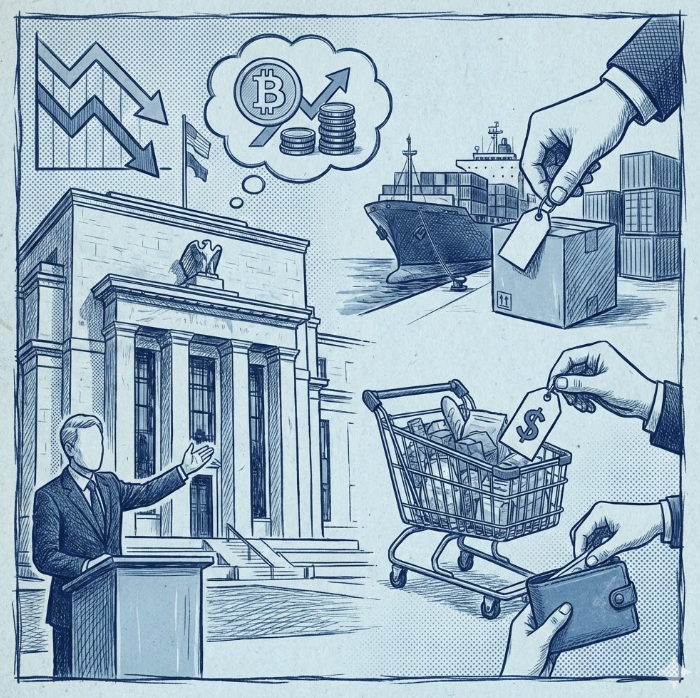 Political pressure mounts on the Federal Reserve while tariff costs finally make their way to the consumer's cart.
|
Good Morning, Markets are facing new headwinds as political tension with the Federal Reserve spikes and businesses begin passing tariff costs to consumers. We break down why this uncertainty is fueling a rally in silver and crypto while the Nasdaq leads stocks lower. If you are hedging against inflation or holding precious metals, this is the one to read.Behind-the-scenes IRS audit changes, China’s infrastructure strategy in Latin America, and rising U.S. credit card rate cap chatter each pose subtle but significant shocks to liquidity, commodities, and fintech lending models—reshaping risk, trade flows, and investor valuations. Don't forget to voice your opinion in my polls below. Here are your Morning Bullets. – Truly yours, Fred Frost |
📈 Yesterday's Market RecapU.S. equities finished lower on Wednesday as major indexes extended a pullback from recent highs amid mixed bank earnings and weakness in big tech. The S&P 500 and Nasdaq both declined while small caps and commodities showed relative strength, underscoring uneven sector leadership. Treasury yields eased and safe-haven assets climbed as investors weighed data and corporate results.
|
📉 Daily Performance Snapshot
|
🔭 What to Watch TodayFutures can smile all they want — today’s real tells are in earnings, Capitol Hill risk, and whether rates behave like adults. Keep it simple: watch what moves cash flows and discount rates. |
💡 Opportunity WatchMarkets are pretty good at pricing headlines and pretty bad at pricing second-order effects. Today’s “opportunities” are mostly about where cash flows quietly re-route when policy, rates, and capex drift.
|
Sponsored Content
Inside Crypto’s “Point of No Return”From 600 interviews: the catalyst to watch, the hidden pattern top earners use, and why this cycle could outpace 2017 and 2021. Get Crypto Revolution free—plus bonus guides. 📥 Download Free + BonusesBy clicking the link above you agree to receive periodic updates from our sponsor. |
🔥 The Big BulletPolitical Pressure and Tariffs Shake Up MarketsWhat happened: A new conflict is brewing between political leaders and the Federal Reserve, creating uncertainty in the financial world. Traders are betting on lower interest rates as political pressure fuels a rally in cryptocurrencies. At the same time, businesses are feeling the pinch from trade taxes. A recent report notes that companies are beginning to pass tariff costs along to their customers. This combination of events is causing prices to move quickly in different sectors. Why it matters: When companies raise prices to cover tariffs, everyday goods become more expensive. Wall Street experts are now asking how these new trade taxes fit with promises to keep life affordable. Investors seem worried about the value of the dollar and are looking for safer places to put their cash. For instance, the price of silver has more than doubled since the start of last year, beating out gold. This shows that many people are preparing for bumpy times ahead. What’s next: Keep an eye on how banks and big companies react to new government rules. Major banks are already trying to fend off caps on credit card prices. If the tension continues, stocks might struggle to stay high. The Nasdaq has already led stocks lower due to global fears. Investors should watch the upcoming inflation numbers to see if the higher costs stick.
|
Reader Feedback
Yesterday, I asked you: Who do you trust more to control interest rates and the economy?
The majority of you at 26% said "The Federal Reserve (Keep politics out of money)"
Ben from Ohio replied: ”II trust the Federal Reserve more because money decisions work better when politics stay out of it."
Here's what I'm asking you today:
As always if your opinion is not here, or you want to throw your two cents at me, reply to the E-mail, and let me know your exact thoughts.
🧭 Policy & Market Ripples
|
📜 This Day in History – January 15January 15 has an infrastructure brain: knowledge gets warehoused, signals get standardized, attention gets televised, and the internet gets a public librarian’s upgrade. In other words: the plumbing that makes modern life feel “normal.”
|
Today's Trivia
Yesterday, 30% of you chose the right answer to the trivia question: It allows countries to specialize and trade, increasing overall efficiency and consumer choice
|
