| Not a fan of Fred? Unsubscribe here. |

Markets Slide as Middle East Tensions Push Oil Higher
Higher Oil, Higher Risk: Markets React to Iran Escalation
March 2, 2026
|
| MorningBullets is the fastest way to catch up on the market and political news that matter most to your money. Quick takes, sharp insight, and curated opportunities—served fresh every weekday morning. |
Sponsored Content
Gold Hits Record High — 4 Stocks to WatchGold just printed a fresh all-time high — after a 35% YTD surge. Momentum remains strong as trade tensions rise and the dollar weakens.
Our free report names 4 gold stocks with breakout potential as this run continues. 📘 Access Your Top 4 Gold Stocks (Free)By clicking the link above, you agree to receive future emails from our Financial Newsletter and bonus subscriptions from our partners. You can opt out at any time. Privacy Policy. |
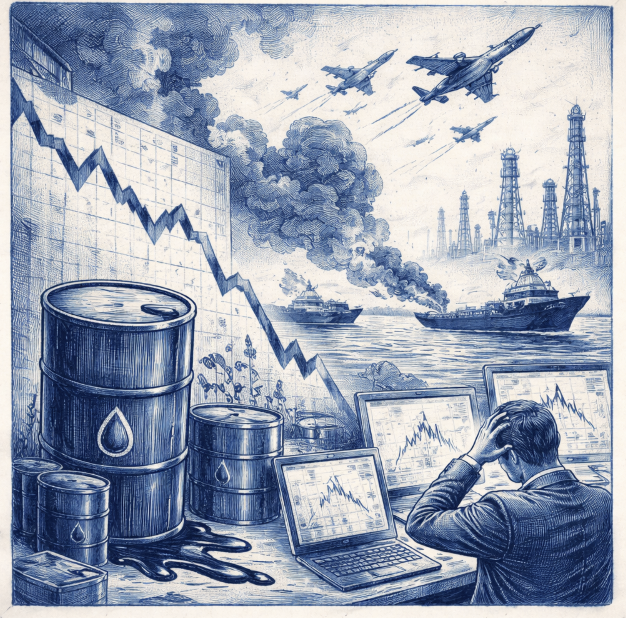 Oil Shock Sends Markets Reeling
|
Good Morning, Markets opened the week on edge as escalating strikes involving Iran sent oil prices sharply higher and pulled global stocks lower. Investors are shifting from earnings and AI momentum to energy risk and inflation concerns. We break down what sparked the move, why oil matters far beyond the pump, and how this conflict could ripple through stocks, bonds, and rate expectations. If you’re indexed to the S&P or exposed to fuel-heavy sectors, this is the one to read.Blue Owl’s redemption freeze rattles private credit confidence, Chicago’s record hotel tax threatens downtown investor returns, and a surge in evergreen funds signals growing appetite for flexible private capital. Don't forget to voice your opinion in my polls below. Here are your Morning Bullets. – Truly yours, Fred Frost |
📉 Yesterday's Market RecapYesterday’s markets were a battlefield as news of U.S.-Israeli military action against Iran broke. Equities took a nosedive, energy soared, and investors scrambled for cover. Here’s what moved the needle before the weekend.
|
📉 Daily Performance Snapshot
|
🔭 What to Watch TodayToday’s calendar is dominated by geopolitical fallout and market reactions. Keep your eyes on these key developments that could sway your investments. |
💡 Opportunity WatchAmid the chaos, there are always pockets of potential. Here are a few areas where smart investors might find upside if they can stomach the volatility.
|
|
The Big BulletOil Surges and Global Stocks Fall as Iran Conflict IntensifiesWhat happened: Oil prices jumped sharply after major strikes in Iran raised fears of wider disruption in the Middle East. Reports said oil prices surged after strikes killed Iran’s supreme leader and tankers were hit near the Strait of Hormuz. The Strait is one of the world’s most important shipping lanes for crude oil. When traders worry that supply could be blocked, prices tend to rise fast. At the same time, stock markets pulled back as investors reduced risk. Live market coverage showed the FTSE 100 falling as airlines and banks led declines in reaction to the Iran war news. Energy stocks were firmer, but most sectors moved lower. The mood shifted from growth and earnings to safety and defense. Markets are now trading on headlines rather than economic data. Why it matters: Oil is a core input for transport, shipping, and manufacturing. When prices spike, costs rise for airlines, trucking firms, and consumers. That can squeeze profit margins and keep inflation elevated. European trading reflected this shift, with European markets sliding as the Iran “war trade” spread across exchanges. Higher fuel prices can also complicate decisions for central banks that are watching inflation closely. If oil remains elevated, rate cuts could become harder to justify. Investors also tend to rotate into defensive sectors such as utilities or energy producers during geopolitical shocks. Ongoing developments, including military updates and reports of fresh air assaults in the region, add uncertainty to already fragile markets. In short, conflict risk feeds directly into both prices and policy expectations. What’s next: Investors will closely watch whether shipping routes near the Strait of Hormuz remain open and secure. Any sign of blocked tankers or damaged infrastructure could push oil even higher. Governments may respond with diplomatic moves, sanctions, or military support, which would shape market direction. Traders will also monitor futures markets for signs that volatility is spreading beyond energy. If stock declines deepen, pension funds and large institutions may rebalance portfolios. Corporate guidance could shift as companies assess higher fuel and transport costs. Bond markets will be another signal, as investors often move toward perceived safety during crises. For now, markets remain headline-driven, and each new development has the potential to reset expectations quickly. |
Reader Feedback
Last time, I asked you: The 10-year Treasury yield just fell below 4%. What do you think it means?
The majority of you at 45% said "It’s just short-term market noise"
Amber from Nevada replied: “I think it doesn’t mean much and is just short-term market noise.”
Here's what I'm asking you today:
As always if your opinion is not here, or you want to throw your two cents at me, reply to the E-mail, and let me know your exact thoughts.
🧭 Policy & Market Ripples
|
📜 This Day in History – March 2March 2 is a tour through institutional engineering — the tools we use to measure, govern, record, and communicate. Each milestone quietly added new structure to the way information and power move through society.
|

Today's Trivia
81% of you chose the right answer to our previous trivia question: Which of the following would most likely increase inflation in the short term?
|
