| Not a fan of Fred? Unsubscribe here. |

Trump’s Fed Comments Renew Focus on Central Bank Independence
What Political Pressure on the Fed Could Mean for Markets
December 15, 2025
|
| MorningBullets is the fastest way to catch up on the market and political news that matter most to your money. Quick takes, sharp insight, and curated opportunities—served fresh every weekday morning. |
Sponsored Content
This Report Covers 3 Stocks Most Investors Are Missing
Street Ideas is tracking 3 tickers tied to breakout tech, defense, and energy trends.
By clicking this link you will automatically be subscribed to the Street Ideas Newsletter. |
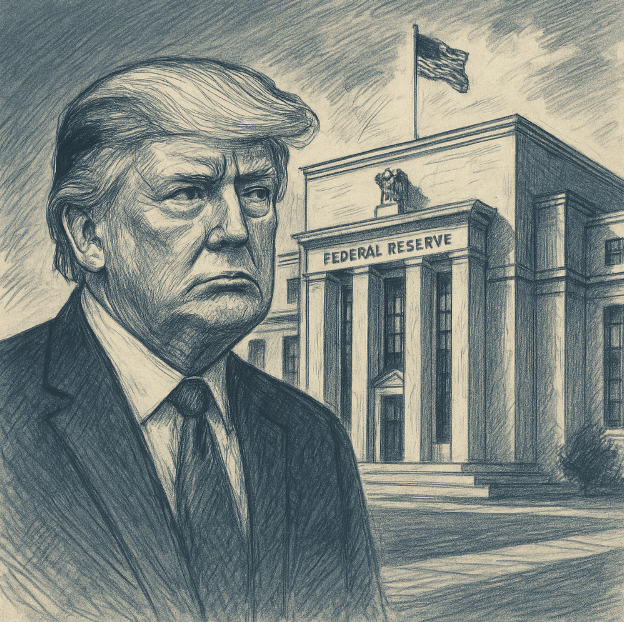 Debate over Federal Reserve independence draws renewed focus from investors.
|
Good Morning, Markets are brushing up against fresh highs, but attention is shifting to a quieter risk beneath the surface: who really steers interest-rate policy. Comments tied to the Federal Reserve have put its independence back in focus, raising questions about how future rate decisions could be shaped. We break down what was said, why it matters for stocks and bonds, and what investors should watch as economic data and policy signals collide.A controversial $100,000 H-1B visa fee triggers lawsuits from 20 states amid fears of tech sector disruption, AI firm Coreweave struggles with mounting debt and competition as its stock plummets, and China’s push for soybean self-sufficiency may reshape global ag markets, benefiting biotech and farm equipment stocks. Don't forget to voice your opinion in my polls below. Here are your Morning Bullets. – Truly yours, Fred Frost |
📉 Yesterday's Market RecapYesterday, Wall Street stumbled with its worst day in three weeks, as tech stocks dragged indices down amid broader economic jitters. The S&P 500 dropped 1.1%, Nasdaq slid 1.7%, and the Dow shed 0.5%. Tariff fears and weak global data didn’t help, but let’s unpack the key movers.
|
📉 Daily Performance Snapshot
|
🔭 What to Watch TodayToday’s calendar is packed with events that could sway markets. From delayed economic data to earnings reports, here’s what smart investors should keep an eye on before making their next move. |
💡 Opportunity WatchEven in choppy waters, there are pockets of potential. Here are three areas where recent trends and data point to actionable opportunities for the discerning investor.
|
|
Sponsored Content
3 Quiet AI Stocks the Media’s MissingSkip the crowded chip trade. Our note profiles three infrastructure leaders—connectivity, interface, and data—with accelerating adoption and room to rerate. 📥 Send Me the 3 TickersBy clicking this link you agree to receive emails from us and our affiliates. You can opt out at any time. – Privacy Policy |
🔥 The Big BulletTrump-Fed comments put central bank independence back in focusWhat happened: President Donald Trump said he “certainly should have a role” in Federal Reserve policy, arguing that his voice should be heard on decisions like interest rates. A key name floated for Fed chair, Kevin Hassett, responded by saying the president’s views can be shared, but the Fed should still rely on data and process, as described in Fortune’s report on the Fed independence debate. Hassett also suggested a chair could pass along the president’s opinion while keeping the final decision with the Fed’s voting officials. The news landed as investors are already watching how policy might shift in the next year. The Fed has a history of trying to stay separate from day-to-day politics to keep inflation and jobs decisions steady. When that separation is questioned, markets often pay closer attention to Fed messaging. This story is less about one rate move today and more about who influences future rate calls. It also raises fresh questions about how the next Fed chair would handle pressure from the White House. Why it matters: Interest-rate expectations affect stock prices, bond yields, mortgage rates, and the U.S. dollar, so any hint of political influence can move markets fast. If traders think the Fed could be pushed toward easier policy, they may price in lower rates sooner, even before inflation cools. If traders think the Fed will fight back hard to prove independence, they may price in tighter policy for longer. Either way, uncertainty can raise market swings, especially in rate-sensitive areas like real estate, bank stocks, and high-growth tech. The Fed’s credibility matters because people and businesses set prices and wages partly based on what they believe the Fed will do next. If credibility drops, inflation can become harder to control without bigger rate changes. That is why Hassett’s comments that the Fed could still reject the president’s views,, drew attention. For everyday investors, the key point is not politics—it is whether rate policy looks steady and predictable. Stable policy usually supports calmer markets and clearer planning for savings, loans, and retirement portfolios. What’s next: Watch for any official announcements about who will be nominated or favored for the next Fed chair role. Pay attention to how current Fed leaders talk about independence in speeches, meeting notes, and press conferences. Markets will also track upcoming U.S. economic releases that shape rate decisions, like inflation, jobs, and consumer spending. Early-week trading often reacts to these reports, and futures can shift quickly ahead of them.. If the data runs hot, rate-cut hopes can fade, and that can pressure stocks and lift bond yields. If the data cools, rate-cut hopes can grow, and that can support stocks and lower yields. Also watch whether politicians push for public comments on rates, because that can amplify headlines and volatility. Finally, keep an eye on bond market moves, since yields often react first when investors rethink the Fed’s path.
|
Reader Feedback
Last week, I asked you: Who do you think is most responsible for weaker EV sales right now?
The majority of you at 61% said "The end of government tax credits”
Mark from Wisconsin replied: "I think EV sales are weaker because the government tax credits ended and cars cost more for buyers now."
Here's what I'm asking you today:
As always if your opinion is not here, or you want to throw your two cents at me, reply to the E-mail, and let me know your exact thoughts.
🧭 Policy & Market Ripples
|
|
Sponsored Content
Free Brief: 5 Stocks for the AI Infrastructure CycleMarkets are at highs, and policy is picking lanes. Discover five companies positioned for the administration’s $500B AI buildout.
By clicking the link above you agree to receive periodic updates from our sponsor. |
📜 This Day in History – December 15December 15 has a constitutional backbone and a systems-builder’s mindset — the kind of date where rules, rails, and research quietly locked in long-term advantages.
|

Today's Trivia
Last week, 81% of you chose the right answer to the trivia question: What you give up when choosing one option over another
|
