| Not a fan of Fred? Unsubscribe here. |

AI Stocks Split as Investors Favor Profits Over Promises
Market Pullback Exposes Divide Between AI Winners and Losers
February 17, 2026
|
| MorningBullets is the fastest way to catch up on the market and political news that matter most to your money. Quick takes, sharp insight, and curated opportunities—served fresh every weekday morning. |
|
Sponsored Content
The Next Crypto Cycle Is Already StartingETFs, corporate treasuries, and regulation are aligning. Our concise guide, Top 5 Digital Assets Set to Surge Through 2026, outlines where we think early opportunity sits, and how to act before the crowd.
📥 Access Your Free Report
By following the links above, you’re opting in to receive valuable updates from Wealthiest Investor News plus 2 bonus subscriptions. Your privacy is important to us. You can unsubscribe anytime. See our privacy policy for details. Privacy Policy |
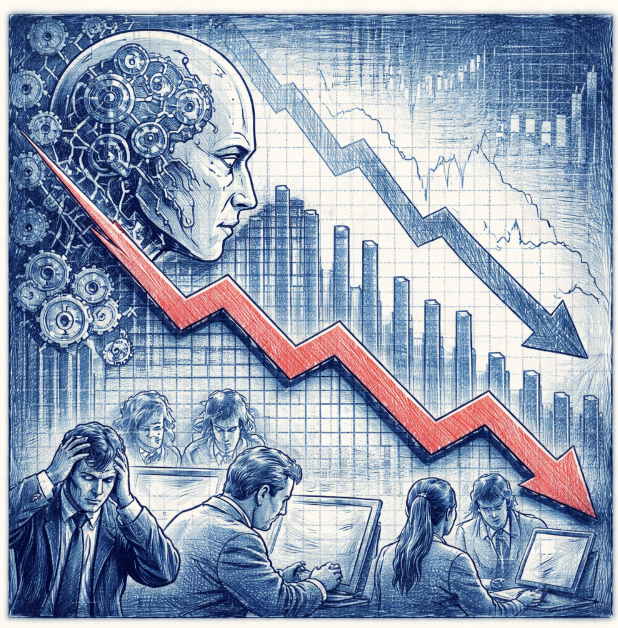 AI Stocks Face a Reality Check
|
Good Morning, The AI trade is starting to crack. Investors are rotating away from weaker, hype driven names and rewarding companies that can show real earnings and steady demand. We break down what’s driving the split, why it matters for tech heavy portfolios, and where rising Treasury yields could still pressure valuations. If you’re indexed to the S&P or concentrated in AI leaders, this is the setup to watch.Costco challenges Trump-era tariffs amid rising inflation data, California drivers face a sharp gas price spike from refinery shutdowns, and Wendy’s plans hundreds of store closures after a steep same-store sales drop. Don't forget to voice your opinion in my polls below. Here are your Morning Bullets. – Truly yours, Fred Frost |
📉 Yesterday's Market RecapFriday’s market action was a mixed bag, with holiday-thinned trading amplifying volatility. Silver stumbled while broader indices held steady ahead of the Presidents Day break. Key stories below paint the picture of a market wrestling with dollar strength and supply shocks.
|
📉 Daily Performance Snapshot
|
🔭 What to Watch TodayToday’s calendar isn’t packed, but key developments could sway markets. Keep an eye on geopolitical moves and corporate updates for potential ripples. |
💡 Opportunity WatchAmid market uncertainty, a few sectors and companies are flashing potential. Here are three areas where smart money might find an edge today.
|
Sponsored Content
See What’s Moving — Before Wall Street DoesOur latest free report highlights stocks building momentum now — before they spike. Names like $SOUN, $LLAP, and $JOBY showed the same patterns we track. This is your shot to act before the next big mover. Free access ends soon. 📥 Claim the Free ReportBy clicking this link you will automatically be subscribed to the Fierce Investor Newsletter. |
The Big BulletAI “loser” stocks slide as investors favor proven results over big promisesWhat happened: A fresh wave of selling hit smaller and weaker-performing AI stocks. Investors were reminded that the selloff in “AI losers” has roots going back to 2022, when money started moving toward safer choices. Some AI firms had climbed fast on hope, even before their sales and profits could catch up. As markets turned more careful, those high-hype names became easier to dump. The move looked less like a single-day shock and more like a continued shift in mood. Traders also seemed to separate “AI talk” from “AI earnings.” Companies with shaky balance sheets or unclear plans took the biggest hits. The result was a wider gap between AI winners and AI strugglers. In short, the market treated AI like a business cycle, not a magic story. Why it matters: This kind of split market can change where new investment money goes next. When investors pull back from risky AI names, it can lower prices across the whole “growth” corner of the market. At the same time, it can push more cash toward bigger firms that already have customers, cash flow, and scale. New product news can also move prices quickly, especially when it points to real demand. That is why people are watching possible winners from Chinese New Year AI launches for clues on what users actually want. If demand is real, strong companies can keep gaining even while weaker names fall. If demand is weak, the selling can spread and last longer. For everyday investors, this is a reminder that “AI” is not one trade—it is many different businesses. The market is starting to price that difference in a stricter way. What’s next: Watch for new updates that show who is building AI tools people pay for, and who is just talking. Hardware and infrastructure names may get extra attention if buyers expect steady spending on chips, servers, and data centers. A useful guidepost will be which hardware stocks look best positioned for AI, since that can shape where money rotates next. Also watch whether big-tech leaders keep drawing buyers as a “safer AI” choice. One signal of that trend is Bill Ackman buying shares of Meta Platforms, which can influence how other investors think about large-cap value. In the near term, sharp moves can come from earnings reports, guidance, and any surprise changes in spending plans. If companies say they are cutting AI budgets, markets may react fast. If companies say demand is growing, investors may reward the stronger names and keep punishing the weak ones. Either way, expect more “separating” inside the AI space instead of one big wave up or down.
|
Reader Feedback
Last time, I asked you: Which do you think is more likely to happen next?
The majority of you at 37% said "AI will replace a lot of office jobs”
Marcus from Oklahoma replied: “I think AI will replace a lot of office jobs because computers can now do many tasks people used to do.”
Here's what I'm asking you today:
As always if your opinion is not here, or you want to throw your two cents at me, reply to the E-mail, and let me know your exact thoughts.
🧭 Policy & Market Ripples
|
📜 This Day in History – February 17February 17 is a blueprint for how creative work becomes industry: patents formalize invention, new media formats scale, public institutions commit to knowledge, and city infrastructure quietly reinvents daily life.
|

Today's Trivia
89% of you chose the right answer to our previous trivia question: Which of the following is an example of a variable expense?
|
