Today’s Sponsor
ActivaTrade Daily is giving away their Top 6 AI Stocks report — free. Inside: six companies positioned to ride the next wave of artificial intelligence growth, hand-picked as ideas for your watchlist.
Claim your free report now and you'll also unlock their daily newsletter packed with market updates, business news, and fresh investment ideas — delivered straight to your inbox.
Download Your Free AI Stocks ReportBy clicking, you agree to join the ActivaTrade Daily newsletter and receive business news, market updates, free investment reports, and partner promotions. You can unsubscribe at any time. View ActivaTrade's privacy policy.

Politics moved the goalposts again. Markets will price it faster than Washington can spin it.
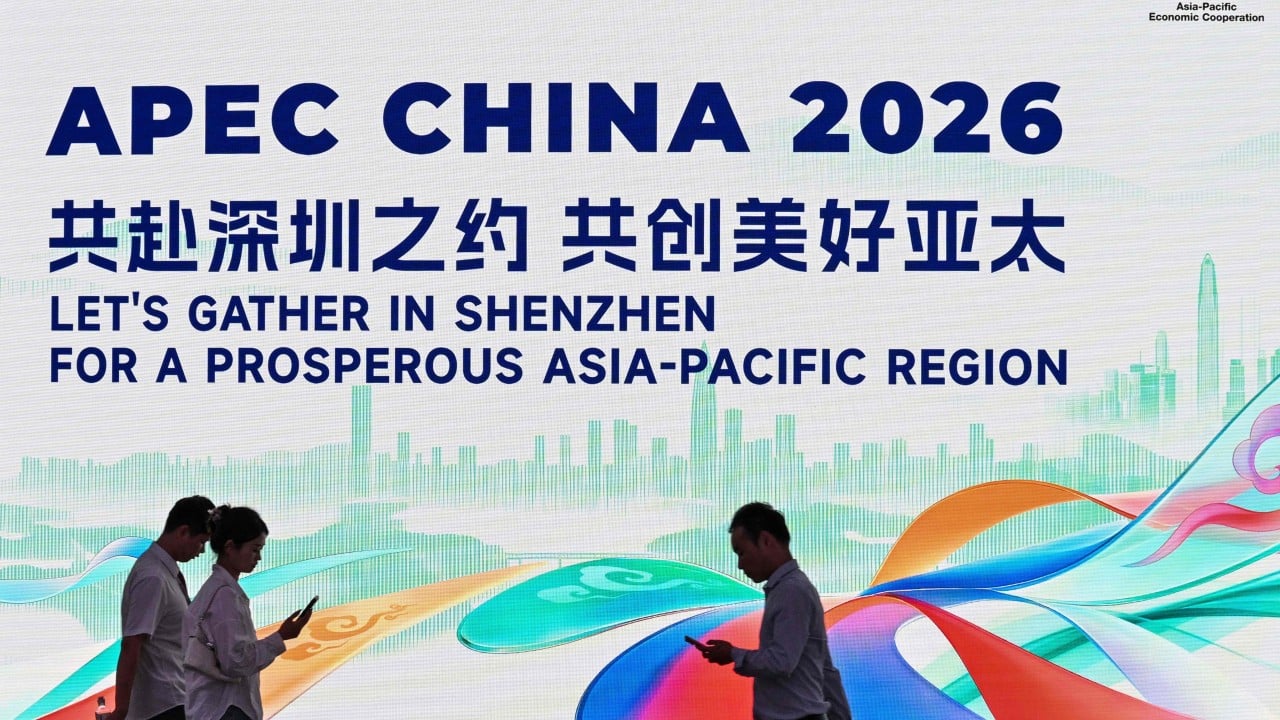
Image via South China Morning Post
Xi-Trump at Apec: Handshake Now, Hard Stuff Later
Xi and Trump are set to talk again at next week’s Apec summit. Expectations are low for actual deliverables. Think optics, not outcomes.
That matters because markets are still trading the idea that a single meeting can de-risk the whole US-China complex. It can’t. The big items are the same ones: tech export controls, tariffs, supply-chain rules, and how both sides define “national security.” Observers are pointing to the G20 as the venue where anything concrete might land, if it lands at all.
In the meantime, companies and investors stay in limbo. Capex decisions don’t wait for communiques, but they do get discounted when policy risk is this high. That shows up in semis, industrials with China exposure, and anything priced off “global reflation is back.”
📈 Fred's Take: This is volatility management, not diplomacy. If you’re long the “grand bargain” trade, you’re early and you’re underpaid. Base case: no tariff rollback, no chip détente, just a lower temperature headline that briefly lifts risk. Treat any Apec relief rally in China-sensitive US names as a chance to trim, not chase.
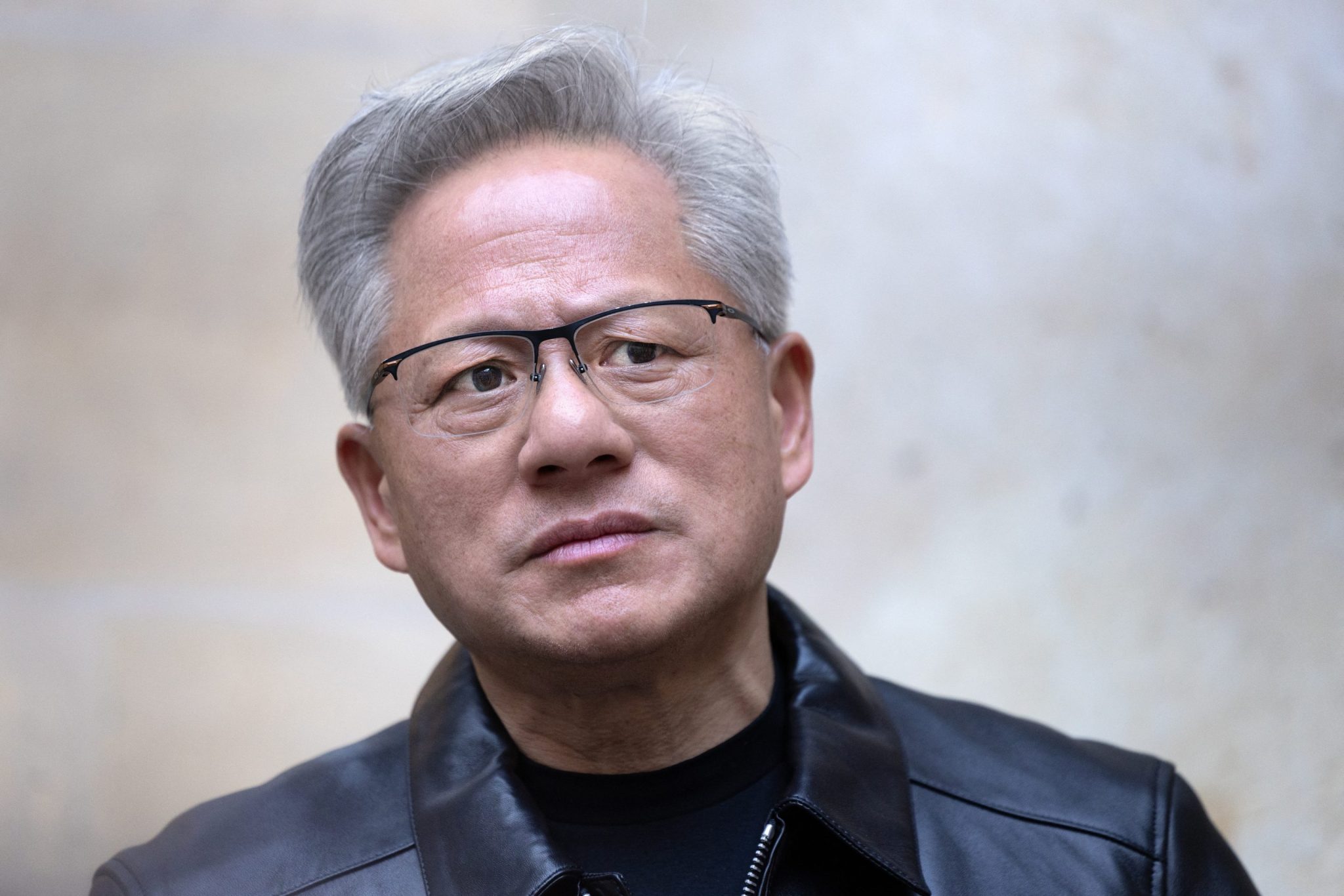
Image via Fortune
Jensen Huang Is Now a Single Point of Failure for the AI Trade
Fortune frames it bluntly: the AI boom’s key man is now a problem. The report says news of Huang’s affair hit over the weekend and the market reacted hard on Monday.
This isn’t about moralizing. It’s about key-man risk in the most crowded, most expensive narrative in public markets. When one executive is the human API for your entire capex cycle, your multiple is built on personal credibility, partner trust, and an assumption of uninterrupted execution. Damage any of those, and the discount rate goes up immediately.
The private-market ecosystem is also tethered to Nvidia’s roadmap, allocations, partnerships, and the “who gets compute” pecking order. If counterparties sense instability, they diversify procurement, stretch timelines, and reduce platform risk. That bleeds into hyperscalers, AI software, and the next wave of IPO hopefuls that need the story to stay clean.
📈 Fred's Take: The AI trade just got a governance premium slapped on top of an already heroic valuation stack. This is where you separate Nvidia-the-company from AI-the-theme: the theme survives, but the market stops paying infinity for the bellwether. Expect rotation inside semis and AI infrastructure toward “less drama, more redundancy,” and keep tight risk controls because headline gaps don’t respect your stop-loss.
📎 Fortune

Image via NBC News
Hegseth Impeachment Noise: Markets Hear ‘Gridlock,’ Not ‘Crisis’
Defense Secretary Pete Hegseth called an impeachment push a “farce,” framing it as political theater from an outgoing Republican congressman. The story is Washington-on-Washington: accusations, counterpunches, cameras.
For markets, the key question is whether this becomes a functional problem: procurement delays, budget negotiations turning uglier, or leadership distraction at the Pentagon. Most impeachment talk ends as noise, but the process itself can jam the calendar. When Congress is burning daylight on spectacle, the probability of messy continuing resolutions goes up.
Defense stocks typically trade through this unless you get a genuine funding interruption or a sudden shift in strategic posture. The bigger macro tell is what it implies about institutional capacity: if governance gets more brittle, term premia can rise and long-end yields stay sticky.
📈 Fred's Take: This is headline risk, not a regime change. Defense primes won’t re-rate on cable news, but the bond market will quietly punish more dysfunction with higher risk compensation. If you’re positioning, think “more gridlock equals fewer clean budgets,” which favors quality balance sheets and contractors with multi-year visibility over the narrative names that need fresh awards.
📎 NBC News
EU Goes to COP With the Right Wing at Its Throat
Bloomberg notes the EU heads to COP31 in Turkey with its green agenda under pressure from the right. The politics are tightening as cost-of-living fatigue meets energy security concerns.
This is the pivot point for European policy credibility. If the EU softens timelines, loosens enforcement, or shifts subsidies toward “competitiveness first,” you’ll see immediate second-order effects: carbon price expectations, utility capex plans, and industrial relocation math. If it doubles down, you get political backlash risk and policy whiplash risk. Either way, uncertainty rises.
Markets care because Europe’s green framework is effectively an industrial policy map. It allocates winners and losers: renewables supply chains, grid buildout, EV infrastructure, steel/cement decarbonization, and gas as the bridge fuel that never stops being politically radioactive.
📈 Fred's Take: Europe is about to reprice “green certainty” into “green negotiation.” That’s bearish for long-duration, subsidy-dependent clean-tech and bullish for pragmatic energy security plays: grids, nuclear-adjacent suppliers, and selective natural gas infrastructure where permitted. In Europe, the trade isn’t green versus brown anymore; it’s predictable policy versus political churn, and churn raises required returns.

Image via Fox Business
Adobe and Google Link Arms: AI Moves From Wow Demos to Distribution
Adobe and Google are broadening their AI partnership across creative and workplace apps. Adobe Acrobat is coming deeper into Google Drive and Gmail, while Google’s DeepMind models will power new capabilities across Photoshop, Firefly, and Premiere.
Translation: distribution wins. The AI feature race is shifting from “who has the slickest model” to “who can embed it where work actually happens.” Adobe gets reach and workflow adjacency. Google gets higher-value use cases inside the creative suite where users will pay, not just click.
For investors, this is a reminder that the next leg of AI monetization is not only chips and data centers. It’s software bundling, seat expansion, and upsell economics. Partnerships like this are the anti-startup: incumbents with installed bases turning AI into price discrimination.
📈 Fred's Take: This is the grown-up phase of AI: less science project, more checkout lane. Adobe benefits if it can convert AI features into higher ARPU without spiking churn, and Google benefits by making Workspace stickier with creative-grade tooling. The market should reward distribution moats here, but don’t overpay for “AI attach rate” until you see renewal data and margin discipline.
That’s the tape. Trade the incentives, not the speeches. — Fred Frost, Morning Bullets
— Fred Frost

