Today’s Sponsor
Before a ticker heats up, there's a brief window — a signal phase — that shows up quietly. No alerts. No buzz. Just a subtle shift for those watching the right tells. Most people wait for confirmation, but by then the early edge is already gone.
Our FREE Market Signal Brief is built to identify these quiet setups before they turn into noisy moves. Get the fast-read breakdown that spots momentum shifts before the news cycle catches on.
Get the Free Signal Brief*We encourage readers to perform their own research and due diligence on any information we provide. By clicking the link you will automatically be subscribed to the Daily Edge Report Newsletter.

AI wants plumbing, oil wants peace, space wants redundancy, DOJ wants loyalty, and the Senate wants a spending sugar high. Here’s what moves money before the bell.

Image via Bloomberg
SAP’s COO: AI Is a Mansion Built on Rotten Plumbing
SAP’s Sebastian Steinhaeuser is saying the quiet part out loud: this AI wave is the biggest tech shift yet, but it only works if the foundations are right. That’s code for data hygiene, governance, integration, security, and enterprise workflows that don’t look like spaghetti.
The market keeps pricing "AI" as an app-layer miracle. Enterprises are discovering it’s an infrastructure project with a consulting bill. The winners won’t be whoever demos the flashiest model — it’ll be whoever controls clean data flows, identity, permissions, audit trails, and the system-of-record plumbing that keeps regulators and risk committees calm.
Watch where budgets go: less "moonshot chatbot" and more stack rewiring — ERP modernization, data platforms, and controls. That’s slower gratification, but it’s stickier revenue and better margins for the vendors who already live inside the enterprise.
📈 Fred's Take: This is bullish for the boring incumbents with distribution and workflows — and it’s a reality check for pure-play "AI wrapper" valuations. The next leg of the AI trade is not vibes; it’s capex + integration + compliance. If you want durability, own the plumbers, not the paint.
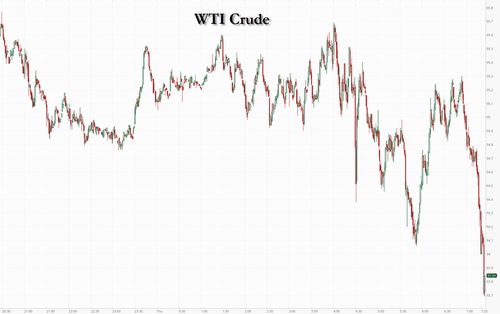
Image via ZeroHedge
Oil Drops: White House Signals Iran Ceasefire Holds Unless U.S. Troops Die
Crude is slipping after the White House signaled it will maintain a ceasefire posture with Iran barring American troop fatalities. Translation: de-escalation is the base case, and the bar for retaliation is publicly defined.
Markets trade ranges, not slogans. By setting a conditional red line, the administration is trying to cap the geopolitical risk premium that’s been embedded in front-month crude and options skew. If you’re running a refinery, an airline, or a consumer discretionary book, that’s exactly what you wanted to hear.
But don’t confuse “ceasefire maintained” with “risk removed.” Shipping lanes, proxy actions, and miscalculation risk don’t disappear — they just get repriced until the next headline. Volatility sellers will get paid right up until they don’t.
📈 Fred's Take: Near-term: bearish crude, supportive for equities that hate energy spikes, and a small tailwind for disinflation prints. Medium-term: don’t chase the downside in oil without a plan — one drone video can re-widen the risk premium in minutes. If you’re hedging, keep some convexity; if you’re speculating, size like you’re wrong.
Image via TheStreet
Blue Origin Explosion: SpaceX Just Won Another Lap
Blue Origin’s explosion is more than an embarrassing clip — it’s a capacity shock to the only credible near-peer narrative in U.S. launch. Space is a scale business: cadence, reliability, and learning curves. An explosion sets you back in all three.
SpaceX doesn’t just launch rockets; it sells certainty. When a competitor loses time, insurers get stricter, customers get nervous, and government buyers lean even harder into the provider that can deliver on schedule. The immediate result is pricing power and backlog gravity for the leader.
Second-order effect: the "space supply chain" trade gets more lopsided. If one prime contractor dominates, suppliers become price-takers unless they’re mission-critical or uniquely qualified. Less competition at the top usually means tighter margins down the stack — unless demand is exploding fast enough to cover everyone.
📈 Fred's Take: This widens the moat. If you’re looking at space exposure, favor the ecosystem tied to the proven cadence, not the aspirational press release. Competition is healthy, but investors get paid on execution — and execution just moved further out for Blue Origin.
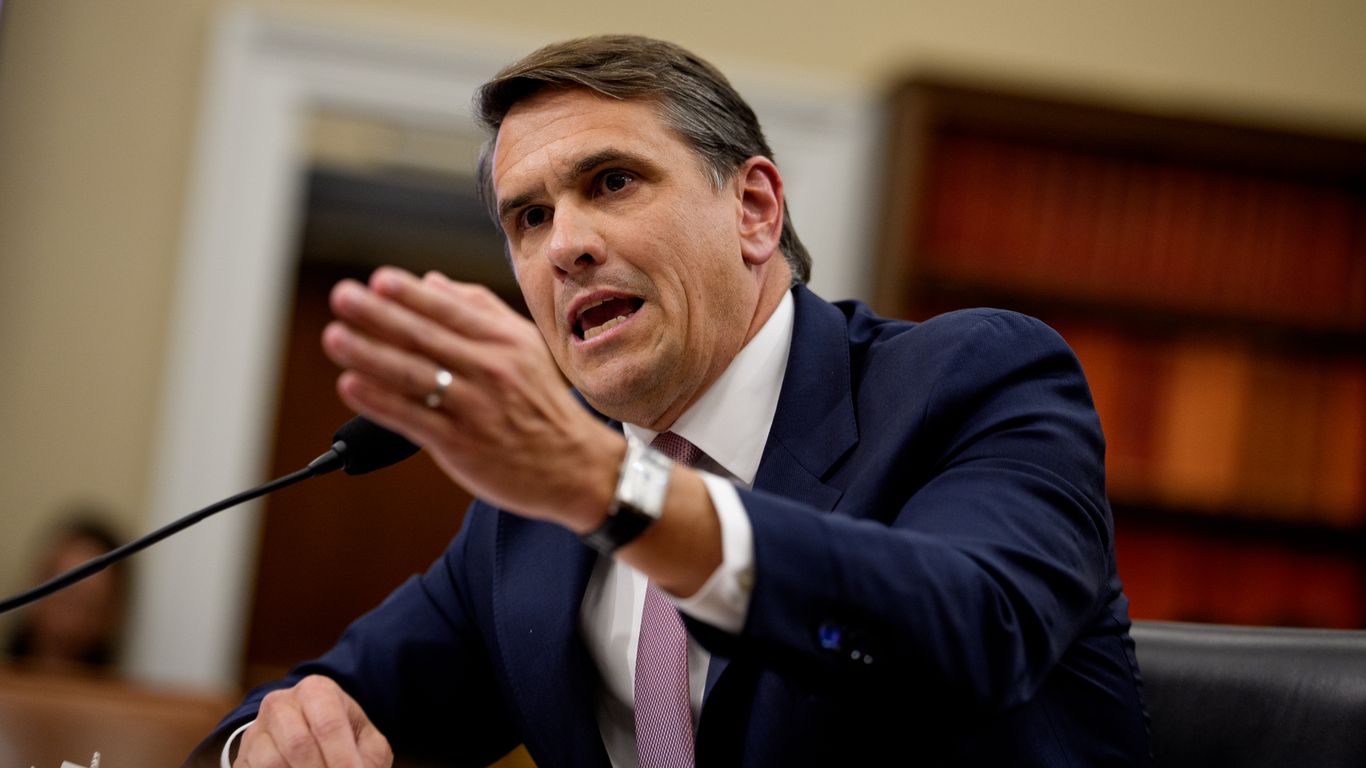
Image via Axios
Trump Moves to Make Todd Blanche AG: Markets Hear “DOJ as Policy Tool”
President Trump says he will nominate acting Attorney General Todd Blanche to run the Justice Department. If confirmed, it formalizes what investors have already been pricing in: a DOJ that is more aligned with the White House’s agenda and less interested in freelancing.
For markets, the channel isn’t ideology — it’s enforcement risk and regulatory temperature. A DOJ shift changes the expected value of investigations across tech, crypto, banking, defense contracting, and any sector living under consent decrees or long-running probes.
It also matters for dealmaking. Antitrust posture isn’t only FTC/DOJ staff — it’s the willingness at the top to litigate, settle, or slow-walk. If business reads this as a softer stance on corporate enforcement, M&A animal spirits pick up and legal overhang discounts shrink.
📈 Fred's Take: Net bullish for risk assets at the margin because uncertainty carries a premium, and this is a clarity move. But it also raises headline risk: if DOJ becomes a political battlefield, expect episodic volatility in names tied to investigations and counter-investigations. Trade it like policy risk, not like civics.
📎 Axios

Image via The Hill
Senate Vote-a-Rama + Trump Coal Boost: Stimulus Now, Inflation Later
The Senate is heading into reconciliation vote-a-rama as leadership pushes a package centered on funding immigration enforcement and related priorities. These marathons look like chaos, but the market only cares about the output: more spending, faster outlays, and the debt path.
At the same time, Trump is set to boost coal. That’s an energy policy signal aimed at reliability and domestic supply, but it re-opens the ESG and subsidy chessboard. Coal support can mean regulatory relief, procurement preference, and a friendlier permitting posture — and it can also mean renewed legal fights and state-level pushback.
Macro impact: fiscal impulse plus energy policy that leans “old economy” nudges expectations toward higher nominal growth with a messy inflation mix. That’s not automatically bearish for stocks — but it changes the winners: value, industrials, select energy, and defense of real purchasing power.
📈 Fred's Take: Reconciliation that expands spending is a rates story first. If you’re long long-duration growth, you’re renting the position from the bond market — and the bond market is getting less forgiving. Coal talk helps a narrow slice of producers and rail/logistics, but the real trade is higher term premium and a market that rewards cash flow over promises.
📎 The Hill
That’s the tape. Keep size tight, keep hedges honest, and don’t confuse headlines with trend.
— Fred Frost
