Today’s Sponsor
The Fed held rates, CPI came in at 2.4%, and analysts still expect 12.5% Q1 earnings growth — but estimates have already been cut across nine sectors and the S&P 500 is stretched above its 5- and 10-year average forward P/E. Trading earnings on headlines alone in this environment is a costly mistake.
The free Earnings Season eBook breaks down the exact pre-report checklist, how to weigh guidance and expectations, and how to read the first reaction after numbers hit — so you're never improvising after the move already started.
Get the Free Earnings PlaybookBy clicking the link above, you will receive this free report and a free subscription to the StockEarnings daily email newsletter. You are also agreeing to the terms of our Privacy Policy. Unsubscribe at any time.

Limited U.S. strikes near Hormuz, oil backing off, voters staring at prices, prediction markets getting cocky, and Beijing tightening the Russia link.
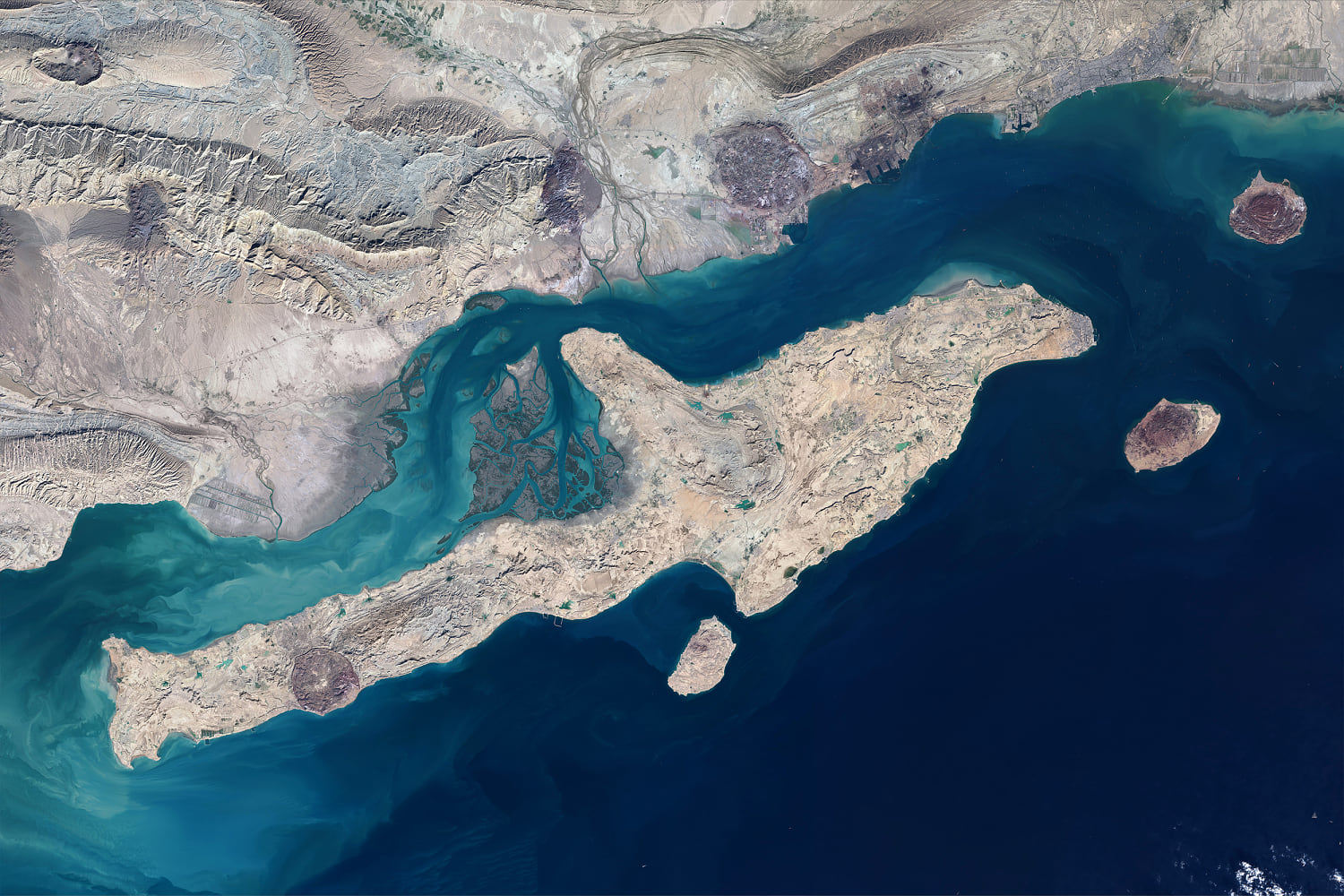
Image via NBC News
U.S. hits Qeshm Island: tight strike, big message
The U.S. carried out limited strikes on Iranian targets on Qeshm Island, sitting right on the throat of the Strait of Hormuz. The framing out of Washington is “defensive” and contained, not a broad escalation back into a full campaign.
Timing matters. This landed on the eve of midterm voting, which means the White House wants deterrence optics without a gasoline spike, a shipping panic, or a weeks-long news cycle that swamps domestic issues.
Markets read this as: the U.S. is willing to punch, but not commit. That reduces tail risk versus a wider war, yet keeps the risk premium alive because Hormuz is where mistakes turn into price shocks in hours, not weeks.
📈 Fred's Take: This is a volatility event, not a regime-change event. The trade is to respect headline risk without paying war-premium prices for everything: stay hedged with energy exposure, but don’t chase crude at the highs like it’s 2003. If this stays “limited,” risk assets breathe and implied vol comes in fast.
📎 NBC News
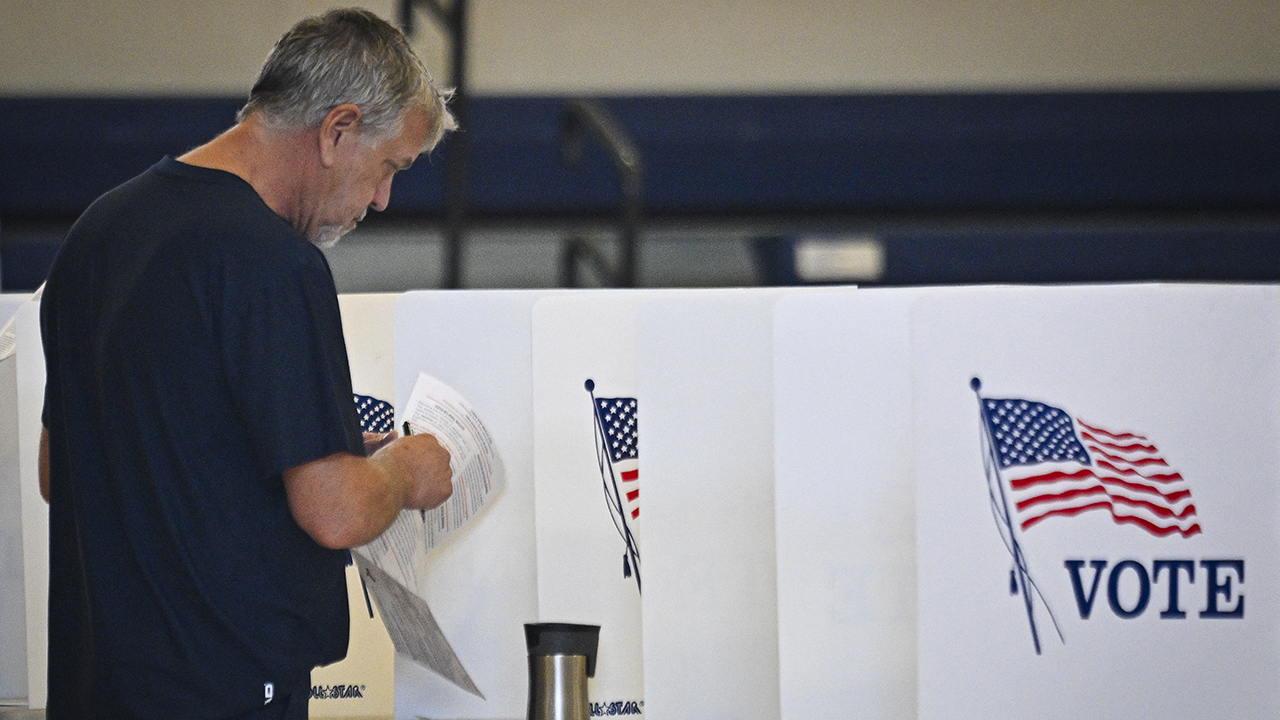
Image via Fox Business
Midterms are a cost-of-living referendum, not a civics class
Voters are walking into the booth with one macro variable on their mind: affordability. Gas, groceries, rent, insurance, the monthly burn rate. Fox Business points to the cost of living as the dominant concern, with gasoline and everyday goods at the center of the anger.
For markets, the important part isn’t the polling line-by-line. It’s the policy signal: whichever party wins tonight will claim a mandate to “fix prices,” and Washington’s favorite way to do that is fiscal gimmicks, energy messaging, and regulatory pressure.
Translation: the path of inflation expectations becomes more political, not less. And that changes how the Fed communicates, because the Fed hates nothing more than being drafted into campaign narratives.
📈 Fred's Take: Affordability politics usually means bad economics and noisy markets. If incumbents get punished, expect louder calls for price suppression and “windfall” theatrics that spook investment and tighten supply. If incumbents hold, expect more targeted fiscal tweaks that keep the deficit sticky and the long end uneasy.
Crude slips under $95: market betting on an off-ramp
U.S. crude fell back below $95 as traders leaned into the idea that the U.S. and Iran are signaling openness to a diplomatic resolution. After a strike headline, the market did what it always does when it senses a ceiling on escalation: it sells the panic premium.
This is the split screen you need today. Geopolitics says risk; the tape says probability-weighted outcomes. If the modal scenario shifts from “shipping disruption” to “managed containment,” crude gives back fast, and inflation breakevens cool with it.
Watch refined products and freight rates, not just WTI. If diesel cracks and shipping insurance don’t blow out, the market is telling you the supply chain isn’t bracing for a real choke-point event.
📈 Fred's Take: Below $95 is the market whispering “no sustained disruption.” If crude keeps fading while headlines stay hot, that’s a green light for equities to stabilize and for rate-cut fantasies to creep back in at the margin. But if Hormuz risk re-prices suddenly, it won’t warn you politely; keep energy hedges on, smaller size, tighter stops.
📎 CNBC
Image via MarketWatch
Prediction markets are overconfident — and overconfidence is tradable
MarketWatch flags something I see every election cycle: prediction markets can project a level of certainty that reality doesn’t owe them. The “good night for Democrats” pricing may be tighter than the underlying error bars justify.
This matters because prediction markets have become a real-time sentiment feed for traders. When the market prices an outcome as near-inevitable, the surprise move gets bigger, not smaller. The pain comes from positioning built on “certainty,” not from the result itself.
Into the close tonight, the market isn’t just trading winners and losers. It’s trading the gap between expectations and results: fiscal trajectory, regulatory path, defense spending, energy posture, and the odds of legislative gridlock.
📈 Fred's Take: If prediction markets are leaning hard one way, the clean trade is to price the opposite tail, not argue politics. Surprise gridlock is usually bullish for multiples; surprise policy power is usually bearish for the sectors in the crosshairs. Expect the biggest moves in rates and defense/energy names, not the broad index headline.
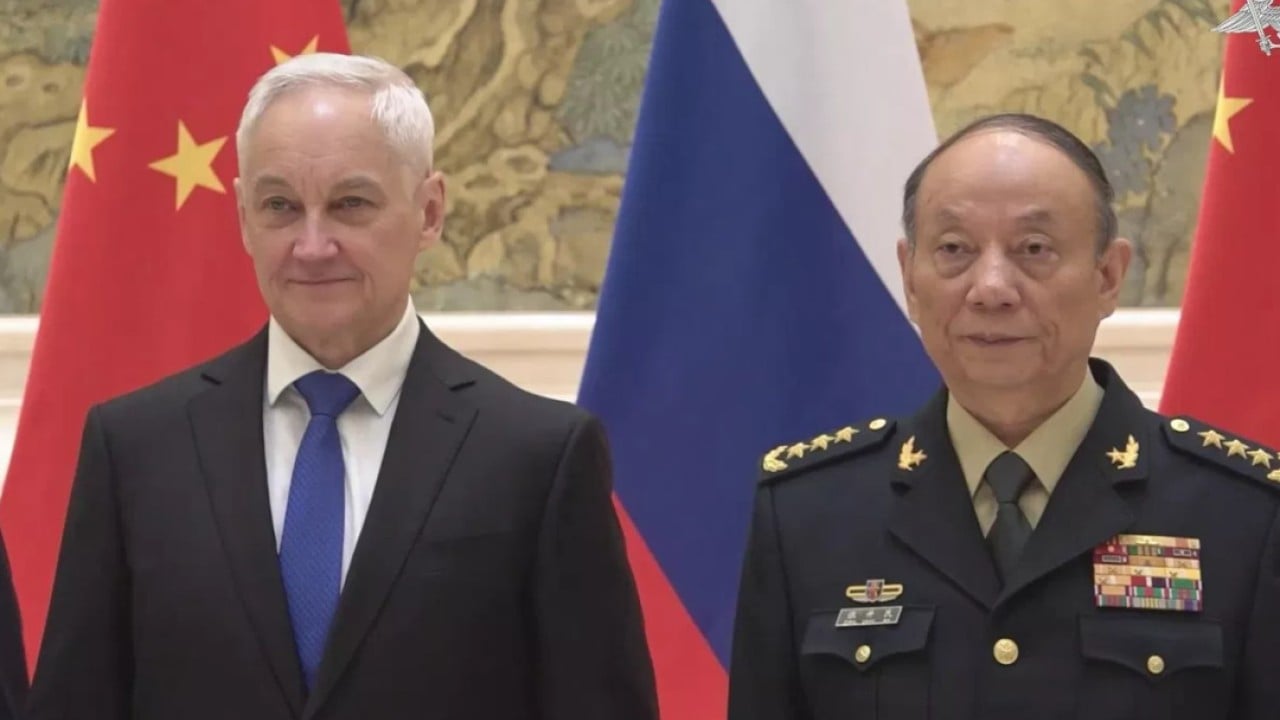
Image via South China Morning Post
Beijing elevates a general, then hosts Moscow: the axis hardens
Zhang Shengmin, now sitting at the very top of China’s uniformed leadership after a Politburo appointment, met Russia’s defense minister in Beijing. First publicly reported foreign meeting, and it’s with Moscow — not a coincidence, a signal.
This is the long-game geopolitical trade: China and Russia tightening military coordination while the U.S. is distracted by elections and the Middle East flare-up. Even if they never formalize an alliance, the market impact is the same: higher structural defense spend, higher supply-chain nationalism, and persistent sanctions risk.
The knock-on for investors is simple. More bifurcation means more duplication of capacity, less global efficiency, and a higher floor under inflation volatility — even when headline CPI prints look “fine.”
📈 Fred's Take: This is bearish for the fantasy of a smooth globalization rebound and bullish for defense, commodities security, and strategic industrial policy plays. The market will underprice this until the next flashpoint forces a repricing of supply chains and sanctions. Treat it as a slow-burn catalyst for higher term premium and a bid under real assets.
That’s the board. Trade the probabilities, hedge the tails, and don’t let election-night confidence turn into tomorrow-morning regret.
— Fred Frost

