Today’s Sponsor
Tax season quietly reshapes where capital flows — refunds hit accounts, portfolios get rebalanced, and positions get liquidated to cover obligations. That creates unusual early movement in small-cap stocks that has nothing to do with company fundamentals. Right now, certain names are already showing structural signals most investors will miss entirely.
We've put together a free Market Structure Guide breaking down how tax season shifts market activity, why some small-cap profiles move unexpectedly in March and April, and three companies already showing early breakout signals. The window to act before broader attention arrives is narrow — don't wait.
Get the Free Market Structure Guide*We encourage readers to perform their own research and due diligence on any information we provide. By clicking the link you will automatically be subscribed to the Fierce Investor Newsletter. Privacy Policy

A drone strike in Romanian airspace, South Africa impeachment risk, inflation-politics feedback, IRS notice tweaks, and TSA overhaul talk—five signals markets will price as volatility, risk premia, and policy uncertainty.
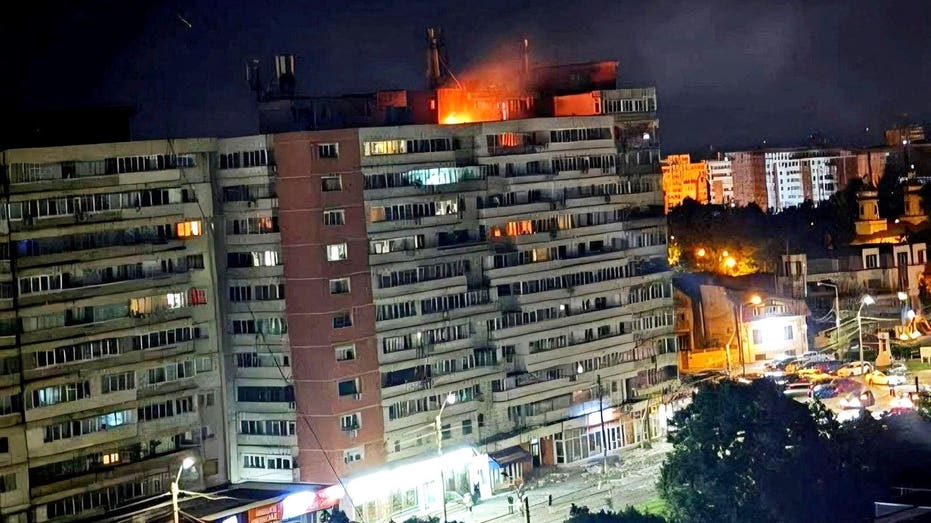
Image via Fox News
ROMANIA GETS HIT: NATO AIRSPACE JUST TURNED INTO A LIVE-FIRE ZONE
A drone entered Romanian airspace and struck an apartment building, triggering an explosion and fire and injuring multiple people, Romanian authorities said. This isn’t “spillover” anymore. It’s kinetic contact on NATO soil—accidental or not, the market trades the headline, not the intent.
The first-order risk is escalation math: more air defenses near borders, more shoot-downs, more “oops” incidents. That raises the tail risk premium across Europe—energy, credit, and FX—because investors don’t price “calm,” they price “what breaks next.”
📈 Fred's Take: This is bullish volatility and supportive for defense primes and energy risk premium. It’s also EUR-negative at the margin and keeps a bid under gold on days when missiles cross lines. If you’re long Europe cyclicals, you want hedges on—because the next headline could be worse.
📎 Fox News
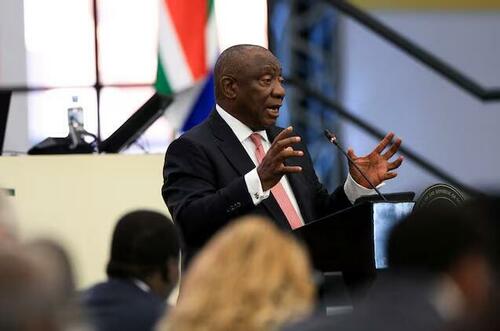
Image via ZeroHedge
SOUTH AFRICA’S “FARMGATE” IMPEACHMENT CLOCK STARTS—RISK PREMIUM BACK ON THE RAND
South Africa’s parliament scheduled the first meeting of an impeachment committee tied to the president’s “Farmgate” scandal. Markets don’t need a conviction; they just need uncertainty about who’s in charge of fiscal policy, policing, and the patronage machine.
The rand is a high-beta political instrument. Add governance stress and you invite capital flight, wider local yields, and more pressure on already-fragile growth. In EM, politics becomes rates fast—especially when the state’s credibility is the anchor.
📈 Fred's Take: Expect ZAR volatility to pick up and local bonds to demand a fatter spread until this is resolved. If you’re fishing in SA assets, keep position sizes small and hedge FX—because one bad committee headline can erase months of carry in an afternoon.
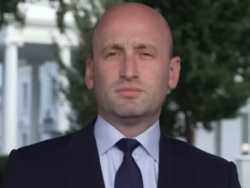
Image via RealClearMarkets
“INFLATION PARADISE” FOR TRUMP WORLD—THE MARKET HEARS: HOT CPI = HOT POLITICS
A RealClearMarkets piece frames worsening inflation as political opportunity for Trump-aligned messaging, citing Stephen Miller’s view that the environment favors them. Translation: inflation is no longer just macro—it’s the centerpiece campaign weapon again.
When inflation is the story, everything reprices around the Fed path, not earnings narratives. Sticky prices turn elections into referendums on cost of living, and that pushes candidates toward populist fixes—tariffs, industrial policy, price-point theatrics—that markets treat as margin- and multiple-negative.
📈 Fred's Take: If inflation keeps trending the wrong way, expect higher term premium and more policy volatility priced into 2027–2028 cash flows. That’s a headwind for long-duration tech and a tailwind for real assets, value cash-flow, and “pricing power” winners. Politics doesn’t cause CPI—but CPI absolutely changes policy risk.
IRS BACKS OFF? CP53E LETTERS MAY CHANGE AFTER BACKLASH—SMALL SIGNAL, BIG TRUST ISSUE
Kiplinger reports the IRS may change CP53E letters following taxpayer backlash. These notices—often tied to refunds and verification issues—have become another touchpoint where confusion turns into calls, delays, and voter anger.
This isn’t just customer service. Administrative friction is a hidden tax on households and small businesses, and it shapes political appetite for IRS funding, enforcement priorities, and future simplification efforts. That matters because tax administration affects cash flow timing—especially for lower-income filers and sole proprietors.
📈 Fred's Take: Don’t overtrade this, but don’t ignore it: smoother IRS processes reduce refund-delay noise and marginally support consumer sentiment at the edges. The bigger market implication is political—every IRS misstep feeds anti-institution energy, which raises the odds of disruptive tax-policy swings.
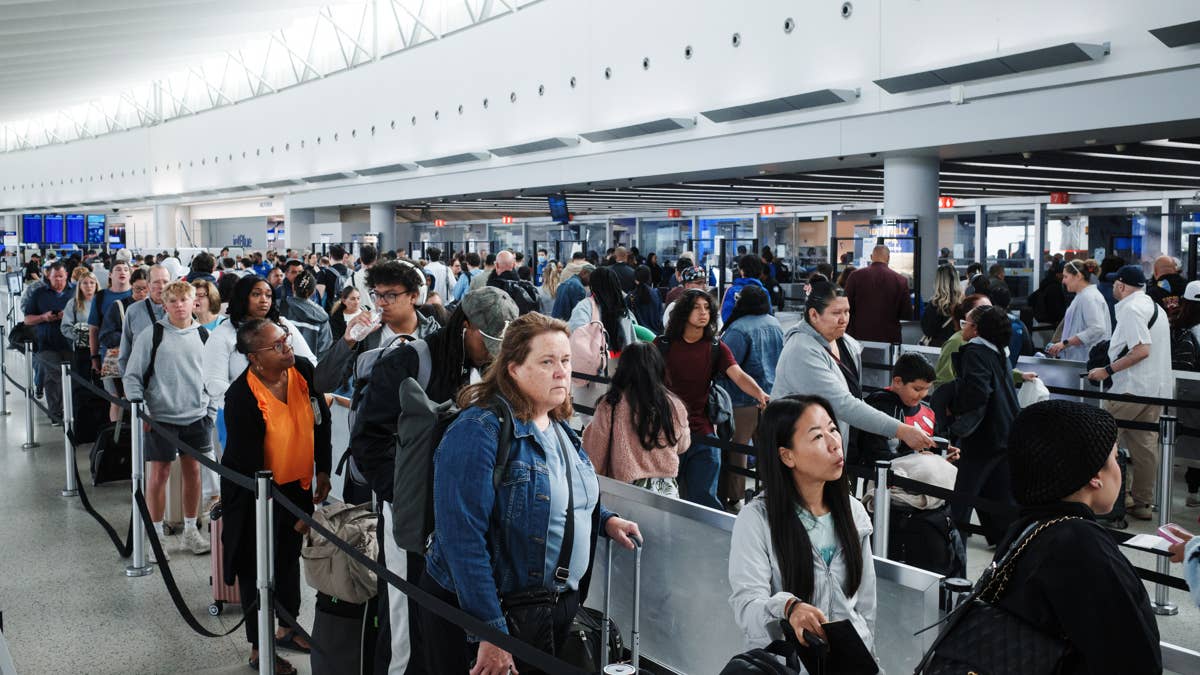
Image via TheStreet
TSA OVERHAUL TALK: PRIVATE SCREENERS BACK ON THE TABLE, AND THE AIRLINES ARE LISTENING
TheStreet reports the TSA is eyeing a major airport security overhaul, including expanded use of private security options instead of traditional TSA staffing models. After shutdown headaches and staffing disruptions, the pressure is on to make screening more resilient and less politically hostage.
If private screening scales, you’re looking at a procurement shift: tech upgrades, staffing contracts, lane automation, and new service-level metrics. Airports care about throughput; airlines care about on-time performance; travelers care about lines. The politics is “efficiency,” but the money is in contracts and hardware.
📈 Fred's Take: This is a stealth tailwind for security tech vendors and systems integrators, not the airlines. Airlines get indirect benefit if throughput improves, but they won’t capture the economics. Watch for winners in biometrics, scanners, queue management, and outsourced screening platforms—this is where the dollars will go.
Trade the tape, not the tantrums. Fred Frost out.
— Fred Frost
