Today’s Sponsor
Most people wait for headlines. By then, it's too late. Before a ticker heats up, there's a brief signal phase — a quiet shift that appears before the noise. No alerts. No buzz. Just an early tell for those who know where to look.
The FREE Market Signal Brief from the Daily Edge Report breaks down exactly how to spot these setups before they explode into the news cycle. Once the story hits — the early edge is already gone. Don't wait.
Download Your Free Signal Brief NowWe encourage readers to perform their own research and due diligence on any information we provide. By clicking the link above you will automatically be subscribed to the Daily Edge Report Newsletter. To view our privacy policy, visit lifewatermedia.com/privacy-policy.

Tuesday, July 28, 2026: Geopolitics is trying to reprice energy and defense. Europe is gearing up for a China fight that hits autos and industrials. Boeing reminds you why program risk matters. Washington is coming for any whiff of China in your driveway. Apple just turned the iPhone into a monthly payment.
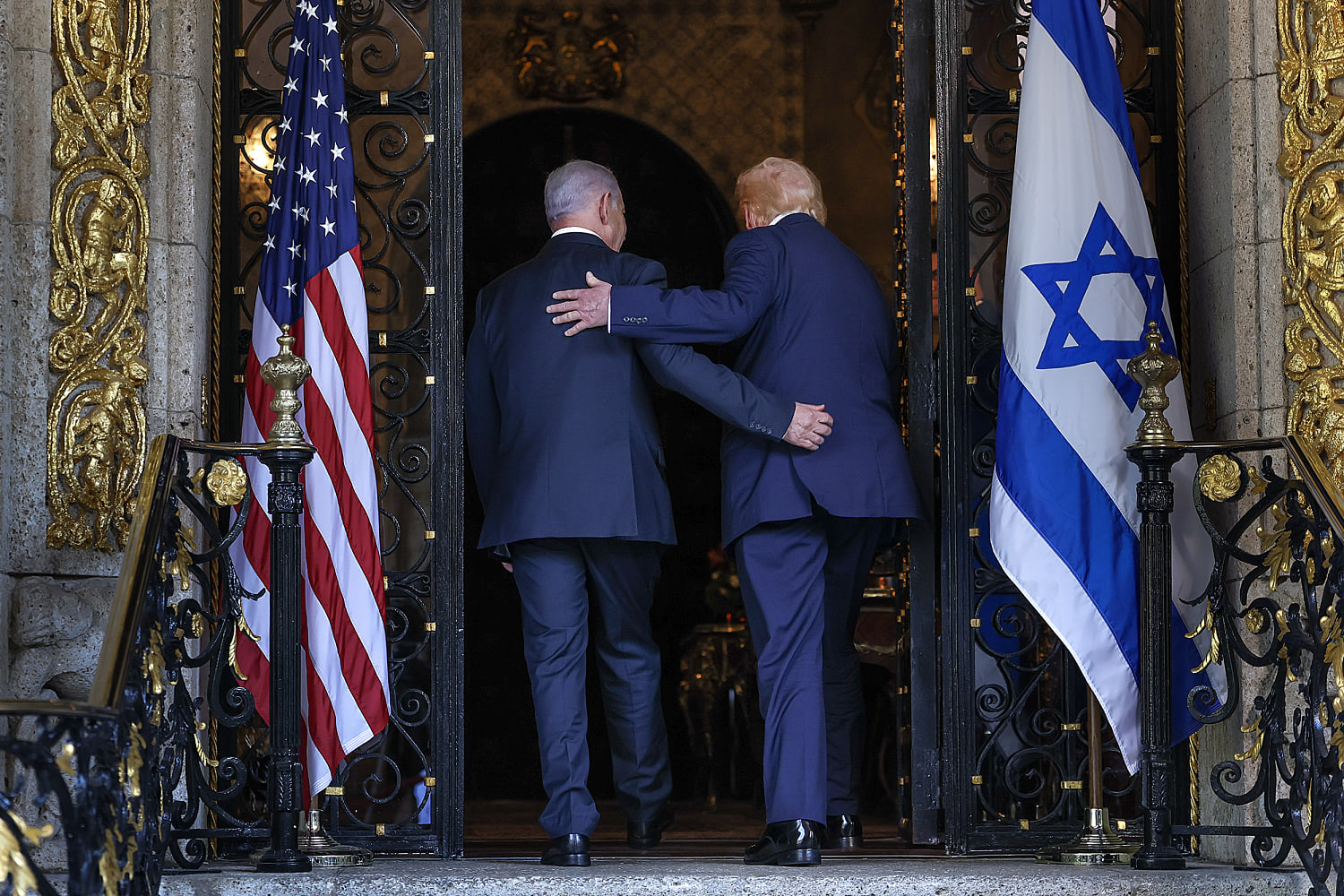
Image via NBC News
Trump and Netanyahu Meet With Iran Risk Hanging Over Everything
Netanyahu heads to Washington for a high-stakes sit-down with Trump, with Iran tensions in the background and the late Sen. Lindsey Graham’s funeral on the calendar. This is the kind of week where a single sentence in a readout can move oil faster than an OPEC press conference.
Markets will trade this as an option: low probability, high impact. If the optics drift toward escalation, you’ll see crude catch a bid, defense names stay sticky, and duration get a safety bid even if the Fed is still hawkish on paper.
The real tell won’t be the photo-op. It’ll be whether any concrete coordination leaks on red lines, timing, and regional posture. When Washington and Jerusalem align publicly, volatility gets repriced immediately.
📈 Fred's Take: This meeting is an energy vol event masquerading as politics. If headlines turn hot, buy quality energy exposure and keep a toe in gold; don’t chase broad equity strength into geopolitical tail risk. The best trade is usually not guessing the strike, it’s owning the vol when everyone else is selling it cheap.
📎 NBC News
Germany Preps for a China Trade Fight, and Europe’s Industrials Feel It First
Germany is building a toolkit for a potential EU trade war with China, but the hard part is getting all EU members rowing in the same direction. Berlin wants leverage; Brussels wants unity; and exporters just want certainty.
For markets, the path matters as much as the destination. A messy, slow coalition means a long drip of tariff threats, countermeasures, carve-outs, and exemptions. That’s a volatility regime for European autos, industrials, chemicals, and anything with China-heavy demand or supply chains.
If this escalates, it’s not just an equity story. It’s a growth and inflation mix problem: higher goods friction, weaker external demand, and policy makers getting boxed in. The euro will trade the confidence channel, not the speeches.
📈 Fred's Take: The EU can talk tough, but the market will price the damage to German exporters first and ask questions later. If you’re long Europe, favor domestics and defense over China-exposed cyclicals, and expect the euro to stay a punching bag on any escalation. Trade wars don’t create winners; they create relative losers, and you want to own the least fragile balance sheets.
Boeing’s Air Force One Bill Comes Due Again
Boeing posted a wider loss than expected, with the long-delayed Air Force One program adding a fresh $280 million charge. It’s another reminder that fixed-price complexity plus politics is how you light shareholder value on fire.
The market’s problem with Boeing isn’t just one quarter’s numbers. It’s credibility on execution, timelines, and cost control across programs. Every charge is a signal that the risk register is still expanding.
This also hits sentiment across the aerospace supply chain. When the prime is leaking, suppliers get scrutinized, and investors tighten the multiple until deliveries and cash flow prove they’re real.
📈 Fred's Take: Boeing is still in the penalty box because it keeps earning it. Until cash generation is durable and program risk stops surprising, this is a trading vehicle, not a sleep-well compounder. If you want aerospace exposure, own the names with clean execution and let Boeing pay a higher interest rate in the market’s court.
📎 CNBC
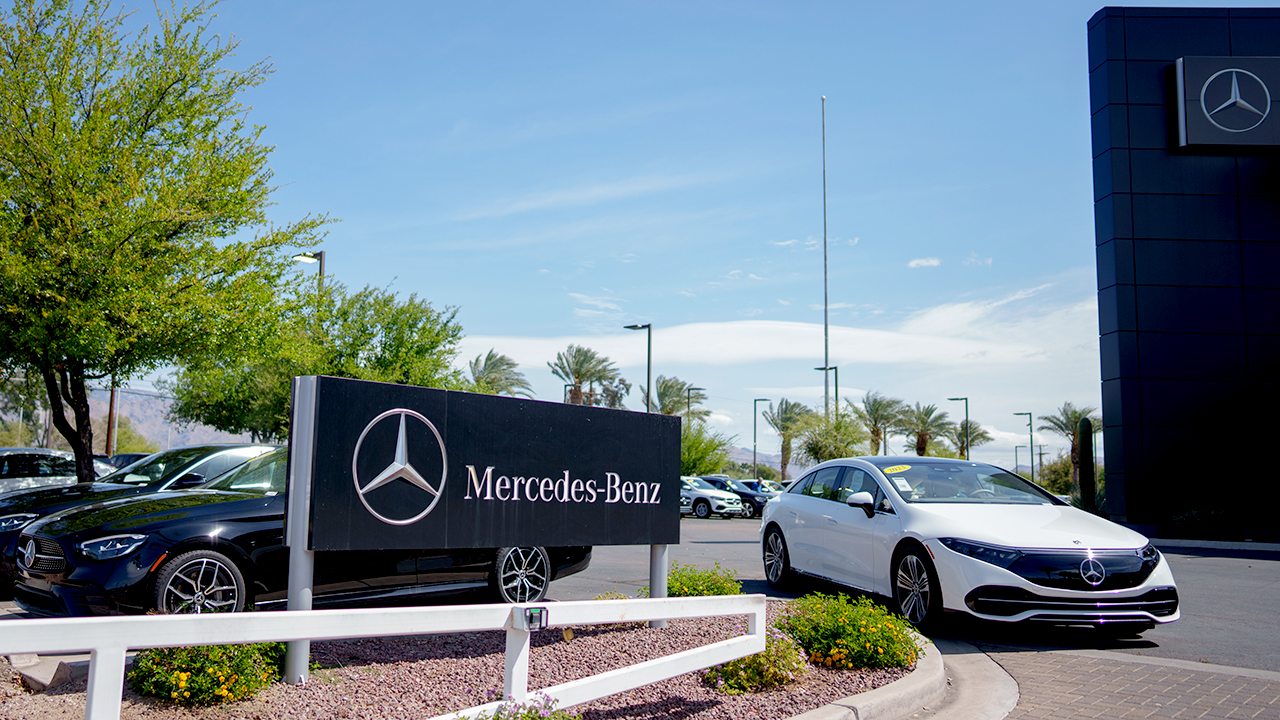
Image via Fox Business
Senate Bill Targets China-Tied Autos, and Mercedes Gets Dragged Into the Blast Radius
A Senate push to target Chinese-owned automakers could potentially ensnare Mercedes-Benz, with Sen. Ted Cruz warning the company could face a U.S. ban under the proposed framework. The accusation: political and corporate maneuvering is shaping who gets hit and who gets spared.
Investors should treat this as the next phase of industrial policy: supply-chain nationalism turning into outright market-access risk. Even the hint of a ban forces companies to re-audit ownership, software stacks, battery sourcing, and connected-car data flows.
This isn’t just about one brand. It’s a playbook: define “Chinese-owned” broadly enough and you can reshape the competitive landscape with a pen stroke. That is a multiple risk for global autos.
📈 Fred's Take: This is Washington putting a tariff-sized thumb on the scale, and the market will price it before the lawyers finish reading the bill. If you own global autos, demand a political-risk discount and prefer U.S.-domiciled supply chains with minimal China linkage. The big risk isn’t a headline ban; it’s the compliance spiral that raises costs and slows product cycles.

Image via MarketWatch
Apple Turns the iPhone Into a Monthly Payment With a Lease-Style Program
Apple is rolling out a lease-style option for iPhones, pushing the product closer to the auto model: pay monthly, keep upgrading, stay in the ecosystem. It’s a notable shift in how Apple sells hardware, arriving as consumers stay price-sensitive and financing becomes part of the product.
For Apple, the strategic goal is obvious: smooth demand, reduce upgrade-cycle lumpiness, and deepen services attach by keeping customers on the latest device. For the consumer, it’s more affordability optics than true savings, but optics matter when inflation psychology is still alive.
For the market, the question is accounting and risk: who holds the residual value, how returns and refurb pipelines are managed, and whether this pulls forward demand or genuinely expands the base. Done right, it’s a revenue-smoothing machine. Done wrong, it’s hidden credit risk.
📈 Fred's Take: This is Apple trying to turn hardware into a subscription without calling it one. If it works, it tightens the ecosystem moat and stabilizes revenue, which deserves a better multiple in a choppy macro. Watch the fine print: residuals, defaults, and return rates will tell you whether this is genius or just financial engineering with a glossy UI.
That’s the map before the open: headline risk in energy, policy risk in autos, execution risk in aerospace, and Apple pulling finance levers to protect growth. Trade accordingly.
— Fred Frost
