Today’s Sponsor
Oil markets are shifting as Venezuela's disruption removes critical barrels while spare capacity shrinks. Supply pressure is building before headlines catch up — and smart traders are positioning now.
Our exclusive briefing reveals three energy stocks emerging from this supply shock, plus the key signals to monitor as this setup evolves. This is about preparation, not prediction.
Get the Free Oil Trading ReportBy following the links above, you're opting in to receive valuable updates from Wealthiest Investor News plus 2 bonus subscriptions. Your privacy is important to us. You can unsubscribe anytime. See our privacy policy for details.

Wednesday, July 22, 2026. Washington is rewriting Middle East risk rules in real time while energy markets test how much fear is left to price. Meanwhile capital keeps voting with its feet — straight into South Florida.
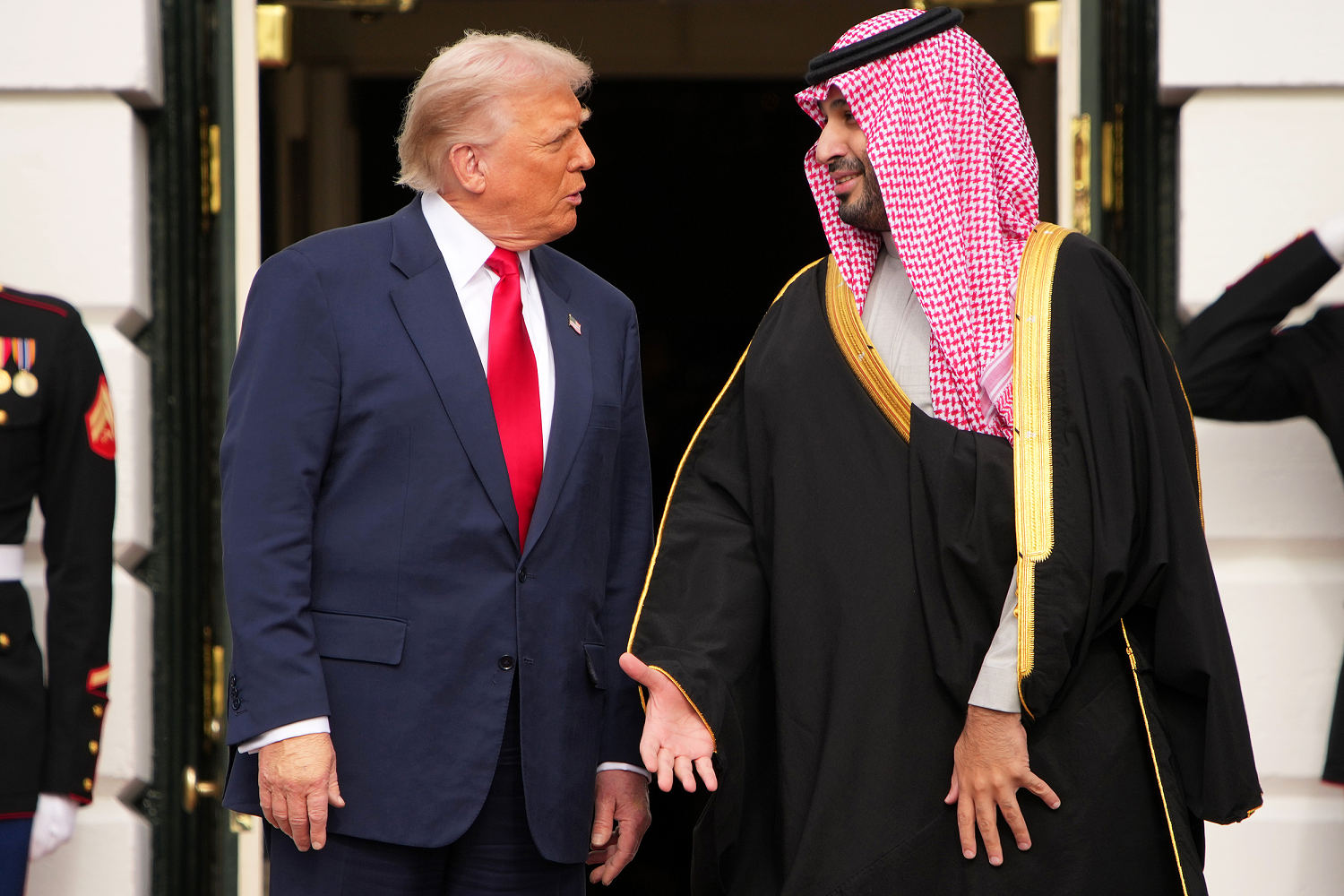
Image via NBC News
Trump greenlights U.S.-Saudi nuclear deal: big geopolitics, bigger supply-chain checkbooks
Trump approved a landmark civilian nuclear agreement with Saudi Arabia, with an announcement expected today. The key tension point is enrichment: who controls it, how it’s monitored, and how the U.S. sells this as nonproliferation while the region is already on edge.
Markets will translate this into contracts, not talking points. Nuclear buildouts mean long-cycle capex: reactors, grid upgrades, fuel services, security, and a decade of procurement. It also signals a tighter U.S.-Saudi alignment after weeks of Iran-linked instability — that reduces some long-term oil-tail risk while increasing near-term geopolitical headline risk as Tehran reacts.
Watch the second-order moves: uranium and nuclear services equities get a fresh narrative bid, defense gets incremental demand, and Gulf sovereign flows may lean harder into U.S. assets if the relationship is being formalized with real infrastructure.
📈 Fred's Take: This is bullish for the nuclear value chain and quietly bullish for U.S. defense, but it’s not a clean risk-on signal. The market will price the deal as strategic cover for Saudi security while Iran prices it as escalation — and that widens the range for crude, rates volatility, and EM risk. If you’re long cyclicals, keep hedges on: this is a capex story riding on a powder keg.
📎 NBC News
Brent at $95: the war premium is still alive, and Rubio just underwrote it
Brent is hovering near $95 as Secretary of State Marco Rubio said the U.S. will "continue to protect shipping" through Hormuz. The U.S. has reportedly struck Iran-linked targets for 11 consecutive days to degrade Iran’s ability to threaten commercial shipping.
Energy traders are stuck between two forces: physical flow hasn’t collapsed, but the distribution of outcomes is ugly. The market isn’t paying for today’s barrels — it’s paying for the chance that tomorrow’s barrels get delayed, insured at punitive rates, or rerouted with real friction.
This matters far beyond crude. Higher energy volatility bleeds into breakevens, complicates the Fed’s glide path, and keeps the dollar supported on safety bids. Crypto trades it as liquidity and risk appetite; it won’t like sustained $95+ if it tightens financial conditions.
📈 Fred's Take: $95 Brent is the market telling you protection is not the same thing as stability. The U.S. is effectively writing an insurance policy with missiles, and the premium doesn’t go to consumers — it goes into volatility, freight, and risk assets repricing. If crude holds here, expect upward pressure on inflation expectations and a tougher tape for high-multiple growth.
📎 CNBC

Image via Fox Business
Miami beats New York on return-to-office: taxes and sunlight are now market factors
Miami has reportedly overtaken New York City in the return-to-office race, with companies expanding their South Florida footprint. The driver list is straightforward: taxes, regulation, and a business climate that makes hiring and expanding feel less like a compliance exercise.
This is not a vibes story — it’s a capital allocation story. Office attendance tracks local services demand, housing demand, and ultimately municipal revenue resilience. When corporate density shifts, the winners are airports, builders, insurers, and regional banks that finance the churn.
New York doesn’t die, but it reprices. Commercial real estate stress doesn’t need a crash to hurt equities; it just needs refinancing to stay expensive while occupancy stays uncertain. The spread is widening: places that can refill buildings are fine, places that can’t become a slow-burn balance-sheet problem.
📈 Fred's Take: Follow the footprint, not the headlines. Miami winning RTO means real cash flows — restaurants, transit, rents, tax receipts — while NYC faces a longer grind in office valuations and the banks tied to them. If you want a clean real-estate trade, look at who finances growth markets versus who is stuck extending and pretending on legacy office collateral.

Image via MarketWatch
Oil can drop and your gas bill still won’t: the refinery choke point is the real tax
MarketWatch argues that even if oil prices fall, gasoline prices may not follow, calling out a structural trap that keeps pump prices sticky. The punchline is that crude is only one input; the pricing power often sits in refining capacity, distribution constraints, and financial positioning around crack spreads.
Here’s the reality traders watch: when refinery utilization is tight and inventories are thin, gasoline behaves like its own asset class. Add geopolitical risk and you get a one-way ratchet — prices jump fast on fear and drift down slowly when fear fades.
That disconnect matters for macro. Households don’t consume Brent; they consume gasoline. Sticky pump prices keep consumer inflation higher than policymakers want, even if headline crude is rolling over, and that keeps real rates and credit conditions tighter than risk assets prefer.
📈 Fred's Take: Consumers are learning what desks have known for years: crude is the headline, refined products are the pain. If you’re betting on lower inflation, you need easing in crack spreads and refinery margins, not just a dip in WTI. Until that breaks, the Fed stays cautious and the equity multiple ceiling stays lower than the bulls want.

Image via The Hill
Trump threatens strikes on Iran infrastructure if Hormuz ships are hit: escalation risk goes non-linear
Trump warned he could authorize strikes against Iranian civilian infrastructure if Iran continues targeting vessels in the Strait of Hormuz. The message is deterrence, but markets hear something else: the menu is expanding.
This changes the risk math because infrastructure targets widen the pathways to retaliation. That means higher odds of cyber disruption, proxy attacks, and asymmetric responses that don’t show up on a naval tracker until after the first disruption.
For investors, the transmission mechanism is immediate: higher oil vol, higher defense bid, wider credit spreads in riskier corners, and a stronger dollar on safety demand. The longer this stays in the headlines, the more it acts like a tax on global growth expectations.
📈 Fred's Take: Threatening infrastructure strikes is how you move from a contained shipping story to a broad escalation story. The market will price a fatter tail: not just supply risk, but demand destruction risk if global conditions tighten. Trade it like a volatility regime — smaller size, wider stops, and don’t be cute fading the first spike.
📎 The Hill
That’s the tape. Respect the war premium, respect the refinery bottleneck, and keep your risk budget tight until Hormuz stops being the world’s most expensive headline.
— Fred Frost
