Today’s Sponsor
AI is leaving the screen and entering the real world—robots, factories, vehicles, intelligent machines. A new wave of market leaders is forming right now, and the investors who move early could have a serious edge. Wait for the headlines, and you'll be buying into Wall Street's next crowded trade.
We put together a free report revealing 5 stocks positioned at the center of the Physical AI revolution—including the technologies, growth drivers, and risks you need to know. Your copy is available now, but not indefinitely.
Get the Free Report NowBy clicking the link above you agree to receive emails from StockEarnings and our affiliates. You can opt out at any time. Privacy Policy.

Markets are trading politics like a balance sheet again: energy shocks hit margins, diplomacy moves the curve, and consolidation is the only growth story left in parts of consumer America.
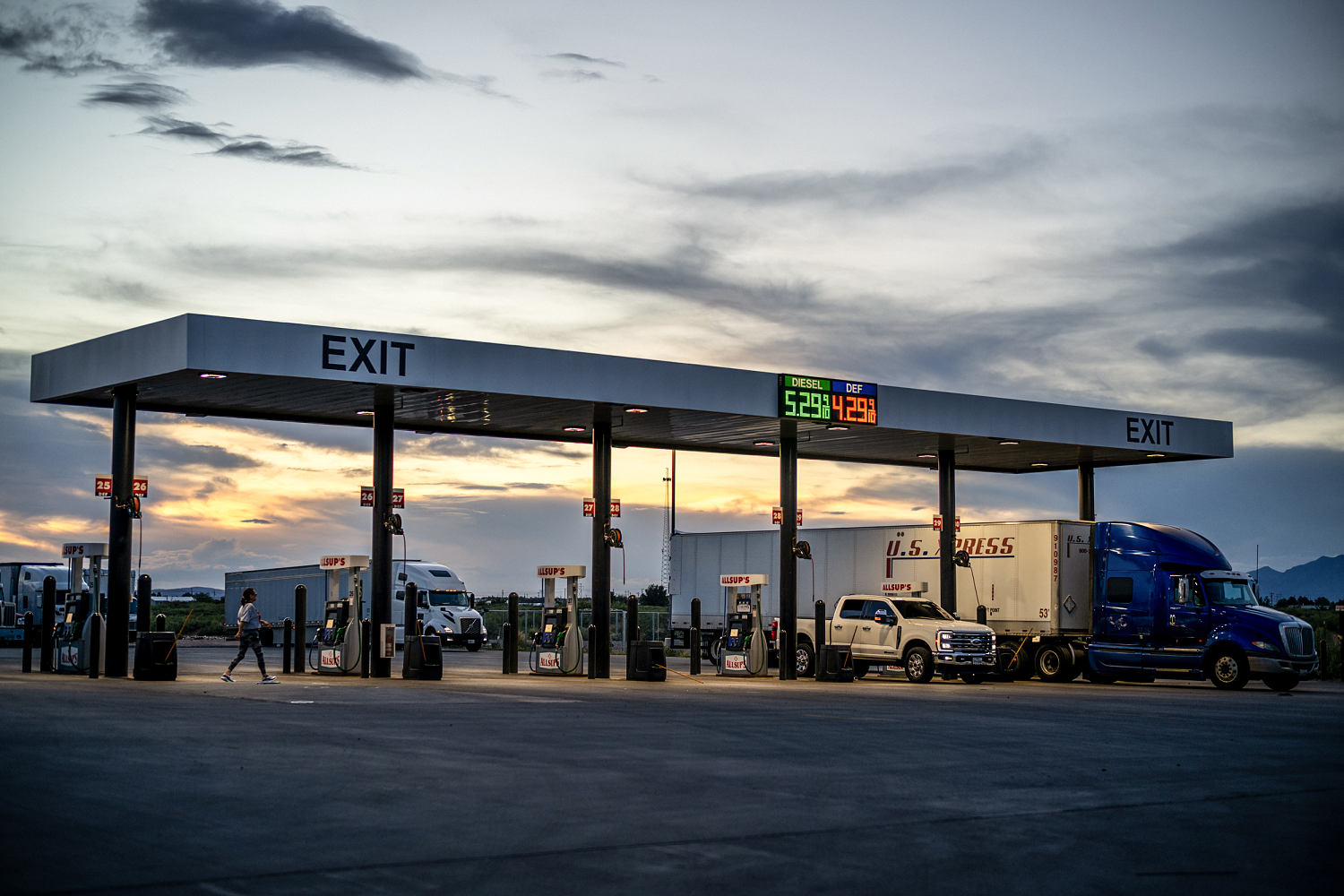
Image via NBC News
Five charts, one message: the Iran war broke the clean disinflation glidepath
NBC’s before-and-after snapshots are the simplest way to see what traders already felt in their P&L. Pre-strike, the U.S. was gliding: inflation cooling, real wages stabilizing, and consumers hanging in. Then the war hit the most market-sensitive input on earth: energy and shipping risk.
The post-war economy is the same old U.S. machine, just with a tax layered on top. You see it in pricier fuel and freight, stickier services, and a sentiment hit that turns “soft landing” into “tighten your belt.” The second-order effect is what matters: firms protect margins by cutting hours and capex before they cut price.
📈 Fred's Take: This is a rates story wearing a geopolitics costume. If energy stays elevated, the Fed can’t declare victory, and the long end stops cooperating. I’d rather own quality balance sheets and pricing power than chase high-multiple growth that needs falling yields to work.
📎 NBC News
Trump-Xi put “AI safety” on the agenda; nobody’s taking their foot off the accelerator
CNBC frames it correctly: both sides will talk safety because the public is spooked, but both sides need speed because the strategic prize is enormous. AI safety becomes the diplomatic language for export controls, chip supply, model access, and who gets to set standards.
Translation for markets: expect theater at the top and trench warfare in the bureaucracy. Even if leaders sound constructive, the default is more guardrails on advanced compute and more incentives to onshore capacity. That keeps the capex cycle alive while keeping cross-border tech multiples hostage to policy headlines.
📈 Fred's Take: Treat “AI safety talks” as a volatility engine, not a détente. Semis and infrastructure are still the picks-and-shovels trade, but you need to price in sudden rule changes and compliance costs. The winners are the firms with redundant supply chains, domestic capacity, and government relationships that can’t be copied.
📎 CNBC
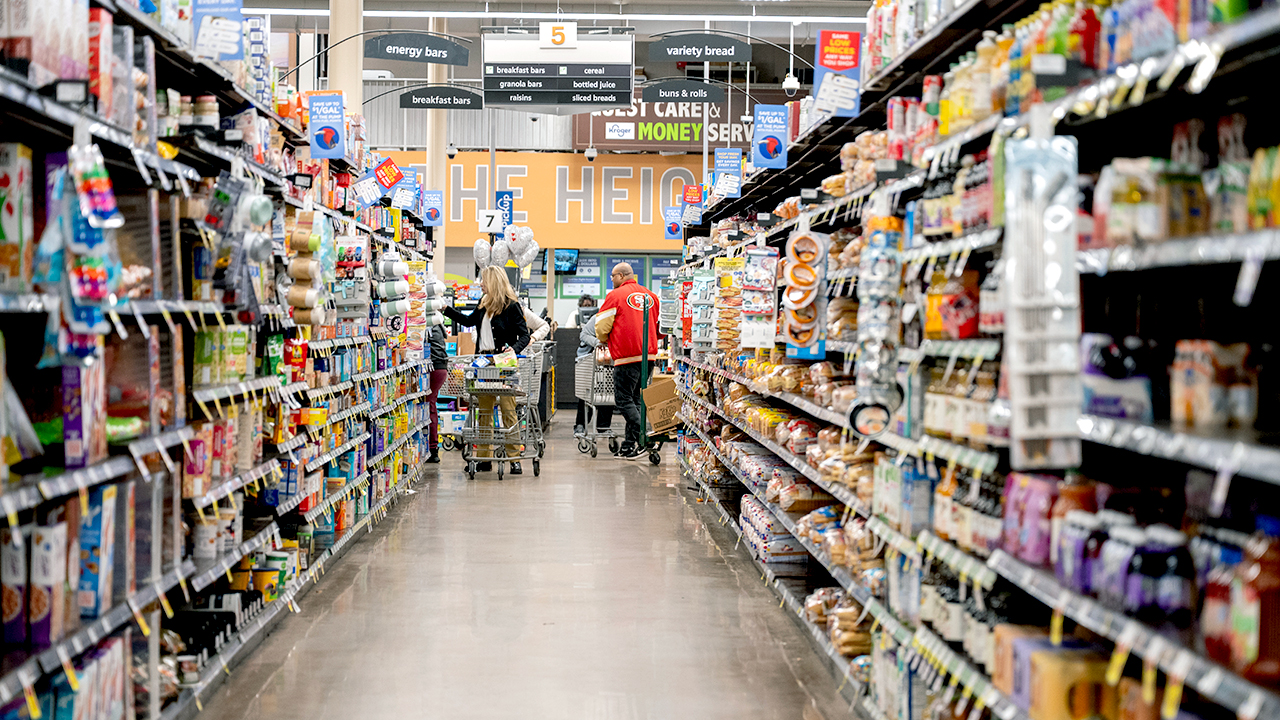
Image via Fox Business
Grocers warn of a five-chain America: that’s inflationary in the long run
The National Grocers Association is waving a red flag: independents get squeezed by scale, labor, and technology costs, and the result is fewer national players with more pricing power. Consumers might see short-term promos, but the structure shifts toward less competition.
The market angle is straightforward. Consolidation usually boosts margins, but it also invites regulators, union pressure, and populist politics when food prices spike. And food is the one CPI component voters feel daily, which means policy risk sits right on top of the grocery aisle.
📈 Fred's Take: If independents keep dying, you’re building an oligopoly that can defend margins when fuel and wages rise. That’s bullish for the surviving chains and their distributors, but it’s not bullish for the inflation narrative. Expect more noise on antitrust, “price gouging,” and food-supply investigations the next time CPI re-accelerates.
Trump says Iran talks have “momentum”: markets will trade it as a risk-premium release valve
Breitbart reports Trump calling the U.S.-Iran talks “very well” and pointing to momentum toward a deal. After a war, the first thing investors look for is an off-ramp: fewer strikes, fewer disruptions, more predictable shipping and energy flows.
Even if a deal is far from signed, the messaging matters because it changes positioning. The crude risk premium is partly fundamentals and partly fear. If fear comes out, it shows up fast in oil, defense names, and inflation expectations—and then it bleeds into rates and the dollar.
📈 Fred's Take: Diplomacy is the cheapest form of disinflation. If credible progress emerges, oil can drop on expectations alone, and that gives the Fed cover and equities oxygen. But don’t confuse headlines with durability: keep hedges on, and only fade energy spikes when you see verification, not vibes.
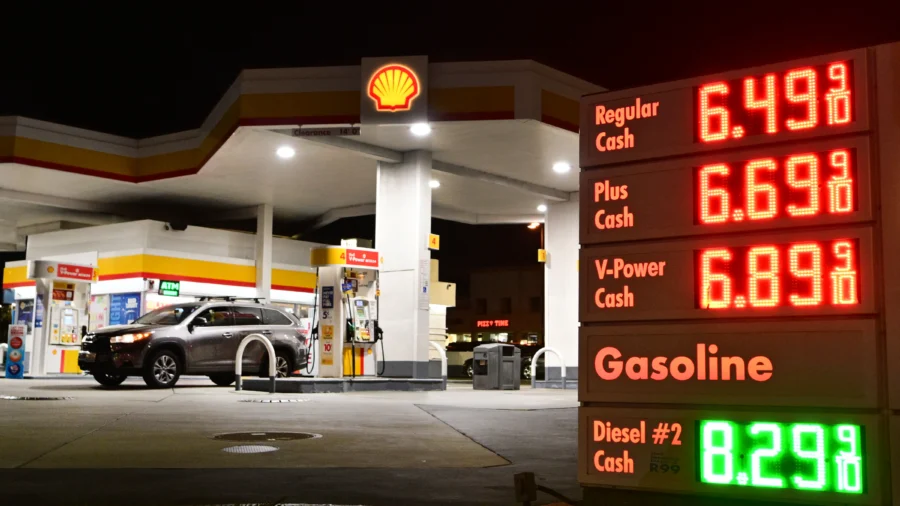
Image via NTD
Temporary diesel export ban: a blunt tool that will break something
NTD reports Trump backing a temporary ban on diesel exports as fuel costs ripple through the economy. Diesel is the bloodstream of goods inflation: trucking, rail, construction, farming, and backup power. When diesel spikes, margins compress first, then prices rise.
An export ban sounds simple—keep supply at home, push prices down—but markets don’t do simple. You risk refinery margin distortion, retaliatory trade responses, and logistical snarls that create shortages in weird places. The ban might lower the posted price briefly while raising volatility and reducing incentives to produce the marginal barrel.
📈 Fred's Take: This is price control logic with a patriotic wrapper, and it usually backfires. You may get a short-lived relief print that politicians can point to, but you pay for it in refinery economics and future supply. If this gets traction, I’d watch refiners, transport, and any sector with diesel-heavy input costs—and I’d expect more policy meddling if inflation doesn’t behave.
📎 NTD
That’s the tape: war premium, policy premium, and consolidation premium. Trade what changes cash flows, not what changes headlines.
— Fred Frost
