Today’s Sponsor
One oil market disruption can trigger a chain reaction — tighter supply, shifting routes, and producers scrambling to adapt. Our research team has pinpointed 3 energy stocks uniquely positioned to benefit from this ripple effect, and each one has a distinct edge as the global energy landscape shifts.
These aren't just bets on higher oil prices. Inside Trading the Oil Supply Shock: Top 3 Energy Stocks Emerging From Global Supply Disruptions, we break down exactly what makes each company stand out — and why now could be the moment to pay attention.
Get the Free ReportBy clicking the link above, you're opting in to receive valuable updates from The Investor Newsletter Daily plus 2 bonus subscriptions. Your privacy is important to us. You can unsubscribe anytime. See our privacy policy for details.

Thursday, Oct 1, 2026: execution failures hit legal risk pricing, cockpit violence lands in aviation premiums, Rocket Lab gets paid in backlog, State tightens the visa spigot, and the Trump-Xi mini-deal tees up holiday pricing.

Image via France 24
Tennessee Botches Another Execution — Legal Risk Is Back in the Price
Tennessee’s attempt to execute Christa Pike blew up in real time: two lethal injection doses, and she survived. It’s the state’s second failed execution this year, and it lands like a brick in an already ugly national debate over protocols, drug sourcing, and basic competence.
This isn’t just a moral headline. It’s operational failure by the state, which means more litigation, more injunctions, and longer timelines. When procedures become unpredictable, every related vendor, insurer, and contractor gets pulled into discovery, reputation damage, and cost overruns.
Expect a wave of emergency policy reviews across states still using injection, plus more pressure to disclose supply chains for execution drugs. That’s a liability bonfire, and plaintiffs’ attorneys know it.
📈 Fred's Take: Markets don’t price ethics; they price uncertainty. A second failure in one year raises the odds of multi-state pauses, which means more legal spend, more insurance claims, and more headline risk for any contractor even adjacent to corrections healthcare. If you own insurers, think higher premiums but also fatter tail risk; if you own state muni paper, remember: operational dysfunction becomes fiscal dysfunction fast.

Image via South China Morning Post
Co-Pilot Stabs Captain on flyDubai Flight — Aviation Security Risk Just Repriced
Investigators are trying to figure out why a co-pilot allegedly stabbed the captain on a flyDubai flight bound for Israel. The aircraft reportedly entered a dangerous descent before others on board managed to stabilize and land it. That’s the nightmare scenario: internal cockpit violence, not a passenger incident.
Airlines already run on thin margins and thick regulation. This kind of event triggers immediate scrutiny of screening, mental health monitoring, cockpit access procedures, and carrier oversight, especially on geopolitically sensitive routes.
The near-miss matters as much as the act. Regulators respond to “almost disasters” the way markets do: by repricing risk as if it will happen again, because eventually it will.
📈 Fred's Take: Watch aviation insurers and lessors: premiums and compliance costs go up, and carriers eat the bill. For airlines with Middle East and Israel exposure, this is additive risk on top of airspace disruptions and higher security overhead. If you’re long the sector, you want the cleanest balance sheets and the most diversified route networks; the leverage stories will feel this first.

Image via Investing.com
Rocket Lab Bags 20-Launch Deal — Backlog Is the Only Religion in Space Stocks
Rocket Lab shares jumped after news of a 20-launch agreement with Synspective. In a market that’s been ruthless about cash burn, a multi-launch commitment is the closest thing to oxygen: it signals demand, utilization, and some visibility on revenue.
Space is still a hype minefield, but contracts matter because they convert “cool tech” into a production schedule. The street cares less about a single launch and more about cadence, margins, and whether the pipeline keeps refilling.
If Rocket Lab can turn this into recurring launches and attach higher-margin services around it, the equity multiple changes. If it’s just backlog without profitability, it’s a sugar high.
📈 Fred's Take: This is the right kind of catalyst: booked demand that supports cadence. The trade is simple: space names rally on backlog, then get judged on execution and gross margin two quarters later. If you’re playing it, respect the volatility and size it like a high-beta industrial, not a software compounder.
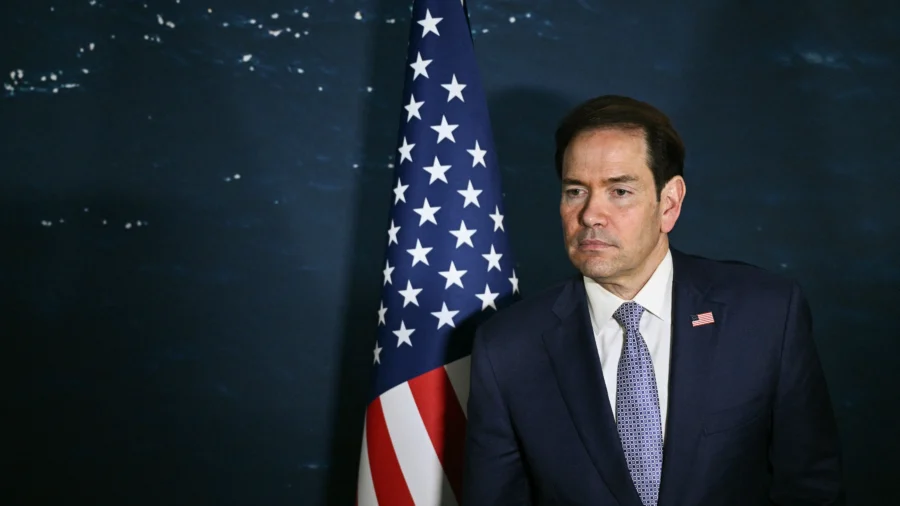
Image via NTD
State Dept Revokes 250,000+ Visas — Labor Supply Shock, Quiet Inflation Risk
The State Department has revoked more than 250,000 visas, according to reporting tied to remarks from Secretary of State Marco Rubio. Details matter, but the headline alone is enough to move expectations: tighter entry means tighter labor supply, and tighter labor supply means wage pressure in the places that can’t automate fast.
This hits services inflation where it hurts: hospitality, healthcare support roles, agriculture, construction, and parts of logistics. Companies don’t get a vote; they either pay up, slow growth, or pass costs through.
Politically, it’s a signal that enforcement is moving from rhetoric to throughput. Economically, it’s a reminder that immigration policy is an inflation lever, not just a cultural argument.
📈 Fred's Take: This is stealth hawkish for inflation and, by extension, rates. Fewer workers is a supply-side constraint, and the Fed doesn’t cut into persistent wage pressure unless growth breaks. Position accordingly: defensives with pricing power beat labor-intensive small caps if this trend holds, and front-end rate expectations get less dovish over time.
📎 NTD

Image via Fox Business
Trump-Xi $30B Holiday Deal — A Band-Aid for Prices, Not a Trade Reset
A trade expert is laying out what a $30 billion Trump-Xi agreement could mean heading into the holiday season, with focus on toys, household goods, and other import-heavy categories. Retailers care about two things right now: landed cost and delivery certainty.
A targeted deal can shave price pressure at the margin, especially if it reduces friction on specific product lines. But it doesn’t unwind the broader tariff architecture, the strategic tech restrictions, or the supply-chain re-routing that’s been years in the making.
Consumers will feel this less as “cheaper everything” and more as “fewer ugly surprises” at checkout. That’s still meaningful in an election-adjacent economy where confidence is fragile.
📈 Fred's Take: Don’t confuse a seasonal price-relief patch with a structural détente. The market impact is narrow but tradable: big-box retail and import-reliant consumer names get a sentiment tailwind, while domestic manufacturers don’t suddenly regain pricing power. If bond yields keep the consumer tight, this deal helps margins more than it helps volumes.
That’s the tape. Keep your risk tight, your catalysts clear, and your politics translated into cash flows before the opening bell.
— Fred Frost
