Today’s Sponsor
A little-known force is now controlling the S&P's price action — and most traders have no idea it exists. A former VP of a trillion-dollar firm has spent years cracking it, and the results speak for themselves: a 79.4% win rate with same-day returns like 176% and 75.4% — up or down market, it doesn't matter.
This isn't mainstream. It won't be on CNBC. But right now, you can get the full breakdown — including how to use this force to target double- and triple-digit moves today. Don't sit this one out.
Get the Free Breakdown NowWe develop tools and strategies to the best of our ability, but we can't guarantee the future. In LIVE trading alerts in real time from 08/23/24 to 3/28/26, the strategy is 54-14, with an overall win rate of 79.4% and an average return (winners and losers included) of 59.3%, with an average winner of 86.8% over a 1-day hold time. Trade at your own risk. By clicking the link above you agree to periodic updates from The TradingPub and its partners. Privacy Policy.

Trump talks strikes, PPI jumps on energy, Samsung faces an insider probe, FISA drifts toward a cliff, and Asia digests the latest AI sell-off while oil cools.
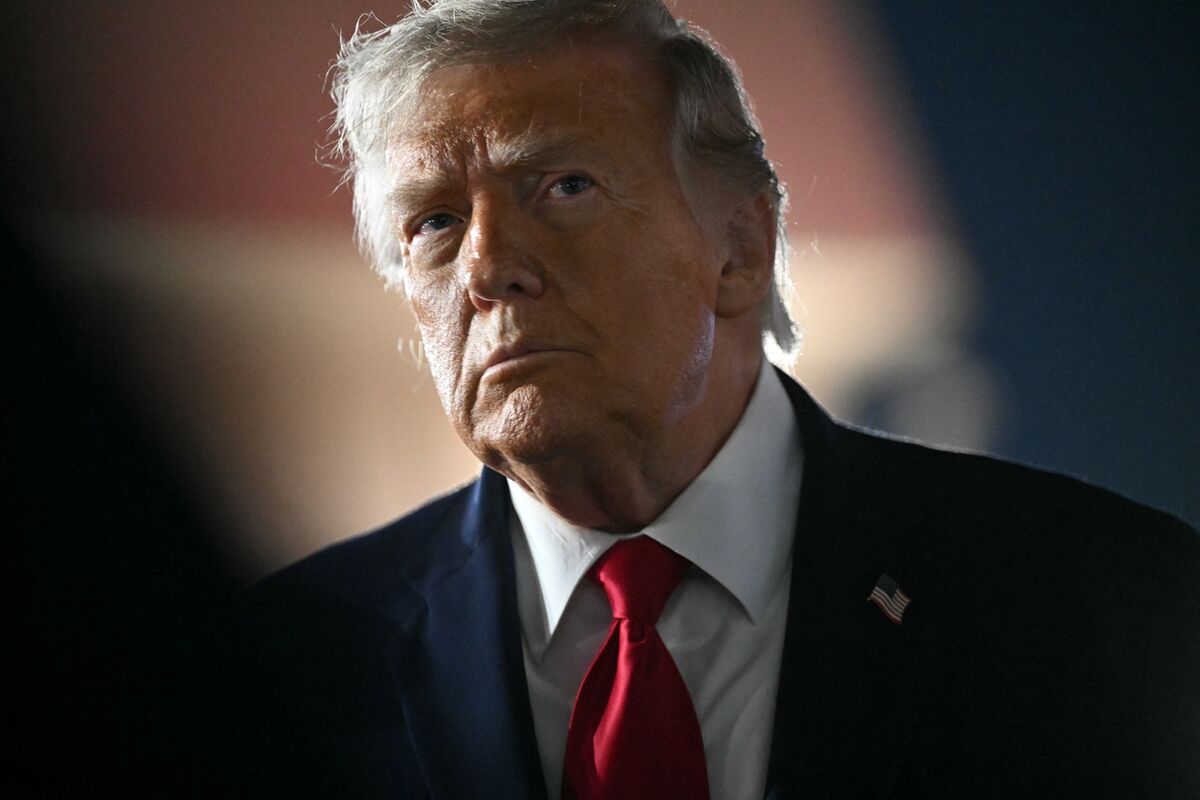
Image via Bloomberg
Trump puts a war premium back in the tape: "More strikes" if Iran doesn’t deal
Trump is signaling escalation risk as policy, not a last resort: more strikes if Iran won’t agree to a deal. Markets don’t price words forever, but they absolutely price the path to miscalculation — especially when the decision loop is political and the timetable is short.
Energy is the transmission channel. Even when barrels aren’t missing, the volatility premium is real: shipping risk, insurance costs, and the reflexive bid in front-month crude. That bleeds into inflation expectations, forces central banks to stay hawkish longer, and knocks duration when you least want it.
If you’re wondering why defensives have been acting better than the story would suggest, this is it: geopolitical tail risk is back on the checklist, and the market hates uncertainty more than bad news.
📈 Fred's Take: Treat this as an energy-volatility trade and a duration warning. If rhetoric turns into a sustained campaign, crude spikes first, then breakevens, then yields — and high-multiple equities are the casualty. Own quality energy cash flows or hedge with oil exposure; don’t be cute with long duration until this headline risk cools.
PPI pops 1.1%: energy just re-lit the inflation fuse
Producer prices rose 1.1% in May, hotter than the 0.7% consensus. The driver was energy — and that matters because energy isn’t just a CPI line item, it’s an input into everything: transport, chemicals, plastics, fertilizers, packaging, the whole cost stack.
One month doesn’t make a trend, but this is the kind of print that keeps the Fed from declaring victory. When upstream prices jump, companies either eat margin or push prices downstream — and in a still-tight labor backdrop, “eat it” doesn’t last long.
Rates markets will do what they always do after a surprise like this: flatten the optimism curve. Fewer cuts, later cuts, and more sensitivity to every inflation-adjacent headline (like oil).
📈 Fred's Take: Hot PPI is a tax on long-duration growth and a gift to cash-flow-now businesses. If energy stays bid, the "soft landing" narrative doesn’t die — it just gets more expensive in multiples. Keep your inflation hedges honest: TIPS, energy exposure, and pricing-power equities beat hope.
📎 CNBC
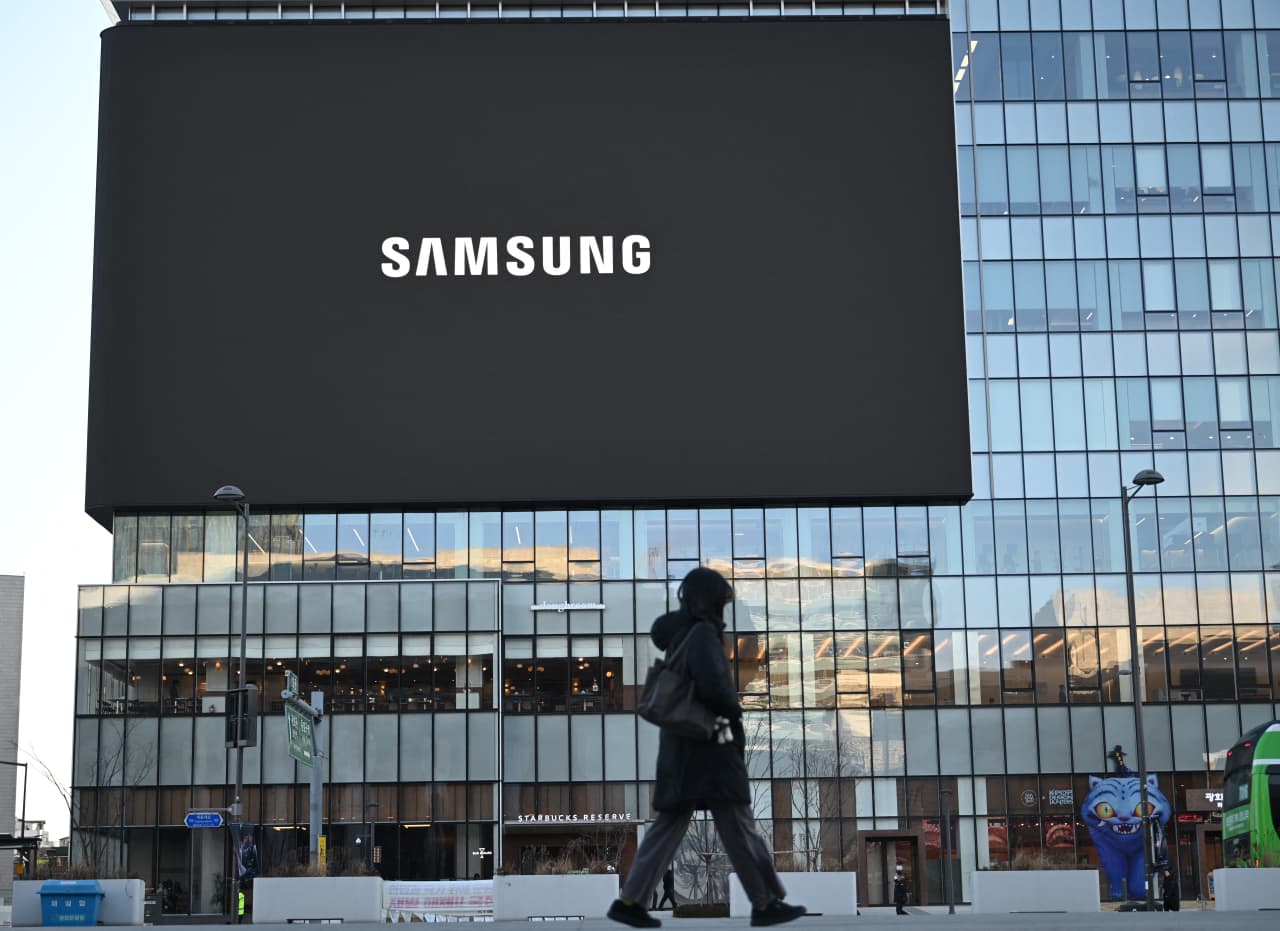
Image via MarketWatch
Samsung insider-trading probe: when the hottest stock meets the sharpest knives
Samsung, up roughly 150% this year, is now facing an insider-trading probe. In a momentum tape, nothing kills a leader faster than a credibility hit — not because it changes next quarter’s DRAM pricing, but because it changes who’s willing to hold size when the music slows.
Korea’s retail bid has been a feature, not a footnote, in this run. That’s a powerful accelerant on the way up and a trapdoor on the way down, because sentiment-driven ownership turns “investigation” into “sell first, ask questions later.”
Zoom out: memory is still cyclical, and the AI capex cycle has pulled forward a lot of good news across semis. When the market is already de-risking AI exposure, you don’t want extra headline gravity.
📈 Fred's Take: This is a positioning event, not a fundamental thesis-breaker — but positioning is what moves stocks day-to-day. If you own it, tighten risk: size down, sell calls, or be ready to buy back lower when forced sellers are done. If you don’t own it, don’t chase “dip” headlines until you see stabilization in volume and a clear read on regulatory scope.

Image via Axios
FISA drifting toward a lapse: Washington is about to create a legal risk premium
One of America’s most powerful surveillance authorities is nearing an unprecedented lapse as reauthorization stalls. That’s not just a beltway food fight — it’s a real operational and legal mess for intelligence agencies and the telecom ecosystem that supports them.
When rules go ambiguous, companies get conservative. Legal uncertainty slows cooperation, delays compliance decisions, and invites lawsuits and political retaliation depending on which way the wind blows. And once the word “surveillance” hits the front page again, expect a fresh round of platform and telecom scrutiny.
This is the broader pattern: dysfunction becomes a measurable market factor. Not because investors suddenly care about process, but because process failures create tail risks that show up as higher discount rates and lower multiples for regulated or politically exposed names.
📈 Fred's Take: This is a stealth headwind for telecom and big platforms: higher legal/compliance spend, headline risk, and a fatter regulatory discount. The bigger macro signal is uglier: Washington can’t extend core authorities without chaos, so risk premia creep up across anything that depends on stable rules. Own less political beta when Congress is playing chicken.
📎 Axios
Image via Associated Press
Asia mixed after AI gets smoked again; oil eases, but don’t mistake "down" for "safe"
Asian shares were mixed after another sell-off in AI-linked names on Wall Street. The theme is familiar: the market is rotating away from crowded growth and into anything with steadier cash flows as rates remain the boss.
Oil eased in Asia, which helps risk sentiment at the margin — but easing after a spike is not the same as stability. In this tape, “oil down today” doesn’t remove the volatility premium if the geopolitical track is still live.
The cross-asset message is clean: when AI leaders wobble, liquidity thins and correlations rise. That’s when weak hands get forced out, and that’s when you find out what you actually own — a business or a story.
📈 Fred's Take: AI isn’t dead; the easy money in AI is dead. If you’re trading, respect the air pockets — rallies will be sold until rates and earnings expectations stop fighting each other. If you’re investing, upgrade quality: real margins, real demand, and balance sheets that don’t need perfect conditions to work.
That’s the board. Watch oil, watch yields, and don’t let crowded narratives manage your risk for you. — Fred Frost
— Fred Frost
