Today’s Sponsor
While other sectors stall, AI investment is accelerating — showing up in earnings calls, corporate budgets, and real-world deployment. Capital is quietly concentrating around companies with clear demand and long-term relevance, and selective opportunities are forming right now.
A new research brief identifies 2 AI stocks trading under $15 that may be positioned for the next phase of growth — including key developments that could move these names in the months ahead.
Get the Free AI Stocks ReportBy following the link above, you're choosing to opt in to receive insightful updates from Investing Ideas Daily + 2 free bonus subscriptions! Your privacy is important to us. You can unsubscribe anytime. See our privacy policy for details.

Safe and happy Fourth of July to you and yours. Markets don’t care about fireworks — they care about heat, trade policy, drone wars, and who controls the next AI supply chain. Here’s the pre-open map.
Image via AP News
Heatwave Meets America 250: A Holiday Stress Test for Power, Insurance, and Politics
America 250 celebrations are ramping up into the July 4th weekend, and the backdrop is a broad, punishing heatwave. Big crowds, big security footprints, and big strain on city infrastructure — the kind of real-world friction that doesn’t show up in CPI until it does.
Trump’s heading to Mount Rushmore, which turns a weather story into a political optics story. Expect governors, mayors, and federal agencies to treat heat response like a campaign competency metric: cooling centers, grid stability, emergency services, and transport reliability.
For markets, extreme heat isn’t “seasonal.” It’s demand shock (power), supply constraint (construction, logistics), and loss severity (property & casualty) all at once. Every degree matters for peak-load pricing and the next insurance repricing cycle.
📈 Fred's Take: Heat is a stealth macro factor: it hits the grid first, then insurance, then municipal budgets. If you’re positioned for “soft landing + calm summer,” you’re underestimating how fast weather-driven costs can spike and how quickly politicians start pointing fingers. Watch regional utilities, nat-gas power burn, and the next round of insurer guidance — that’s where the real July risk lives.
📎 AP News
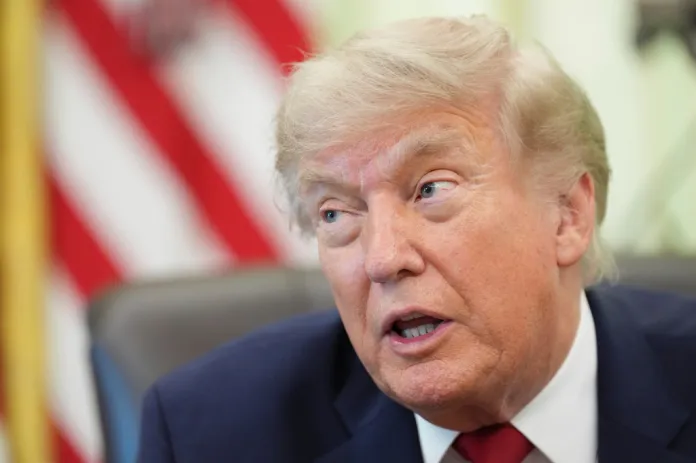
Image via Washington Examiner
Trump Floats No USMCA Renewal: Markets Hear “Tariff Optionality” and Price the Headache
The USMCA review deadline is here, and the chatter is Trump may not renew the trade deal with Mexico and Canada. The argument for extending it is simple: North American supply chains are already built around it, and ripping up the rules is the fastest way to re-tax your own manufacturers.
Even without an immediate cancellation, the headline risk matters. Companies plan capex and inventory on certainty — not “we’ll see after the next press conference.” When the trade framework is in question, CFOs hoard cash, delay hiring, and push cost increases through to customers.
Markets will translate this into one thing: margin pressure for anything with cross-border components — autos, industrials, ag equipment, consumer durables — plus more inflation noise if tariffs creep back into the toolkit.
📈 Fred's Take: This is the dumbest way to manufacture inflation while claiming you’re fighting it. If the White House wants leverage, fine — but threatening the whole framework is how you freeze investment and invite a risk premium into North American manufacturing. Position for volatility in industrials/autos and keep an eye on breakevens: tariff talk is inflation talk, whether politicians admit it or not.

Image via RealClearMarkets
Druckenmiller’s Top Holdings: What the Smartest Macro Tape-Reader Owns Now
RealClearMarkets ran through Stanley Druckenmiller’s top stock holdings — the short version: he’s keeping a big winner at the top while doing aggressive housekeeping elsewhere. That’s classic Druckenmiller: press what’s working, cut what’s not, and don’t marry a narrative.
The market implication isn’t “copy these tickers.” It’s the posture: concentrated conviction in a few liquid names, with the rest treated like a trading book. When a macro legend is actively pruning, it tells you dispersion is high and the easy beta is gone.
This kind of portfolio behavior usually shows up when leaders are expensive, breadth is fickle, and the next 3–6 months are more about risk management than hero returns.
📈 Fred's Take: Druckenmiller isn’t a mascot — he’s a signal. Heavy housekeeping means the tape is transitioning and the penalty for being late is rising. If you’re running a “set-and-forget” growth basket here, you’re volunteering for drawdowns; tighten position sizing, respect stops, and make your winners pay your rent.
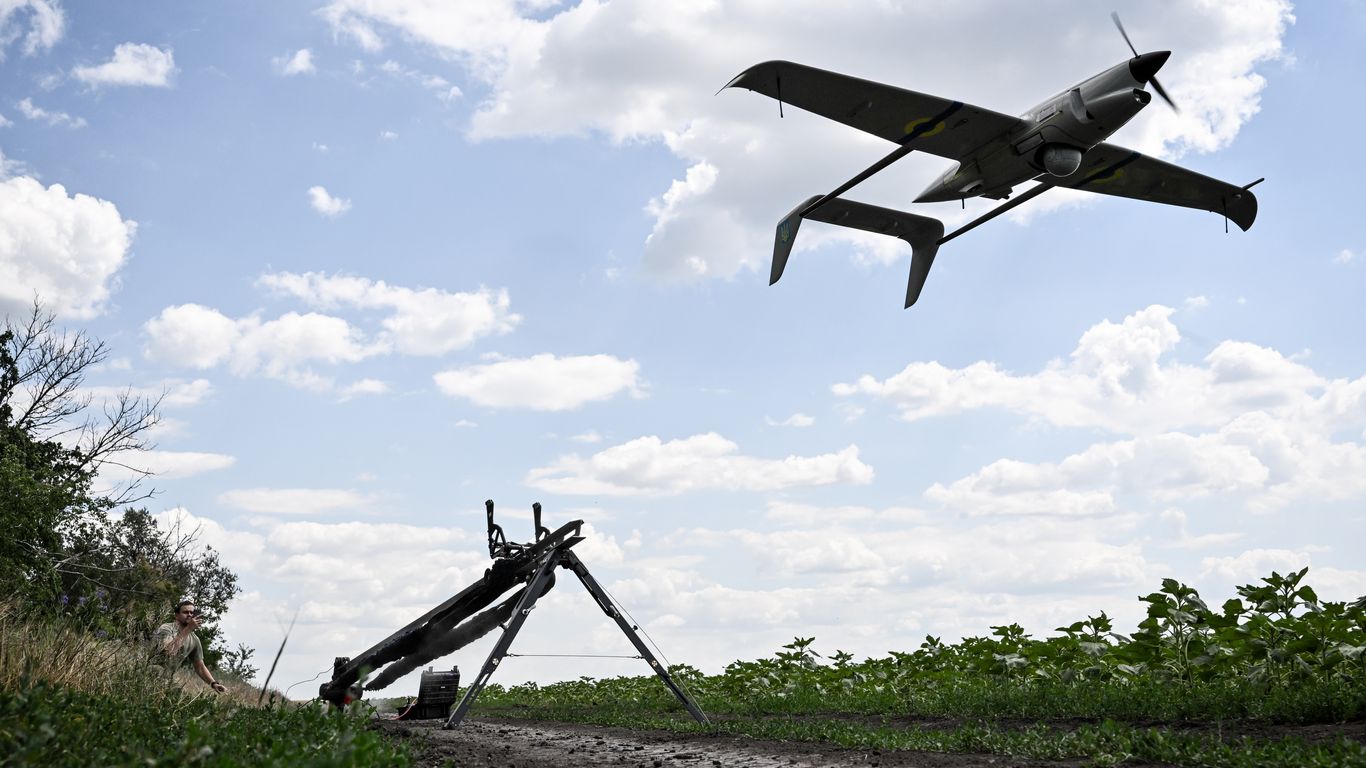
Image via Axios
Ukraine Can Hit Deep in Russia: Energy and Risk Premiums Don’t Get to Relax
Axios reports Ukraine is demonstrating the ability to strike targets across Russia with drones and other systems. That means fewer “safe” zones for refineries, depots, weapons factories, and logistics nodes — and more uncertainty about what gets disrupted next.
Markets care about two channels: energy infrastructure risk and escalation math. You don’t need a sustained supply outage to move crude — you just need repeated proof that assets are vulnerable, plus higher insurance and security costs.
This also hardens negotiating positions. When both sides believe they can impose pain, the timeline to a durable ceasefire stretches, and the geopolitical risk premium becomes sticky instead of event-driven.
📈 Fred's Take: Don’t confuse “no supply shock yet” with “no risk.” Repeated strike capability forces a permanent repricing of energy infrastructure vulnerability, and that shows up in crude volatility, refined product cracks, and defense spending trajectories. If you’re under-hedged energy risk because WTI’s been sleepy, you’re playing chicken with a headline.
📎 Axios
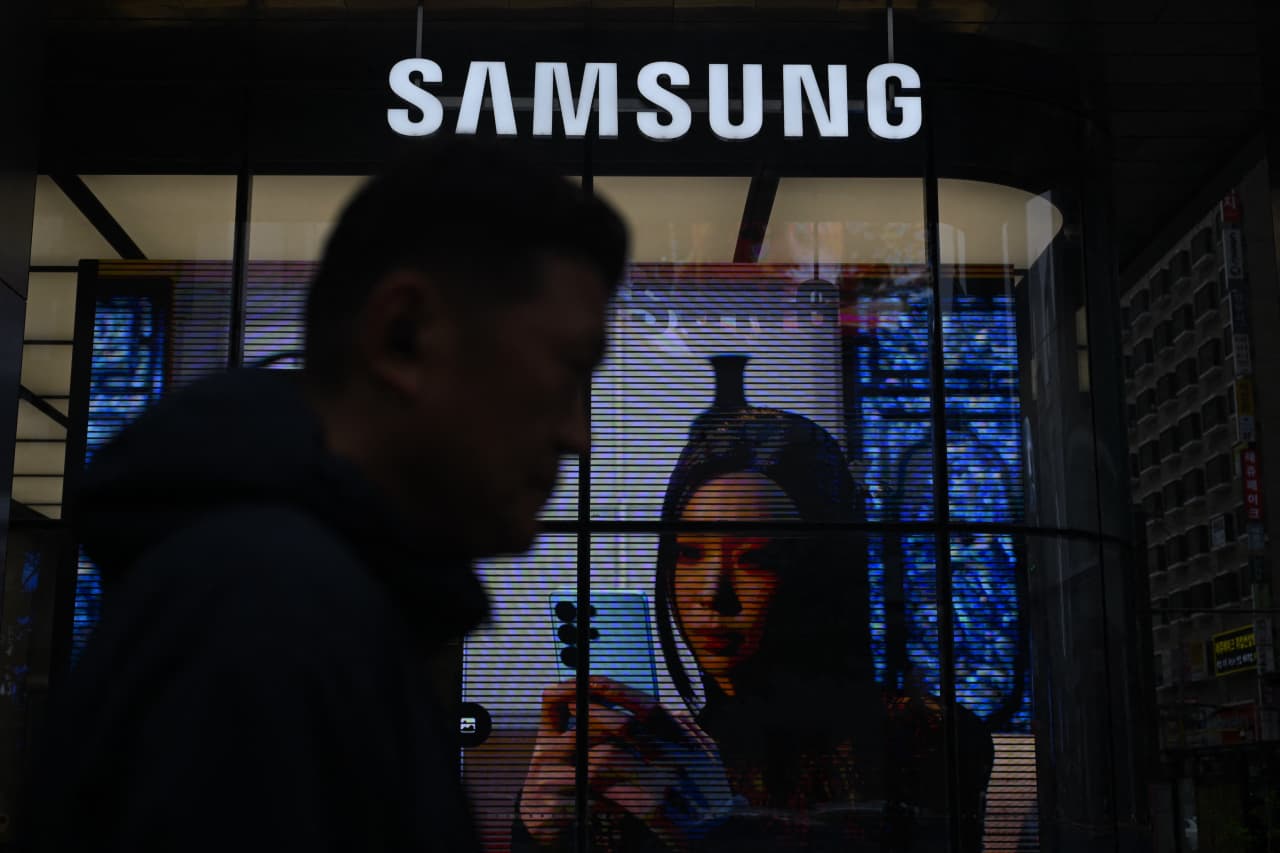
Image via MarketWatch
Korea Whipsaws, Then AI Sparks a Rally: The Samsung-Anthropic Rumor Is a Supply-Chain Trade
Korean equities had a brutal week of volatility, then found a rousing finish on reports of a potential Anthropic-Samsung deal. Even with big year-to-date gains, the market has been showing fatigue — which is exactly when a credible AI partnership headline can ignite the next risk-on burst.
If the deal talk has substance, it’s not just “AI hype.” It’s strategic positioning: model access, on-device inference, memory/packaging demand, and geopolitical insulation by building more of the stack inside friendly supply chains.
The bigger point: Korea trades like a leveraged expression of global tech cycle + FX. When sentiment flips, it flips hard — and retail flows amplify everything.
📈 Fred's Take: This is the trade: AI isn’t only about U.S. mega-caps — it’s about who controls compute, memory, packaging, and distribution. If Samsung is getting closer to a top-tier model shop, that’s a supply-chain moat story, not a one-day headline. But don’t chase gap-ups blindly: Korea’s volatility is telling you positioning is crowded and liquidity is thin — scale in, don’t lunge.
That’s your map. Keep your risk tight into the holiday tape — thin liquidity turns small headlines into big moves. — Fred Frost
— Fred Frost
