Today’s Sponsor
With government debt soaring and inflation still biting, smart investors aren't waiting for volatility to hit — they're preparing now. The Gold Wealth Blueprint breaks down exactly how gold has historically shielded portfolios during periods of fiscal strain and market uncertainty.
Inside, you'll discover why gold moves differently than paper assets, how to use it as a practical hedge, and how to size your exposure without overcommitting. It's concise, actionable, and free — but don't sit on it.
Get the Free Gold Wealth BlueprintBy following the link above, you're choosing to opt in to receive insightful updates from Investor News + 2 free bonus subscriptions. Your privacy is important to us. You can unsubscribe anytime. See our privacy policy for details.

Politics moves price. Today: Treasury buybacks that can backfire, Trump’s Kim meeting tease, crypto rips on a regulation push, Kyiv hit hard, and an SBA tweak that quietly reroutes federal dollars.
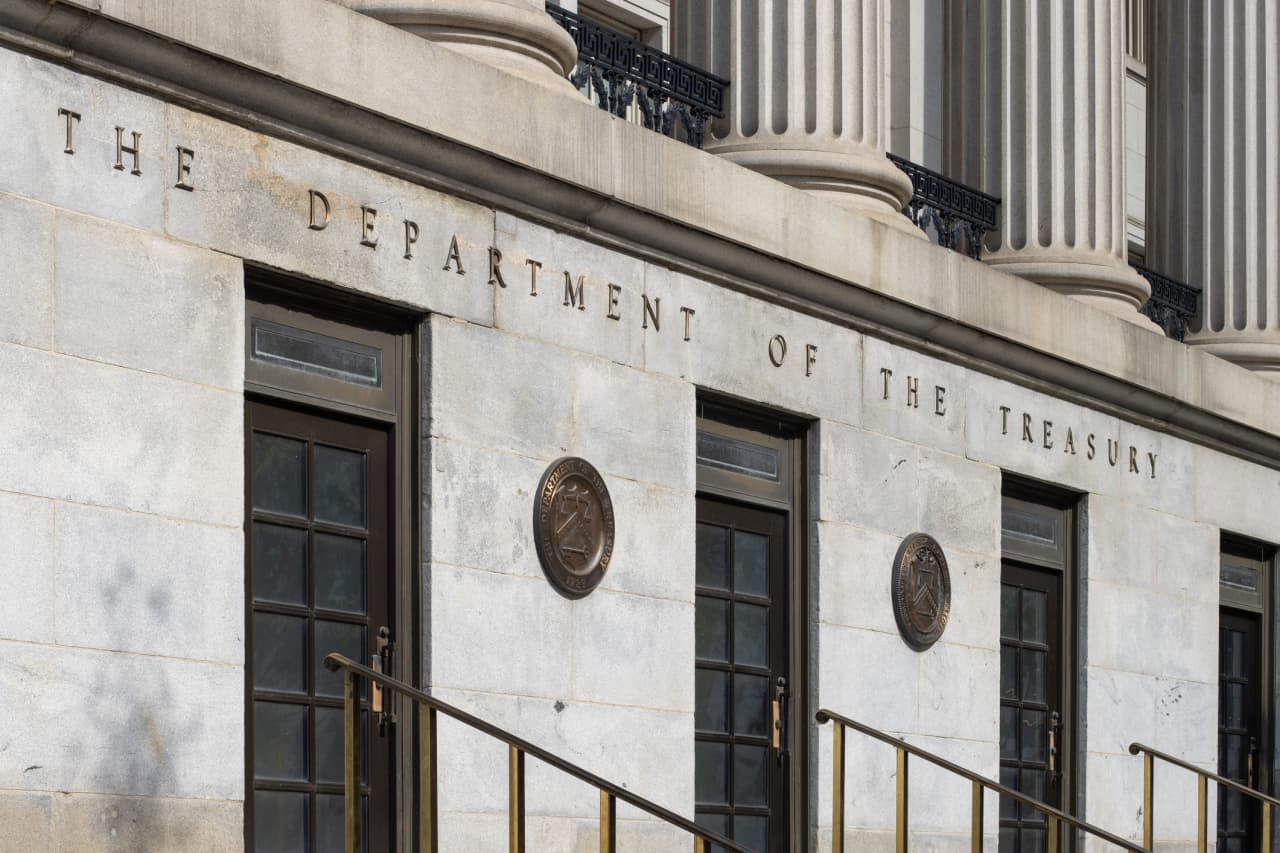
Image via MarketWatch
Treasury buybacks: the “liquidity fix” that can steepen your curve
JPMorgan is warning the Treasury’s buyback blitz could do the opposite of what the cheerleaders expect. Yes, buybacks can improve market functioning in off-the-run issues. But if Treasury uses them as a substitute for smarter issuance, you can end up with less duration where the market needs it, more where it doesn’t, and a term premium that reasserts itself.
The key risk: the program becomes a political headline tool instead of a microstructure tool. If investors start to believe Treasury is managing optics while deficits keep rolling, the market charges for it in the long end. Translation: higher yields, steeper curve, and more volatility around auctions.
📈 Fred's Take: Bond buybacks don’t solve a supply problem; they just rearrange it. If the market smells “financial engineering” on top of structural deficits, you’ll pay more term premium and the 10s/30s can back up even as the front end stays policy-anchored. Investors should lean into curve-steepener logic and keep duration exposure honest: own the front for carry, hedge the long end, and don’t get cute chasing a rally that depends on Treasury theatrics.
Trump teases a Kim meeting: geopolitics as a volatility suppressant
President Trump says he expects to meet with North Korea’s Kim Jong Un this year. The market read is simple: any hint of “talks” is positioned as de-escalation, even when nothing substantive is agreed. That can compress headline risk premiums in Asia for a while.
But these summits are binary. If the optics go well, you get a brief risk-on pulse: Korea FX steadier, defense risk premium fades a touch, and the VIX crowd relaxes. If the talks stall or a test lands mid-cycle, the whole thing snaps back and you reprice geopolitical tail risk in a day.
📈 Fred's Take: Treat the summit chatter like a temporary volatility cap, not a lasting peace dividend. If you’re long risk, this is the kind of headline that can extend a melt-up for a few sessions, especially in Asia-facing cyclicals. But don’t sell your hedges to pay for lunch: the downside is a single missile test away, and markets always overestimate diplomacy’s durability.
📎 NBC News
Crypto rips as Trump pushes the Clarity Act: regulation is the new catalyst
Bitcoin and ether jumped after Trump urged Congress to pass the crypto Clarity Act, a bill aimed at setting a formal regulatory framework. The market loves one word: rules. Not because traders suddenly became civic-minded, but because defined jurisdiction and compliance pathways unlock bigger balance sheets.
This is the institutional setup crypto has been begging for: clearer lines between what’s a security, what’s a commodity, what custody and exchange standards look like, and how enforcement works. If Washington stops improvising via lawsuits, capital costs drop and liquidity improves. That’s bullish for majors, and selectively bullish for listed on-ramps, custody, and infrastructure names.
📈 Fred's Take: Regulatory clarity is a green light for size, not for memes. If this bill has real teeth and survives the sausage-making, BTC and ETH benefit first because they’re the cleanest rails for institutional flows. The trade is to overweight majors and picks-and-shovels, and underweight anything that only works when rules are fuzzy and leverage is cheap.
📎 CNBC

Image via ABC News
Kyiv hit hard: war risk premium isn’t gone, it’s just been mispriced
Ukraine reports a massive Russian missile and drone strike on Kyiv, killing at least 15 and injuring dozens. This is the reminder the market keeps trying to ignore: the conflict can re-intensify on command, and the human tragedy translates into macro shocks through energy, logistics, and European political cohesion.
If attacks scale, you watch three screens: European natural gas, defense procurement headlines, and the euro’s sensitivity to risk-off. The immediate market move is usually a volatility bid and a flight into dollars and duration. The second-order move is more important: higher defense spend, tighter supply chains, and another reason inflation remains sticky in Europe even when growth looks soft.
📈 Fred's Take: Don’t confuse “not trending” with “not a risk.” The base case for markets has quietly become “contained conflict,” and nights like this are how that complacency gets taxed. Keep some geopolitical ballast: a measured allocation to gold, selective defense exposure, and avoid being structurally short volatility in Europe when the headline tape can change the regime overnight.
📎 ABC News

Image via Forbes
SBA eligibility expands: small-business boom or procurement reshuffle?
A new SBA rule change makes about 110,000 more businesses eligible for federal small-business benefits. On paper, it’s pro-competition: more firms qualify for set-asides and support programs, giving smaller contractors a better shot against giants in defense and aerospace.
In markets, this is less about “Main Street vibes” and more about how federal dollars get routed. If eligibility expands meaningfully, you can see margin pressure and slower growth in certain segments of large primes at the edges, while a long tail of specialty suppliers and regional contractors get a demand backstop. It also means more bid activity, more M&A, and more private credit sniffing around government-backed cash flows.
📈 Fred's Take: This is a quiet capital reallocation from megas to the supply chain. The big primes won’t implode, but investors should expect more competitive bidding and less effortless pricing power on smaller programs. The opportunity is in the second-tier ecosystem: niche manufacturers, services, and logistics players that can scale into government demand without carrying the bureaucracy tax.
📎 Forbes
Trade the tape you have, hedge the tape you deserve. See you before the bell.
— Fred Frost
