Today’s Sponsor
A little-known force is now controlling the S&P's price action — and most traders have no idea it exists. A former VP of a trillion-dollar firm has spent years cracking it, and the results speak for themselves: a 79.4% win rate with same-day returns like 176% and 75.4% — up or down market, it doesn't matter.
This isn't mainstream. It won't be on CNBC. But right now, you can get the full breakdown — including how to use this force to target double- and triple-digit moves today. Don't sit this one out.
Get the Free Breakdown NowWe develop tools and strategies to the best of our ability, but we can't guarantee the future. In LIVE trading alerts in real time from 08/23/24 to 3/28/26, the strategy is 54-14, with an overall win rate of 79.4% and an average return (winners and losers included) of 59.3%, with an average winner of 86.8% over a 1-day hold time. Trade at your own risk. By clicking the link above you agree to periodic updates from The TradingPub and its partners. Privacy Policy.

Friday, July 17, 2026. Semis are coughing up gains, but the AI buildout didn’t stop. Geopolitics is hitting barrels, watts, and ballots — and the market is repricing what’s actually scarce.
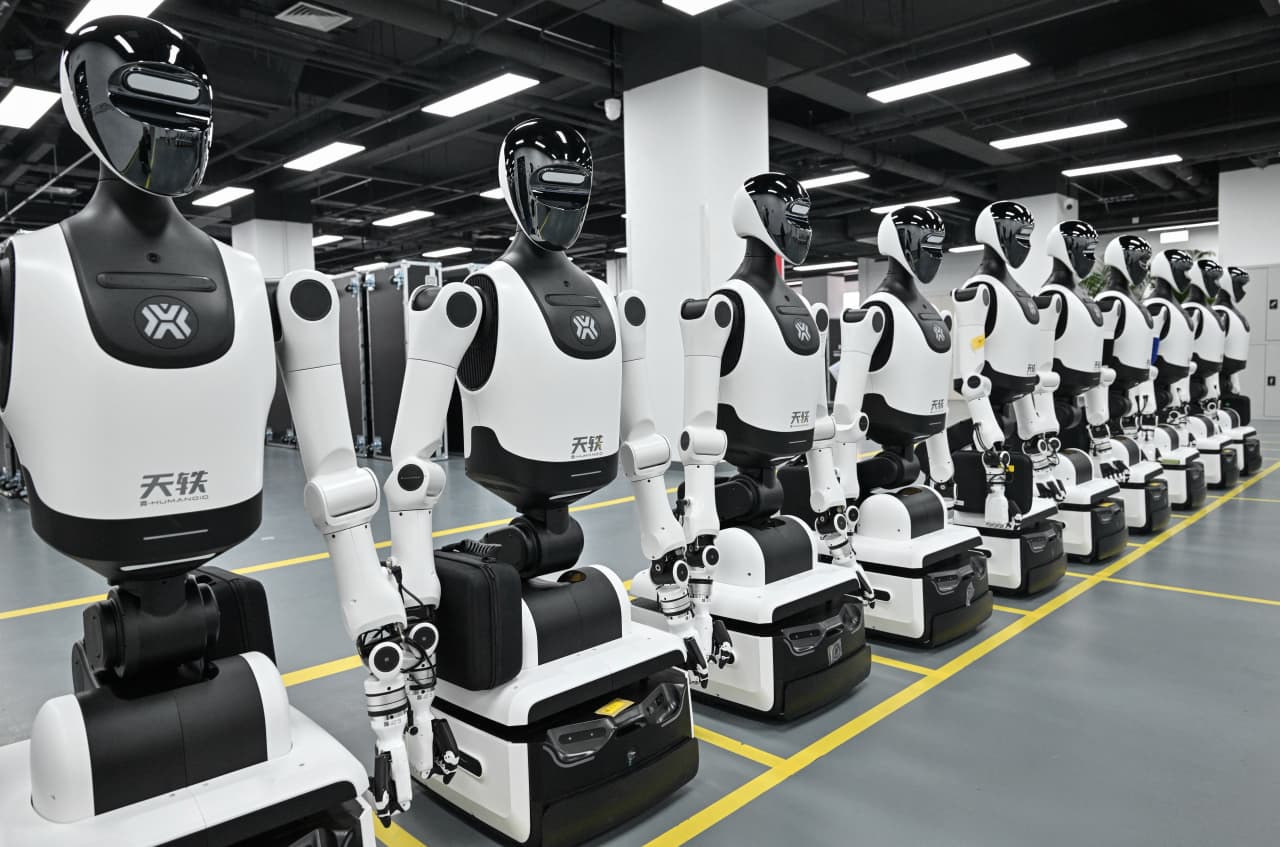
Image via MarketWatch
Semis Slump, But The AI Plumbing Trade Is Still Printing
Semiconductor stocks are finally acting like cyclical semis again: inventory digestion, capex timing, and margin math reasserting themselves. But the AI cycle didn’t die — it just rotated down the stack into the unsexy stuff that has to be built before the next model gets trained.
The winners are the companies selling power delivery, thermal management, electrical gear, and the physical rails of data centers. If you’re adding megawatts and racks, you’re writing checks to power management and cooling before you ever care which GPU is in the box.
My shopping list in that lane is straightforward: Vertiv (VRT) for thermal and power systems, Eaton (ETN) for electrical distribution, and the data center landlords Equinix (EQIX) and Digital Realty (DLR) as the toll collectors on AI demand that doesn’t fit on-prem. If you want higher beta, you can layer in power generators tied to load growth like Constellation Energy (CEG) or Vistra (VST), but size it like an energy trade — not a software trade.
📈 Fred's Take: Chips are the headlines; megawatts are the bottleneck. When the market gets nervous about semis, I’d rather own the picks-and-shovels that get paid whether Model X wins or Model Y wins. The cleanest risk-adjusted AI exposure right now is power, cooling, and colocation — because none of it is optional.
China’s Oil Imports Just Took A War Shock — The Rebound Won’t Be Clean
Reuters flags a sharp drop in China’s oil imports during the Iran war, and that’s not a small data point — it’s the world’s marginal buyer stepping back at the exact moment supply risk is supposed to be screaming higher. Some of that is logistical: shipping, insurance, and routing all get weird when missiles start flying and sanctions enforcement tightens.
The real question is how much is temporary disruption versus demand management. If Beijing is leaning on strategic inventories, throttling teapots, or simply refusing to bid up cargoes while volatility is high, the recovery comes in bursts — not a smooth V-shape.
For markets, this keeps crude in a tug-of-war: geopolitical risk premium up, China spot demand down. That’s how you get violent ranges in Brent and a lot of false breakouts that punish both tourists and leverage.
📈 Fred's Take: Don’t treat “China will come back” as a single trade — it’s a calendar. If imports rebound fast, crude rips and inflation breakevens widen; if they stay soft, oil equities can outperform the commodity as cash flows hold while macro traders sell the barrel. My bias: stay long quality energy balance sheets, hedge the front-month oil whipsaw, and don’t overpay for refinery beta until you see Chinese buying stabilize.
📎 Reuters

Image via New York Post
Iran Can’t Keep The Lights On After Strikes — That’s A Commodity Signal
Iran telling citizens to shut off air conditioners to protect the grid is not just a domestic inconvenience — it’s a flashing red light about infrastructure stress under conflict. Power systems are fragile, and once generation, transmission, or fuel logistics get disrupted, the knock-on effects hit industry, exports, and internal stability.
This matters because energy markets don’t price “war” — they price export continuity. Grid strain raises the odds of forced curtailments, emergency rationing, and cascading outages that slow production and complicate port and pipeline operations.
The immediate market read-through is higher tail risk in crude and products, plus a bid in LNG and distillates if regional power gen starts leaning harder on whatever fuel is available. It also adds a cyber angle: grids are targets, and cyber premiums show up late — after the first real incident.
📈 Fred's Take: This is how commodity shocks start: not with a headline about reserves, but with a grid that can’t handle peak load. I’d keep some inflation insurance on — energy equities and a slice of gold — and I’d fade any market move that treats this as “contained” until shipping and export flows prove it. The upside in volatility is still underpriced.

Image via The Hill
Trump Says China Meddled; Beijing Says “Fake” — Markets Hear “More Friction”
China is publicly rejecting President Trump’s claim that it interfered in the 2020 election, calling it fabricated. That’s predictable diplomacy — deny, dismiss, move on. But in markets, the content matters less than the trajectory: the U.S.-China relationship keeps reloading politically sensitive narratives.
Campaign-season accusations are rarely standalone. They become justification scaffolding for tougher trade actions, tighter tech controls, and a broader “national security” umbrella that hits supply chains and cross-border capital.
The risk isn’t a single statement; it’s policy creep: more export restrictions, more inbound screening, and more corporate guidance that sounds like “we can’t plan the next two quarters.” That’s a multiple compression recipe for anything with China revenue concentration.
📈 Fred's Take: When politicians start arguing about interference, investors should translate it into tariffs, bans, and compliance costs. This is bearish for China-exposed U.S. megacaps at the margin and supportive for onshoring winners and defense-tech. Keep your international diversification, but don’t be lazy about revenue geography — China beta is back to being a headline risk, not a valuation perk.
📎 The Hill
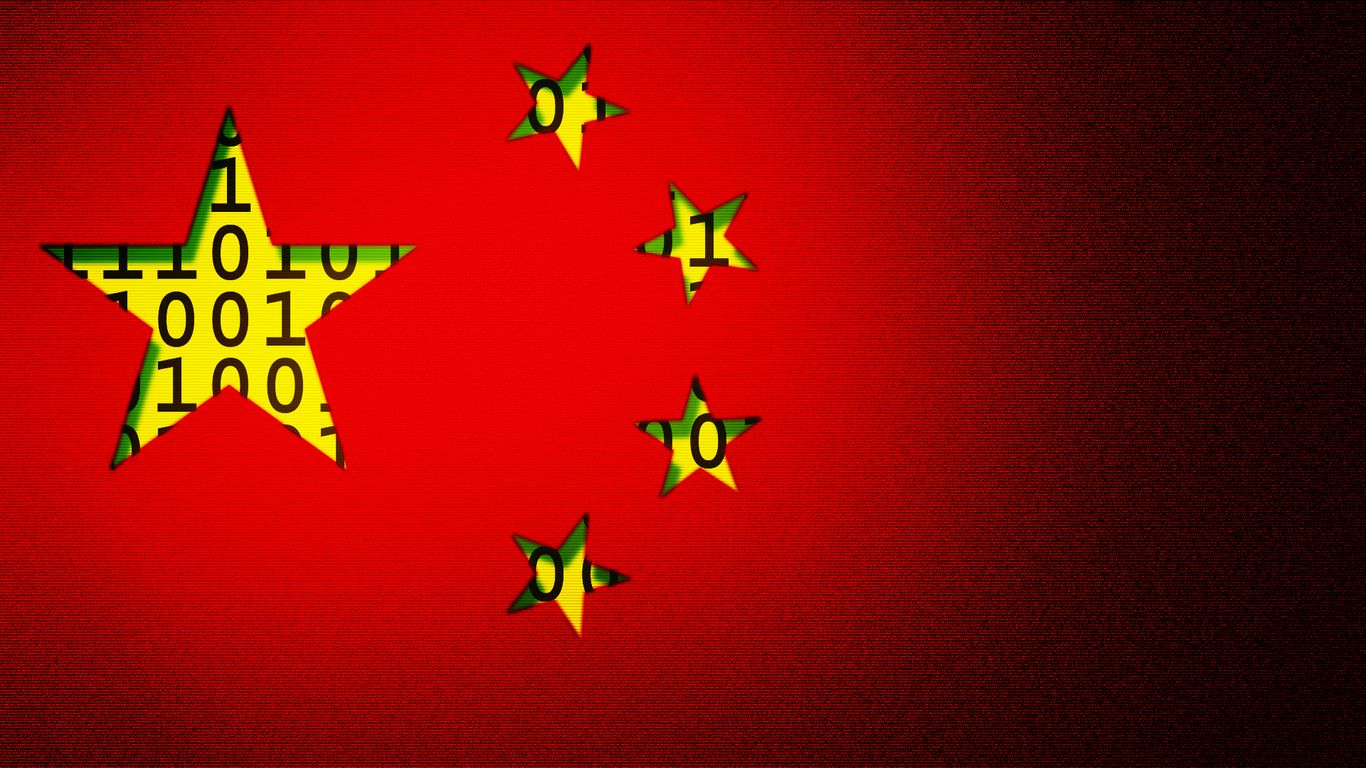
Image via Axios
China’s New Model Just Compressed America’s AI Moat — The Trade Shifts Again
Axios argues the U.S. lead in advanced AI isn’t commanding anymore, with a Chinese open-source surge closing the gap fast. That’s the real strategic change: when frontier capability diffuses, the value migrates away from “who has the best model this month” toward compute, distribution, and proprietary data.
Open-source parity is a margin event. It pressures the pricing power of closed model providers and forces hyperscalers to compete harder on infrastructure, bundling, and enterprise integration. The winner isn’t automatically the company with the fanciest demo — it’s the company that can deliver outcomes cheaply and securely at scale.
It also tightens the policy vise. If Washington believes the frontier is no longer protected by know-how, it leans harder on chips, cloud access, and model controls — which means more regulatory drag and more sudden rule changes for the whole AI supply chain.
📈 Fred's Take: If models are getting commoditized, stop paying infinite multiples for “exclusive intelligence.” The durable edge becomes: cheapest reliable compute, best distribution, and unique data pipelines — plus the power to run it all. Translation for portfolios: own infrastructure and enablers, be selective on pure-play model narratives, and expect higher geopolitical volatility premia across the entire AI complex.
📎 Axios
That’s the board. Trade the bottlenecks, hedge the headlines, and don’t confuse innovation with pricing power. See you before the bell.
— Fred Frost
