Today’s Sponsor
The Fed held rates, inflation is still above target, and uncertainty is rising — that means the "buy anything AI" trade is over. Smart money is rotating fast toward the companies actually building AI infrastructure: chips, cloud capacity, and mission-critical data tools. Big Tech alone is projected to spend $635B–$665B on AI in 2026 — and not all of it is going where most investors are looking.
We've identified 9 AI stocks worth watching right now — including a lesser-known chip name tied to U.S. AI infrastructure, a cloud player with improving setup, and a data analytics company with government exposure. This isn't hype. It's about following where capital is actually being deployed.
Get the Free Report NowBy clicking the link above, you will receive this free report and a free subscription to the StockEarnings daily email newsletter. You are also agreeing to the terms of our Privacy Policy. Unsubscribe at any time.

Politics is pushing people, AI is pulling capex, yields are tightening the screws, Apple is flashing demand risk, and a Cat 3 is about to reprice Florida.

Image via Fox Business
Gen Z Bails on California, Texas Cashes the Check
California just posted the biggest net Gen Z loss in the country, bleeding more than 58,000 young adults. The driver isn’t mystery-meat politics or vibes. It’s math: rent, taxes, insurance, and the cost of starting a life all went vertical.
Texas is still the big magnet because it combines jobs with lower living costs, but the sleeper headline is South Carolina leading the nation in net Gen Z gains. That’s a signal: the next wave is less “big city” and more “affordable growth corridor” — where a paycheck actually turns into a down payment.
This migratory map becomes a capital map. More young workers means more household formation, more apartment absorption, more starter-home demand, more local bank loan growth, and more state tax receipts. The reverse happens where young people leave: the tax base ages, services get more expensive, and the politics get even more punitive to the remaining earners.
📈 Fred's Take: This is a slow-motion trade: long the Sun Belt balance sheet, short the high-tax, high-regulation story. Watch municipal credit and insurance costs in California — they’re the canary, not the equity market. If you want the clean expression, it’s regional banks, homebuilders, and infrastructure exposure tied to TX/SE migration flows, not coastal “trophy assets” that depend on permanent demand.

Image via The Hill
AI Capex Is Juicing GDP — Until Yields Break It
The AI buildout is behaving like a classic investment boom: hyperscalers pour money into data centers, chips, power gear, and fiber, and the spending ripples into construction, industrials, and high-end services. In a world that’s been starved for productivity gains, the AI capital cycle is acting like a temporary growth engine.
But the bond market is the toll booth. As Treasury yields surge, the discount rate rises, project hurdle rates climb, and every “long duration” cash flow story gets repriced. The same economy that looks hot on capex can look fragile on financing, especially when the buildout leans on leverage, vendor financing, or long-payback infrastructure.
The market implication is two-speed: near-term demand for compute and power equipment stays strong, while the equity multiple on the beneficiaries can still compress if yields don’t cooperate. Investors keep confusing “strong spending” with “strong stock performance.” Those are different trades.
📈 Fred's Take: AI is real growth, but the bond market decides the valuation you’re allowed to pay for it. If yields keep ripping, the winners shift from pure software-multiple dreams to cash-generating picks-and-shovels with pricing power and short payback cycles. Don’t fight the curve: when rates tighten, you own balance sheets, not narratives.
📎 The Hill
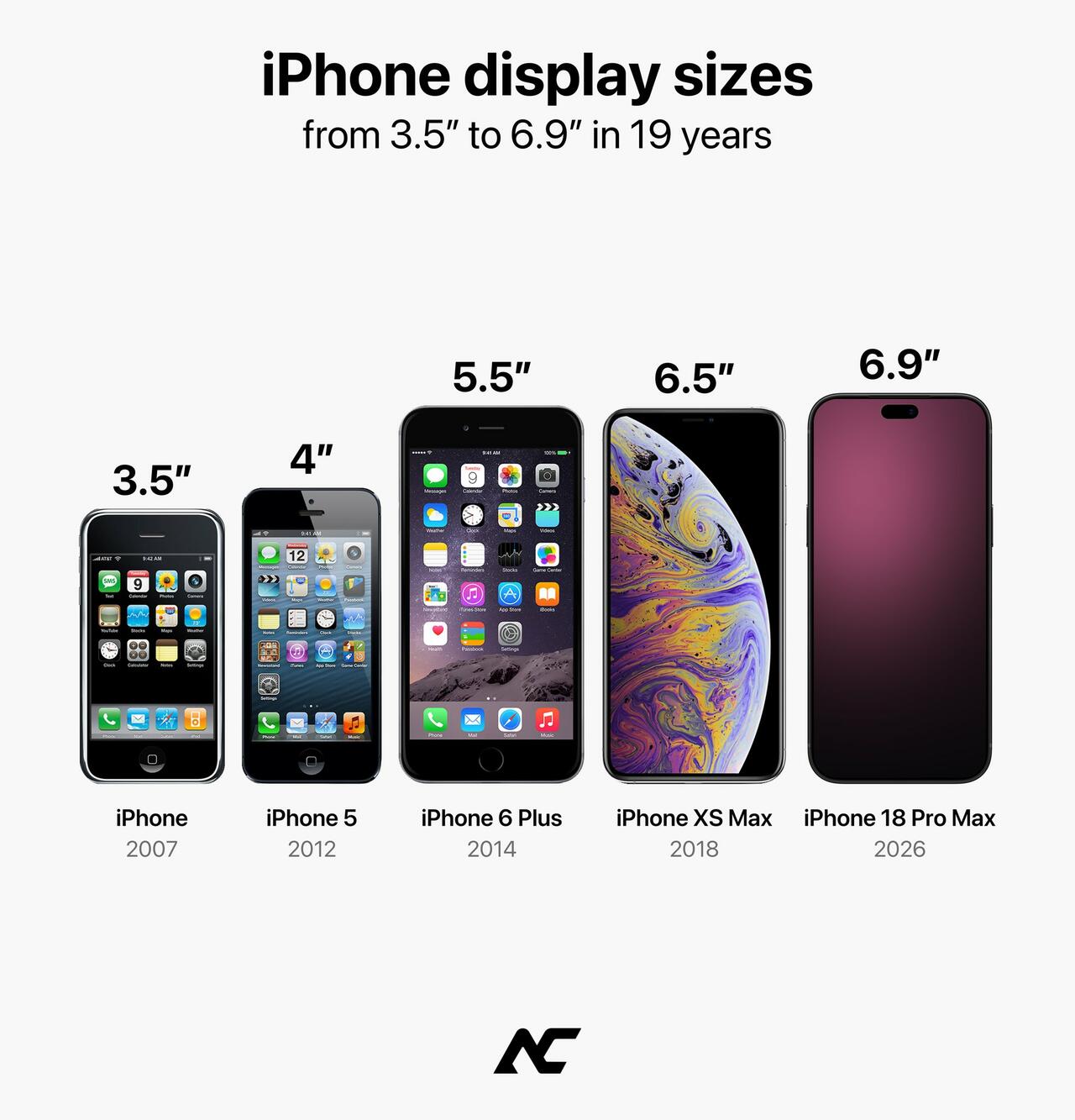
Image via ZeroHedge
Apple Blinks: iPhone 18 Pro Orders Cut, Demand Risk Back on the Tape
Reports of Apple suppliers seeing slashed iPhone 18 Pro component orders is the kind of leak that usually shows up when channel checks turn ugly. Analysts have already been flagging softer demand, and this adds fuel: Apple may be managing inventory ahead of a less enthusiastic upgrade cycle.
The setup matters because Apple isn’t just a phone company. It’s a consumer confidence proxy, a China exposure proxy, and a mega-weight in every index and passive flow. When Apple wobbles, it tightens financial conditions through the equity channel even if the broader economy is fine.
If demand is rolling over at the high end, the knock-ons hit semis, component makers, and the whole “premium consumer” cohort. It also reignites the question the market hates: are we late-cycle with rates high enough to finally break discretionary spending?
📈 Fred's Take: Treat this as a risk-off tell, not a one-day headline. Apple doesn’t need a collapse to hurt portfolios — it just needs “good” to turn into “not great” while yields stay elevated. If you’re long the mega-cap complex, this is your reminder to hedge duration risk and stop pretending index weight is the same thing as safety.

Image via ABC News
Hurricane Isaias Targets the Panhandle: Utilities, Insurers, Gas, and the Monday Gap
Isaias is a Category 3 aimed at Florida’s Panhandle with landfall expected Friday evening. That timing is brutal: you get the storm damage and disruption over the weekend, then markets reopen Monday with a clean repricing window and fresh loss estimates.
Near-term impacts are predictable: utility outages, refinery and port disruptions along the Gulf, shipping delays, and a spike in local fuel demand. The financial impacts are where it gets interesting — reinsurance pricing, catastrophe bond spreads, and the ongoing pressure on Florida’s already stressed property insurance complex.
Politically, every major storm becomes a fiscal headline. Disaster declarations, emergency spending, and rebuilding contracts hit the tape fast. The market listens because deficits are already loud and yields are already jumpy.
📈 Fred's Take: Cat storms aren’t black swans anymore — they’re a recurring line item, and the market still underprices the second-order effects. Watch insurers and reinsurers first, then utilities, then any Gulf Coast logistics and energy names exposed to downtime. And keep an eye on Treasuries: another round of disaster spending is small in isolation, but it lands in a market that’s hypersensitive to supply and deficits.
📎 ABC News

Image via France 24
AFCON Final in Arbitration: A Tiny Sports Case With Real Money Shadows
Morocco and Senegal are waiting on the Court of Arbitration for Sport after a long-delayed hearing tied to the decision awarding Morocco the AFCON outcome Senegal is contesting. On the surface it’s sports governance. Underneath, it’s reputational capital, sponsorship economics, and event-hosting credibility for two countries that care about foreign investment optics.
These rulings matter because major tournaments aren’t just trophies. They’re tourism receipts, infrastructure spend, security contracts, and broadcast money — and they set the tone for future hosting bids. A messy, disputed outcome creates friction with sponsors and broadcasters, and it can chill the willingness to underwrite events in the region.
For markets, Africa rarely moves global indices, but the flow-through hits are real: local currencies around event cycles, sovereign perception, and the risk premium on tourism and infrastructure projects. When institutions look for excuses to stay on the sidelines, governance disputes are convenient excuses.
📈 Fred's Take: This won’t move the S&P, but it does move the soft underbelly of frontier investing: trust. If the verdict looks politicized or chaotic, you can expect a higher risk premium on regional sponsorships, tourism plays, and anything that relies on predictable rule-of-law optics. The trade is simple: governance clarity lowers financing costs; governance drama raises them.
That’s the board. Trade what changes, hedge what doesn’t, and respect the bond market — it’s running the show.
— Fred Frost
