Today’s Sponsor
Nuclear energy stocks surged 40%+ this year as the next buildout cycle accelerates toward 2026. One uranium producer just generated nearly $200 million in quarterly free cash flow, while other nuclear companies locked in massive government contracts—all driven by real earnings and exploding demand as U.S. capacity is projected to triple.
Our analysts identified 7 nuclear stocks positioned to capitalize on this trend right now. Some offer explosive upside tied to uranium prices, others provide steady growth from infrastructure contracts. Get the complete list with names and tickers free today—but this report moves behind the paywall soon.
Get the Free ReportBy clicking the link above, you will get this free report and a free subscription to MarketBeat's daily email newsletter. You are also agreeing to the terms of our privacy policy. Unsubscribe at any time.

SpaceX mania meets passive flows. Hormuz risk premium may evaporate by Friday. New Fed chair walks into 4.2% inflation. Microsoft tries to cool the AI jobs panic. Nikkei at 70,000 with a BOJ hike in the chamber.
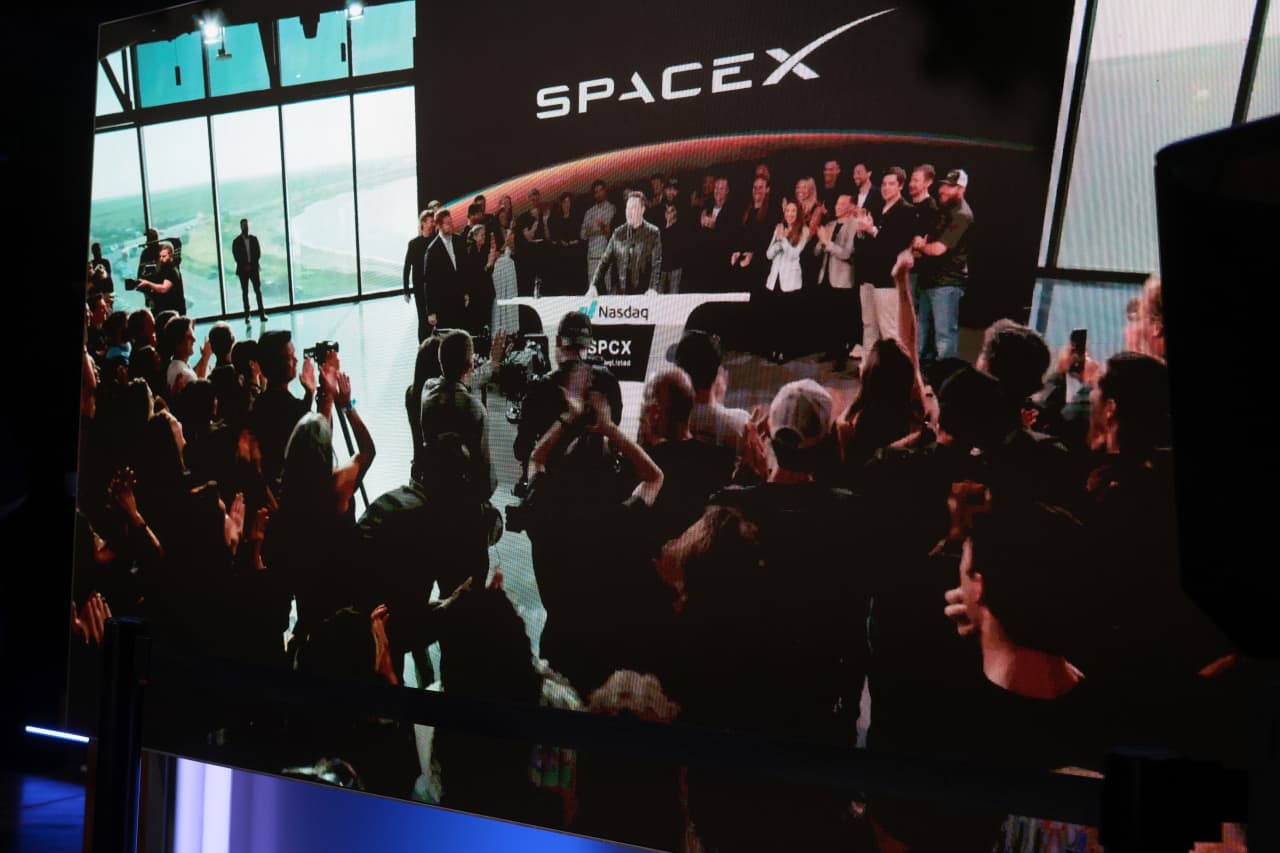
Image via MarketWatch
SpaceX squeezes past Amazon — and the tape is doing the talking
SpaceX is now bigger than Amazon on paper after an overnight pop that’s got all the fingerprints: tiny free float, retail momentum, hot headlines, and index/passive demand forced to chase. Since listing, the stock is up roughly 60% — and the velocity matters more than the valuation math right now.
When a company has limited tradable shares, price becomes a function of flows, not fundamentals. Every incremental buyer moves the market, and every passive vehicle that has to own it becomes gasoline. That’s great until it isn’t — because the unwind is just as mechanical as the squeeze.
📈 Fred's Take: Treat this like a flow-driven momentum event, not a “new mega-cap core holding.” If you’re long, you’re trading liquidity and positioning — tighten risk and don’t confuse a passive bid with durability. If you missed it, don’t chase a low-float rocket ship; wait for the first real downdraft and see if the bid survives without forced buying.
Trump says Hormuz fully open Friday — oil’s risk premium is on the clock
From the G7, President Trump says the Strait of Hormuz will be fully reopened by Friday, with demining underway, and he’s pitching an Iran deal as a global win. If the shipping lane normalizes, the market’s immediate question is simple: how much “war insurance” is still embedded in crude, products, and freight.
Energy is the fastest macro transmission line into everything else: headline CPI, consumer confidence, airline margins, and the rate path. Even the promise of smoother flows can pull volatility out of the front end of the curve — but only if traders believe it and insurers price it in.
📈 Fred's Take: If Hormuz really reopens on schedule, crude should leak lower and breakevens should cool — that’s a direct tailwind for duration and rate-sensitive equities. The trade is “remove the geopolitical premium,” not “peace is solved.” I’d fade panic-long oil into confirmation and look for a bid in Treasuries and quality growth if energy stops pushing inflation prints higher.
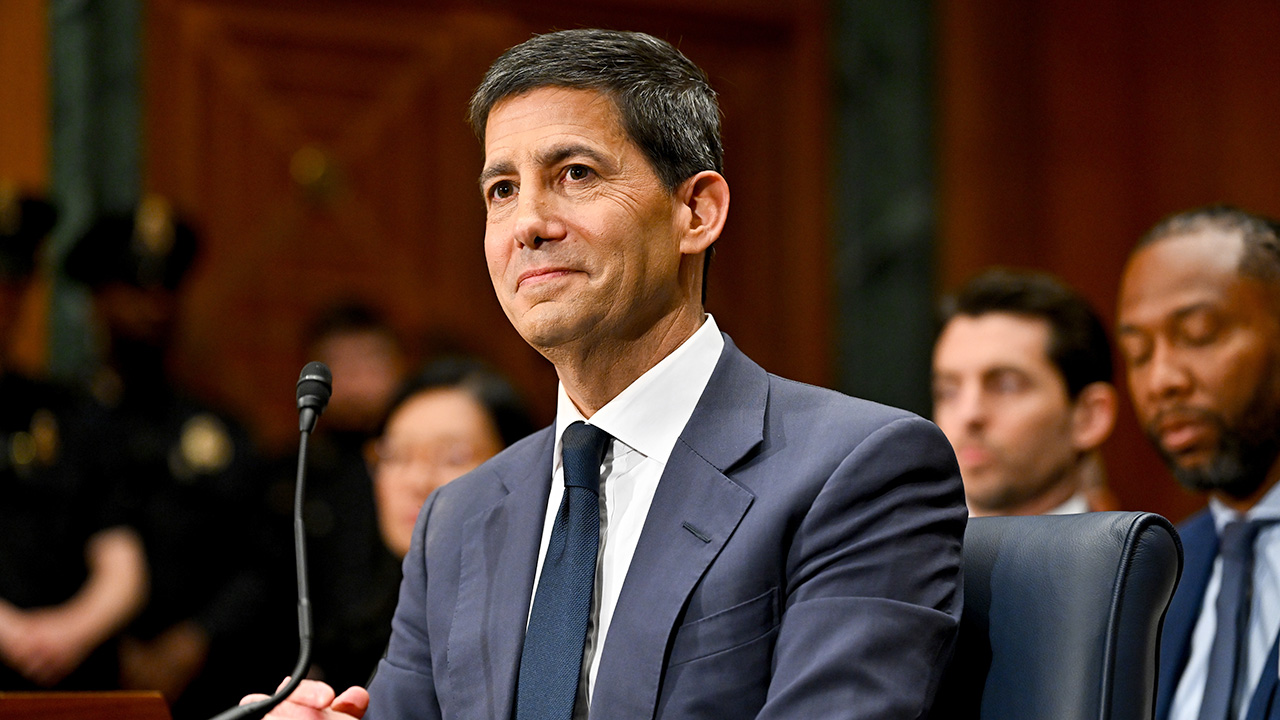
Image via Fox Business
Warsh’s first Fed podium: 4.2% inflation, no cuts, and zero room for cute messaging
The Fed is expected to hold rates steady, but the story is inflation back at 4.2% and the optics of a new chair, Kevin Warsh, stepping into his first press conference with the market still hoping for cuts. That hope is getting harder to justify with price pressure re-accelerating and the Fed’s credibility always one bad CPI away from a tantrum.
The bigger issue is communication risk. A new chair’s first presser is where tone becomes policy. If Warsh leans hawkish to re-anchor expectations, financial conditions tighten on his words — dollar up, long yields up, multiples down — even without a rate move.
📈 Fred's Take: Cuts are off the table until inflation breaks, full stop. If Warsh tries to “thread the needle,” markets will do what they always do to ambiguity: punish it with volatility. Position like higher-for-longer is the base case — favor cash-flow, shorter duration, and don’t pay peak multiples for stories that need falling rates to work.
Image via Axios
Microsoft to America: don’t panic about AI jobs — translation: keep building, keep hiring
Microsoft president Brad Smith is pushing back on the apocalyptic AI job narrative, calling out grandiose warnings from tech leaders that are spooking the public. His argument: the AI transition is real, but it’s also a workforce opportunity if training and adoption happen at scale.
This isn’t just PR — it’s policy positioning. When the public feels threatened, Washington reaches for regulation, taxes, and headline-grabbing restraints. Microsoft is trying to keep the Overton window on “enablement and reskilling,” not “moratoriums and crackdowns.”
📈 Fred's Take: This is Microsoft protecting the runway for AI capex and enterprise rollout — and that’s bullish for the whole picks-and-shovels stack (cloud, semis, data centers, power). The market risk isn’t the tech; it’s the politics around displacement. If the narrative shifts from “productivity boom” to “job loss crisis,” expect a regulatory premium to hit big tech multiples fast.
📎 Axios
Image via AP News
Nikkei 70,000 with a BOJ hike ahead: Japan’s party is now a rates story
Asian equities are mostly higher, led by Japan as the Nikkei tops 70,000 ahead of an expected Bank of Japan rate hike. That’s a milestone level — but the more important move is under the hood: Japan is exiting the old world of permanent suppression, and markets are relearning how to price Japanese duration and currency risk.
A BOJ hike tightens global liquidity at the margin because it changes capital flows. If Japanese yields rise and the yen strengthens, you can get repatriation out of foreign bonds and a different bid structure for U.S. Treasuries, credit, and even U.S. mega-cap equities that have been the default global parking lot.
📈 Fred's Take: Watch USD/JPY more than the Nikkei headline. A sustained stronger yen is a pressure point for the global “short yen / long risk” playbook and can quietly tighten conditions worldwide. If BOJ follows through and signals more, expect turbulence in global duration and a rotation inside Japan from pure momentum to balance-sheet quality.
📎 AP News
That’s the map before the open: flows are driving SpaceX, geopolitics is setting the oil timer, and the Fed chair’s first presser is a volatility catalyst. Trade the implications, not the narratives. — Fred Frost
— Fred Frost
