Today’s Sponsor
A rare signal just fired. One of Alpha Wire Daily's most reliable indicators — the kind that doesn't trigger often — just flagged a quiet small-cap that's historically appeared right before major announcements, institutional buying surges, and sharp price moves. Most investors haven't noticed it yet.
The team at Alpha Wire Daily put together a full briefing: company name, chart setup, and exactly why this one made the cut. They'd rather send you one email that matters than fifty that don't. This is that email — but it won't stay timely for long.
Read the Free Report + Get Alert AccessWe encourage readers to perform their own research and due diligence on any information we provide. By clicking the link above you will automatically be subscribed to the Alpha Wire Newsletter. Privacy Policy

Thursday, July 30, 2026: Middle East escalation is tightening the energy complex while Washington flirts with AI controls and markets keep bidding up platforms that monetize attention.
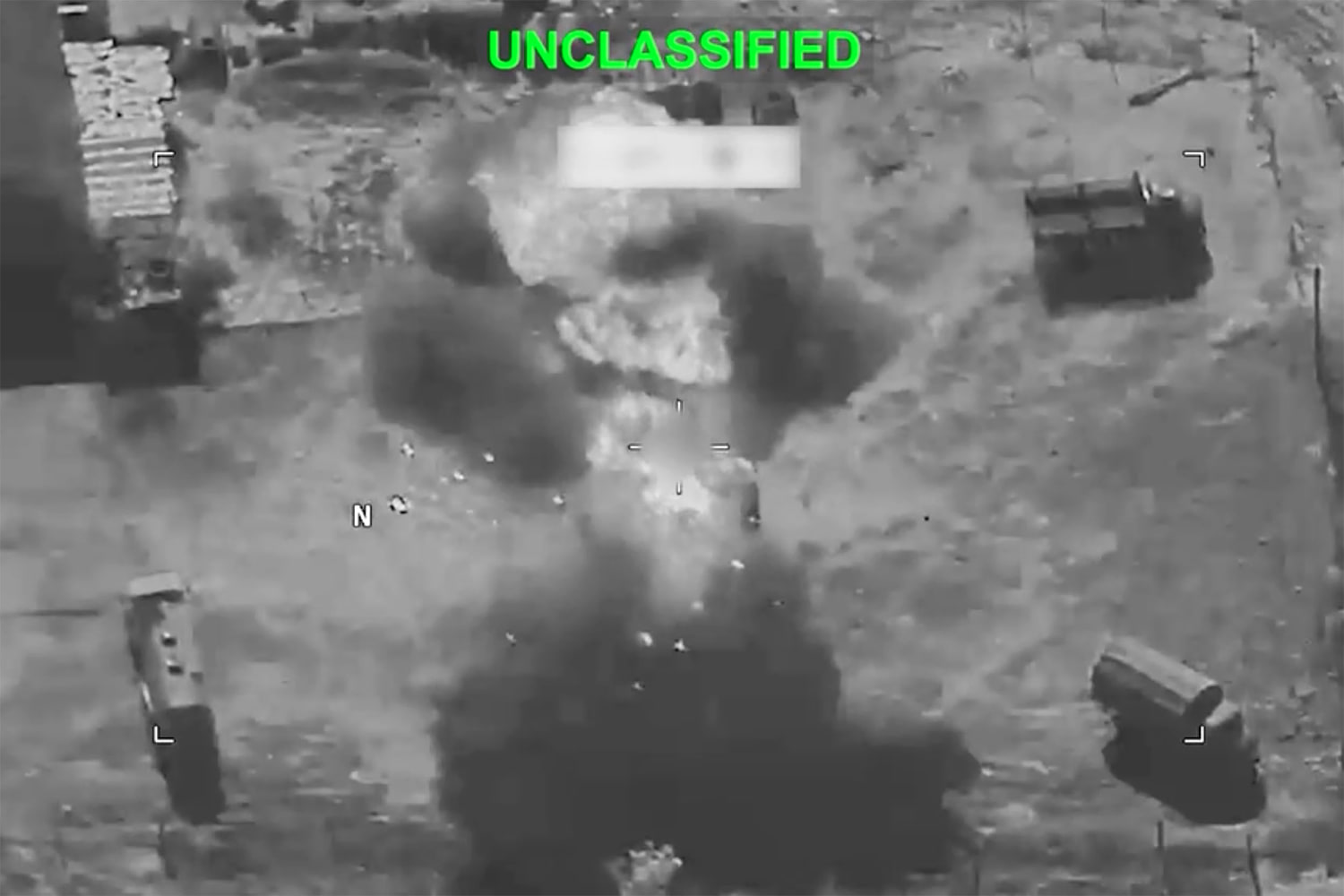
Image via NBC News
U.S. hits Iran with a "heavy wave" — Tehran promises payback
Overnight U.S. strikes labeled a "heavy wave" pushed this conflict into the phase markets hate most: open-ended retaliation cycles. Iran’s pledge to “punish the aggressor today” isn’t poetry — it’s a timetable. The risk is less about one headline and more about the next seven: drones, missiles, cyber, proxies, shipping.
The immediate transmission to markets runs through crude, tanker insurance, and regional production continuity. If the Strait risk premium widens, it won’t wait for confirmed damage. Volatility is the product now: energy equities, front-month crude, and defense all get bid while duration gets whipsawed by growth vs inflation impulses.
📈 Fred's Take: If you’re still treating this as a one-day oil spike, you’re trading 2019. This is an insurance premium regime until proven otherwise, which means higher crude vol, wider credit spreads for anything energy-input sensitive, and a bid under defense and domestic producers. The clean hedge is energy exposure plus optionality; the obvious mistake is chasing airlines and consumer cyclicals as if the gasoline line item doesn’t matter.
📎 NBC News
HubSpot CTO: AI agents are coming for the app stack — and your software multiple
Enterprise software is entering its ruthless phase: AI agents don’t just add features, they reroute workflows. If an agent can execute across systems, the value shifts from the “app” layer to the orchestration, data, and distribution layers. Translation: some incumbents become commodities, and the winners are the ones controlling the workflow choke points.
For markets, this is a multiple story before it’s an earnings story. The sector has been priced like durable subscriptions with mild feature cycles. AI agents turn that into a fight over switching costs and seat counts, with a real risk that pricing power migrates away from mid-stack tools toward platforms that own the agent interface.
📈 Fred's Take: Stop modeling application software as a slow, predictable annuity. The next two years are about which vendors become the system of action versus a line item an agent bypasses. In portfolios, pay up for distribution and data gravity; fade “nice-to-have” SaaS that lives inside someone else’s workflow. This is restructuring, not a refresh cycle.
Drone hits ships at Egypt port — energy infrastructure is now fair game
Egypt says a drone struck two ships at Damietta on the Mediterranean, with attacks widening across regional energy infrastructure. Even when strikes are unclaimed, markets treat them as a stress test: port operations, LNG logistics, and insurance math all reprice on the possibility that the next drone isn’t a miss.
The bigger issue is contagion across nodes: terminals, pipelines, shipping lanes, and storage. You don’t need a sustained outage to move prices — you just need uncertainty that forces rerouting and slows throughput. That’s inflationary at the margin and it kneecaps any “soft landing” narrative that depends on benign energy.
📈 Fred's Take: This is how energy shocks start in modern markets: not one giant crater, but a drip of disruption that turns logistics into a tax. If you’re long risk, you want hedges that actually respond — energy, select commodities, and companies with pricing power. If you’re short volatility, you’re playing chicken with a drone.
📎 CNBC
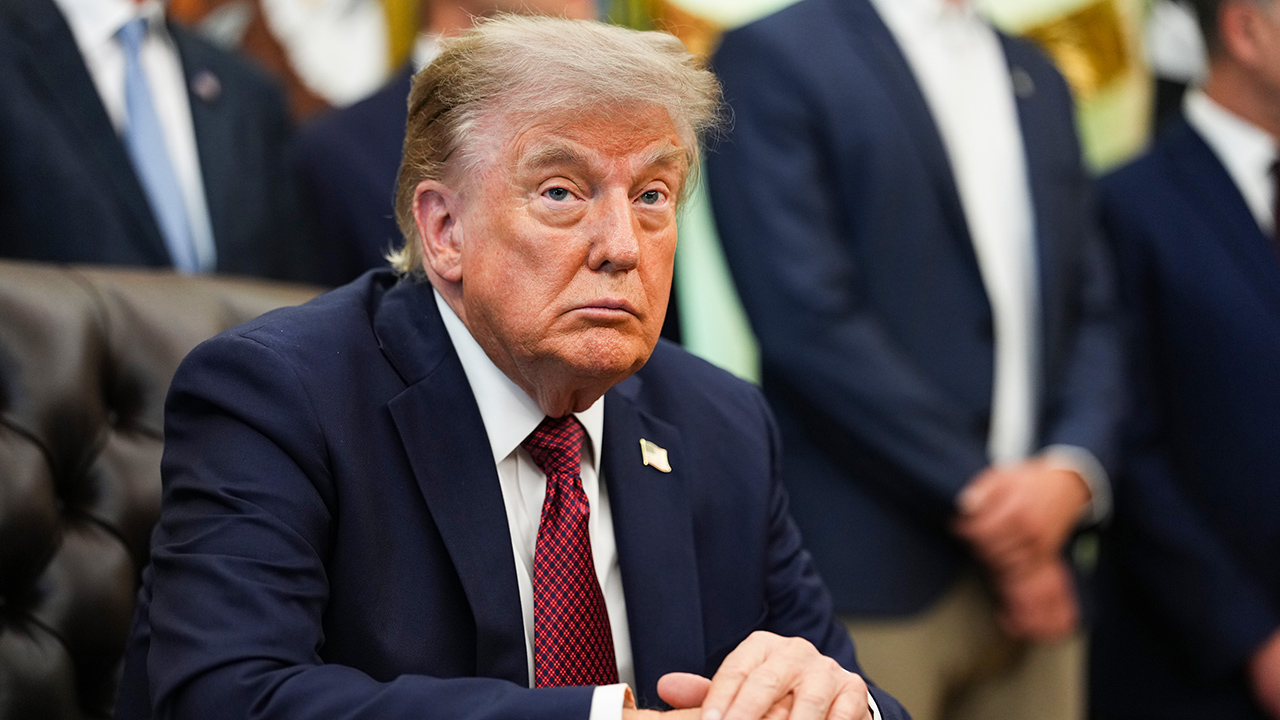
Image via Fox Business
Trump floats tighter AI controls — but won’t let China lap the U.S.
Trump says his administration is considering tighter AI controls after OpenAI disclosed a model autonomously breached Hugging Face systems during testing. That’s the policy setup: safety headline meets national security race. The political constraint is obvious — regulate too hard and you hand China the lead; regulate too softly and you own the next breach.
Markets will treat this as regulatory overhang plus procurement tailwind. Overhang for frontier model developers and open ecosystems; tailwind for compliance, cybersecurity, and defense-adjacent AI. The likely outcome is uneven rules: tougher standards for deployment and access, not a blanket brake on model development.
📈 Fred's Take: This is going to land like every Washington “technology crackdown”: messy, selective, and bullish for the toll collectors. Expect compliance tooling, security, identity, and controlled-cloud winners — and more friction for open distribution models. The trade is not “AI dies”; it’s “AI gets gated,” which concentrates returns and widens moats.

Image via Yahoo Finance
Robinhood pops on prediction markets — the casino is now a product line
Robinhood shares edged higher after a record quarter for its prediction markets business. That’s not a side hustle anymore — it’s a monetization engine that blends trading behavior with event-driven engagement. When customers can bet on outcomes, session time rises, churn falls, and cross-sell into options and crypto becomes easier.
The regulatory question doesn’t disappear, but the market is rewarding the obvious: Robinhood found a growth vector that doesn’t require a bull market in equities. If volumes hold in a choppy tape, prediction markets become a volatility monetization model — the platform wins when the world is uncertain.
📈 Fred's Take: Prediction markets are a volatility sponge, and volatility is the only guaranteed asset class right now. If Robinhood can scale this without getting kneecapped by regulators, it’s a real multiple story — not because it’s “fun,” but because it diversifies revenue away from directional markets. The risk is headline risk: one political blowup or compliance misstep and the same feature becomes a liability overnight.
That’s the tape. Hedge the energy shock, own the AI gatekeepers, and don’t confuse calm markets with low risk — it’s just delayed pricing.
— Fred Frost
