Today’s Sponsor
History shows a clear pattern: the investors who recognized the exact inflection point in the dot-com boom pocketed 400–800% gains in 18 months. Those who spotted the same moment in cloud computing saw 300–600% returns. Based on 50 years of market data, that same moment is happening right now — and the acceleration phase has already begun.
This free 7-page report reveals where we are in the current megatrend cycle, why the next 18 months are critical, and how to position yourself before the window closes. Don't be the investor who enters too late.
Get the Free ReportBy clicking 'Get the Free Report' you are automatically subscribing to Darwin Investor Network and will receive a free subscription to the Chaikin PowerFeed newsletter. Unsubscribing is easy. Privacy Policy

Thursday, August 13, 2026. Politics is market structure. Today’s tape is about surveillance risk, sanction workarounds, capex reality, AI momentum, and Middle East supply premium.
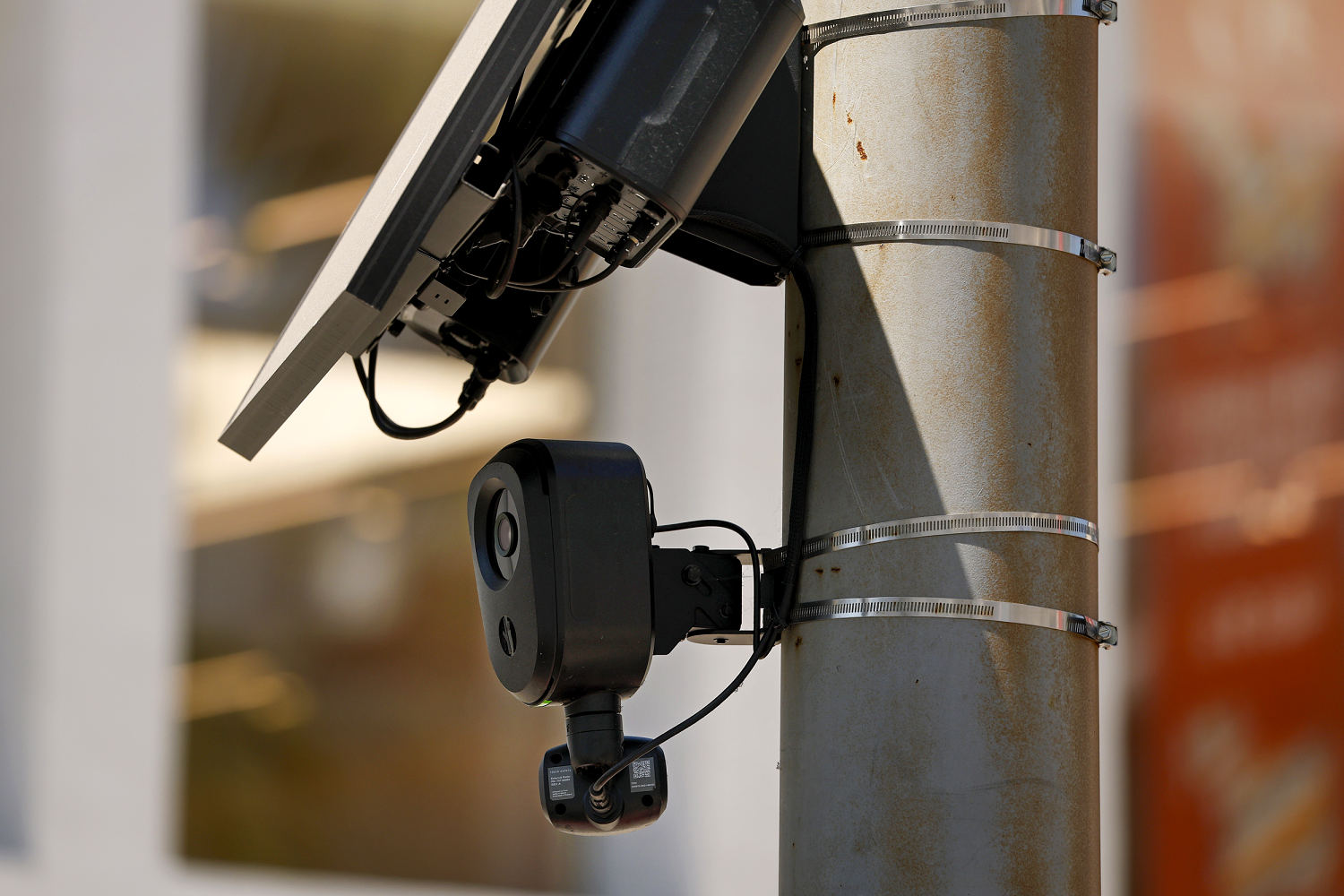
Image via NBC News
Flock Tightens the Leash After Police Misuse: Expect a Compliance Tax on the Surveillance Trade
Flock Safety is rolling out new safeguards after reports of police misuse of its license plate reader network and vehicle-movement data. The company is talking oversight, audit trails, and tighter controls around access and retention.
This is the inevitable arc for anything that scales into quasi-national infrastructure without a clean federal rulebook. Once the headlines hit, the procurement officers get nervous, city attorneys get louder, and budgets start demanding paper trails that cost real money.
The bigger story isn’t one vendor. It’s the market finally pricing the regulatory overhang on “public safety tech.” The next wave is standards: retention limits, warrant thresholds, and third-party data sharing restrictions that will vary by state and become a compliance nightmare.
📈 Fred's Take: This is a margin story wearing a civil liberties costume. Oversight means slower deployments and higher operating costs, which compresses growth multiples across the surveillance stack. If you’re invested anywhere near govtech, assume procurement cycles lengthen and discount the revenue until contracts show teeth and renewal rates hold.
📎 NBC News
Iran Tries the BRICS Back Door: New Development Bank Is the Sanctions Workaround Everyone Saw Coming
Iran’s central bank chief says the country is set to join the BRICS New Development Bank as the conflict with the U.S. drags on. The pitch is simple: diversify funding channels, reduce reliance on dollar-centric rails, and plug into friendlier capital.
This is not a sudden de-dollarization victory lap. It’s wartime finance: find liquidity, move trade settlement into more permissive corridors, and keep the domestic economy from choking under restrictions.
Markets will care less about the press conference and more about whether this changes actual payment flows for energy, shipping insurance, and commodity barter chains. If BRICS-aligned facilities expand credit lines for Iran-linked trade, the enforcement burden shifts back onto the U.S. and allies, and that’s where the volatility lives.
📈 Fred's Take: Treat this as a slow drip toward a thicker geopolitical risk premium, not a one-day FX event. Anything that marginally eases Iran’s financing capacity can extend conflict timelines and raise the floor under oil volatility. Energy hedges look cheap whenever Washington thinks sanctions alone will do the job.
📎 CNBC
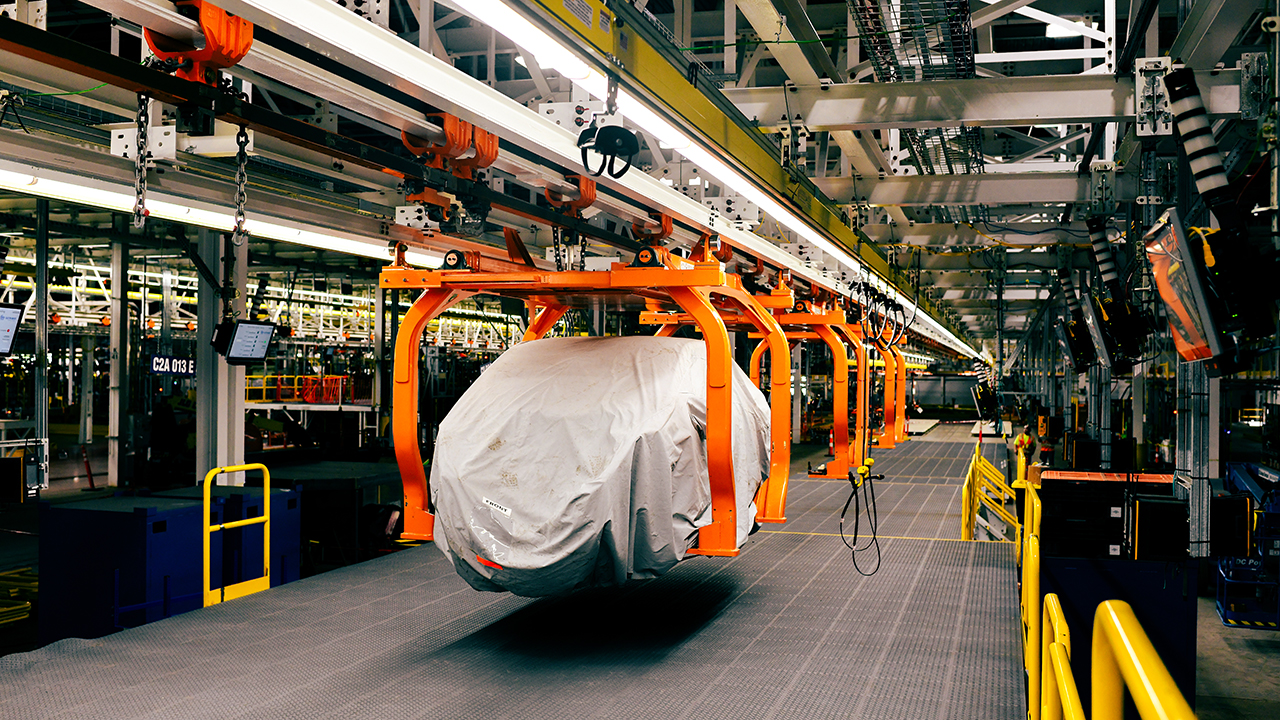
Image via Fox Business
Ford Drops $2B on Louisville: The Real EV Story Is Capex and Execution Risk, Not Narratives
Ford is investing $2 billion to overhaul its massive Louisville Assembly Plant to build the Fathom electric truck starting in 2027. This is a physical bet: retooling floorspace, supply lines, and manufacturing systems to compete in a market that’s now crowded and price-sensitive.
Big plant conversions are where spreadsheets meet physics. Labor agreements, tooling lead times, battery supply terms, and yield rates decide whether the program prints cash or bleeds quietly for years.
Politically, this is also the domestic-manufacturing storyline staying alive ahead of another election cycle. But markets won’t pay for symbolism. They’ll pay for unit economics, warranty curves, and whether Ford can build EVs at scale without eating its own margins.
📈 Fred's Take: Two billion is the ante, not the prize. If Ford can hit launch timing and protect gross margin, this becomes a credibility catalyst for the whole U.S. legacy auto complex; if not, it’s another reminder that EV capex is a bond-like drag on equity returns. Watch cash flow guidance and supplier commitments more than the glossy plant tour.

Image via Axios
Musk and Zuckerberg Re-Enter the AI Top Tier: Model Momentum Is Turning Into Capex Warfare
Axios reports Elon Musk and Mark Zuckerberg are clawing back into the AI race with renewed model momentum, closing distance on the new generation of AI-first startups. The message: incumbents with distribution, compute access, and war chests are not done.
This phase of AI is less about clever demos and more about throughput: training runs, inference cost, data pipelines, and product integration that actually changes user behavior. The winners aren’t just “best model.” They’re whoever can ship, scale, and monetize without lighting the margin statement on fire.
Markets should read this as competitive compression. When heavyweights move, pricing power gets tested, talent gets expensive again, and the demand for chips, power, and data centers stays structurally tight.
📈 Fred's Take: The AI trade is rotating from hype to industrial economics. More credible models from the megacaps means startups get squeezed and cloud spend accelerates, which keeps the pick-and-shovel complex bid. Own the infrastructure beneficiaries, but stop paying infinite multiples for “AI exposure” with no distribution and no margins.
📎 Axios
Houthis Clash With Yemen Government Forces: The Strait Premium Never Fully Leaves the Tape
Iran-backed Houthi rebels clashed with Yemeni government forces, adding another flashpoint to a region already priced for disruption. The fighting is local, but the market implication is global because shipping lanes and energy routes don’t care about the size of the skirmish.
Any uptick in Houthi activity revives the same chain reaction: threat assessments rise, insurance costs jump, rerouting increases transit time, and energy traders reinsert a security premium. Even when crude doesn’t spike, volatility tends to.
With U.S.-Iran tensions still elevated, Yemen becomes a cheap theater for expensive outcomes. That’s why you watch it like a macro indicator, not a humanitarian sidebar.
📈 Fred's Take: This is the kind of headline that quietly steepens the risk curve. You don’t need a shutdown to pay up for protection; you just need persistent uncertainty that keeps vol bid in oil and shipping. If you’re running a diversified book, this is where small energy hedges earn their keep.
📎 AP News
That’s the board. Trade the incentives, not the speeches. See you before the bell.
— Fred Frost
