Today’s Sponsor
Every major market move leaves clues — the edge belongs to whoever spots them first. AI is now giving investors a powerful new way to analyze massive amounts of market data, detect unusual patterns, and anticipate what may be developing beneath the surface before the crowd catches on.
Investor News has put together a new report breaking down exactly how this emerging approach works — and what it could mean for investors hungry for a real edge. The most important question isn't what the market did yesterday. It's what the data is pointing to next.
Get the Free ReportBy following the link above, you're choosing to opt in to receive insightful updates from Investor News + 2 free bonus subscriptions. Your privacy is important to us. You can unsubscribe anytime. See our privacy policy for details.

Five headlines that matter before the open: AI espionage, housing ballots, a DOJ-California showdown, Saudi travel risk, and a hotter CPI print heading into midterms.
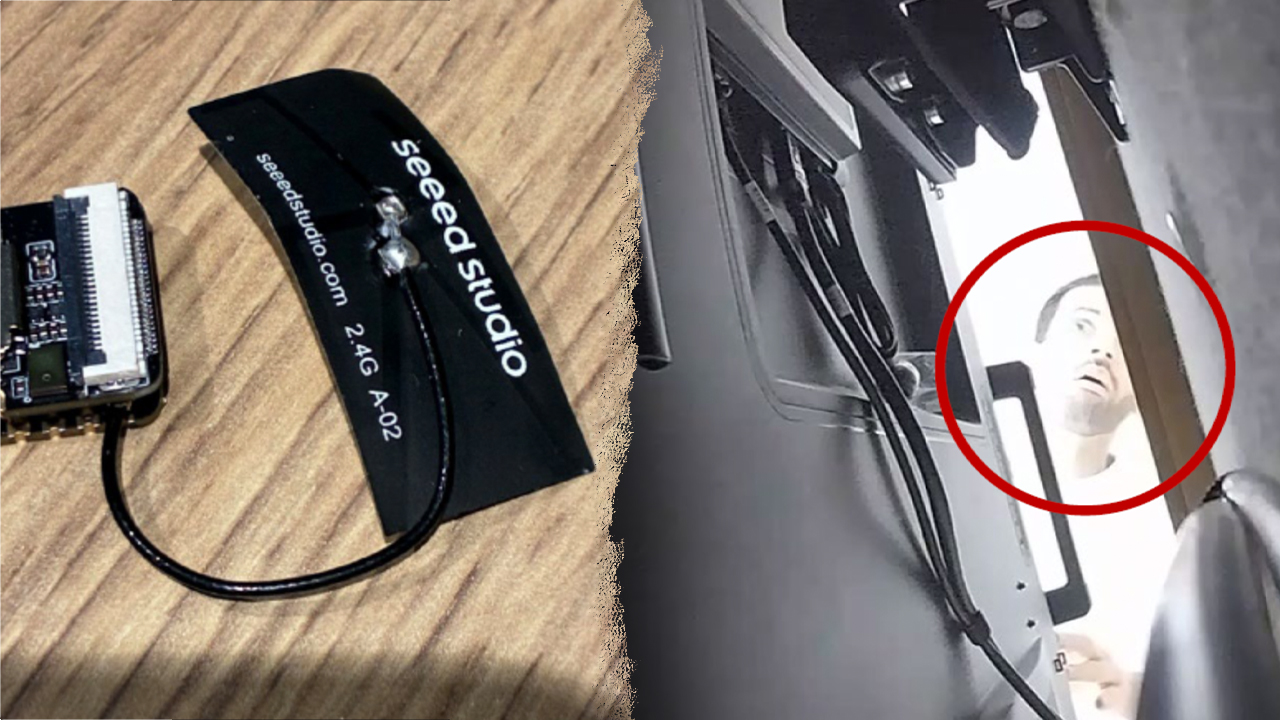
Image via Fox Business
OpenAI Spy Scare: Feds Say a Saudi National Bugged an Exec Conference Room
Federal prosecutors allege a Saudi national planted a recording device inside a conference room used for confidential OpenAI discussions. The room reportedly hosted conversations on proprietary research, product roadmaps, and business opportunities.
The market angle isn’t the gadget. It’s the message: AI is now treated like defense tech, and corporate security is becoming a regulated cost center. Expect more backgrounding, tighter visitor controls, and more friction in cross-border partnerships as Washington starts treating model access, weights, and compute like controlled assets.
📈 Fred's Take: This is a tax on speed. Every additional layer of security and compliance slows product cycles and raises operating costs, which hits margins across the AI stack. Long term it’s bullish for cybersecurity and "secure enterprise" vendors, but it’s a headwind for any AI name priced for flawless execution and frictionless global deal flow.
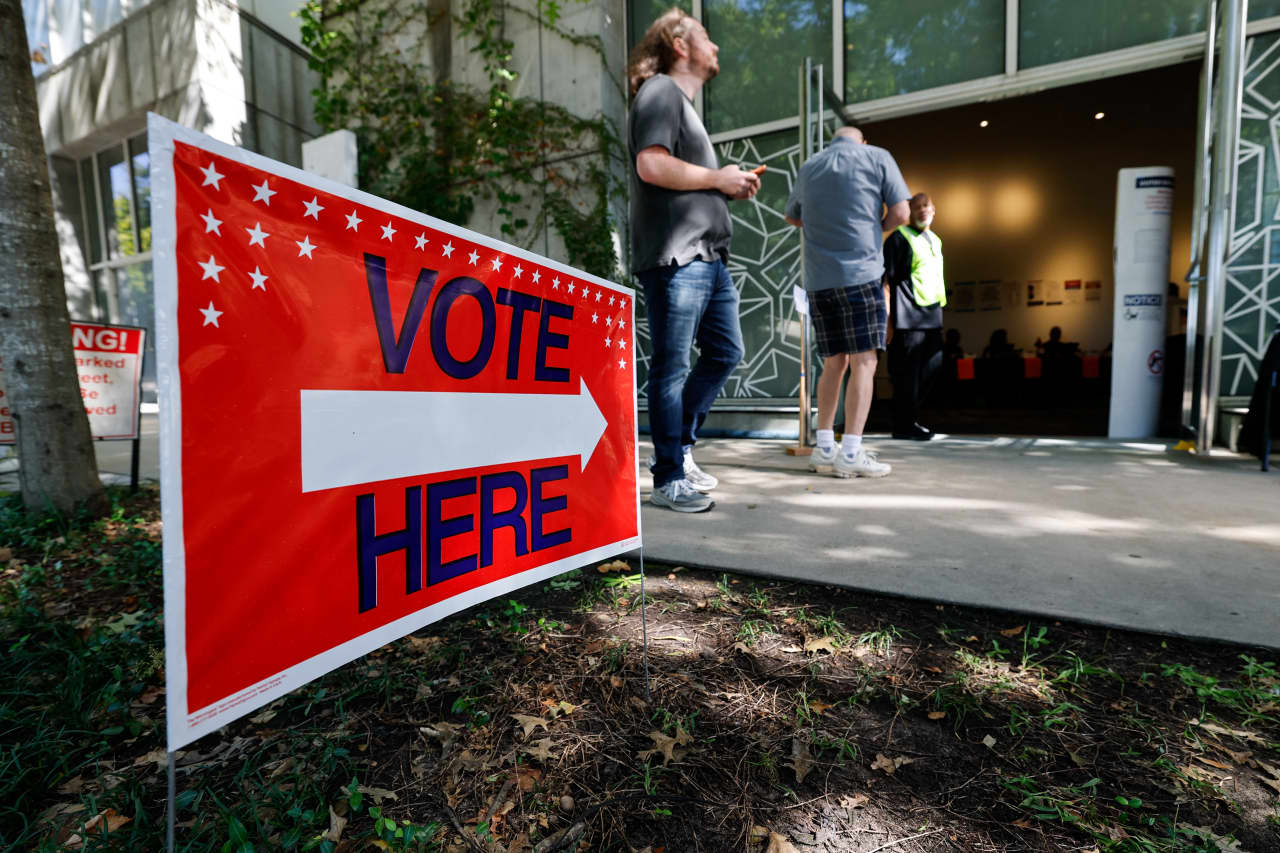
Image via MarketWatch
Housing Hits the Ballot: Voters Get More Fixes Than They’ve Seen in 20 Years
This cycle is loaded with housing ballot measures: easier permitting, zoning changes, bond funding, and property tax tweaks. The pitch is simple: affordability is a political emergency, and voters want visible action.
Wall Street should read this as a localized tug-of-war between supply growth and homeowner protection. If measures accelerate building, that’s a medium-term pressure release on rents and home-price momentum. If measures lean into tax cuts or constraints without boosting supply, you’re just shifting burdens to municipal budgets and pushing the shortage forward.
📈 Fred's Take: Housing policy is now macro policy because shelter inflation is the CPI anchor that won’t quit. More supply is disinflationary and ultimately rate-friendly, but it’s not immediate and it’s not uniform across states. Trade it regionally: builders and building products win where permitting gets easier; muni credit gets riskier where revenue is cut without replacement.
DOJ Turns Up the Heat on California Over Alleged Noncitizen Voting
Reuters reports the Justice Department sent California a letter threatening action over allegations involving noncitizen voters. The dispute tees up a familiar clash: federal enforcement pressure versus a blue-state apparatus that sees it as political theater.
Markets don’t price the outrage; they price the consequence. This is another accelerant for election legitimacy fights, which raises the probability of litigation, delayed outcomes in tight races, and policy paralysis right when fiscal decisions and regulatory agendas need clean timelines.
📈 Fred's Take: Expect higher political volatility premia into the midterms, especially around sectors that need regulatory certainty: energy, big tech, healthcare. Gridlock is usually equity-friendly, but not when it freezes permitting, procurement, and immigration flows that feed growth. Keep duration risk tight and don’t overpay for "all-clear" scenarios.
📎 Reuters

Image via Fox News
Saudi Travel Advisory: Arrest Risk and Exit Bans Put a Price on Geopolitics
The State Department issued a Level 3 travel advisory for Saudi Arabia, citing terrorism risk, missile threats, and strict laws that can lead to arrest or exit bans. The warning highlights the personal-risk layer that corporations and investors often discount until it hits a headline.
For markets, this isn’t just tourism. It’s about cross-border labor, executive mobility, conferences, dealmaking, and the ease of doing business. Any increase in perceived personal risk raises the cost of operating, insuring, and staffing in-region, which bleeds into project timelines and capital formation narratives.
📈 Fred's Take: This is a soft tightening of financial conditions for Middle East-facing growth stories: fewer trips, slower deals, more legal review, more reputational risk. It won’t move Brent by itself, but it does push multinationals toward caution and that’s bearish for "big splash" FDI headlines. The winners are the boring ones: firms selling risk management, security, and compliance infrastructure.
📎 Fox News

Image via Washington Examiner
CPI Re-Accelerates to 3.7%: One More Reminder the Fed Isn’t Done Watching
The latest CPI report showed inflation up to 3.7% year-over-year for September, arriving right before midterm voting. It’s a politically toxic number and a market-relevant one because it reinforces that the last mile is sticky.
The key is expectations management. A hotter print keeps the Fed boxed in: they can’t bless premature easing without risking credibility, and they don’t want to crush growth into an election-year slowdown. That tension usually means more jawboning, fewer promises, and a higher bar for rate cuts.
📈 Fred's Take: 3.7% keeps the "higher for longer" tape alive, which is a headwind for long-duration equities and speculative crypto beta. If you’re positioned for aggressive easing, you’re early again. Favor cash-flow durability, short-to-intermediate duration, and treat rallies in unprofitable growth as trades, not investments.
That’s your pre-open map. Don’t trade headlines — trade the incentives behind them.
— Fred Frost
