Today’s Sponsor
Global tensions are quietly reshaping the market — and Street Ideas has identified three under-the-radar small-cap stocks tied to defense infrastructure, energy security, and next-generation technology that are already starting to move.
These shifts don't wait. Our free Market Themes Report breaks down exactly what's happening, why these sectors are heating up, and which three small-caps are appearing on our radar right now — before the crowd catches on.
Get the Free Market Themes Report*We encourage readers to perform their own research and due diligence on any information we provide. By clicking the link you will automatically be subscribed to the Street Ideas Newsletter.

Nine-week rally walks into a catalyst minefield. Bonds are flashing inflation/deficit stress. Powell is throwing a credibility grenade over the Fed’s wall. And while capital flees California for Florida, Wall Street picks a public brawl over crypto rules.

Image via Fox Business
California’s wealth-tax moment is Florida’s capital windfall
California is watching high earners and operators keep moving feet-first out the door: high taxes, a $31B budget hole, and now a voter-approved wealth tax that turns “domicile” into a financial survival decision. This isn’t just a few celebrities changing ZIP codes. It’s companies, founders, and the check-writers that sit behind local venture, philanthropy, real estate, and municipal bond demand.
Florida is the beneficiary because it’s offering the full package: no state income tax, business-friendly regulation, and a deepening ecosystem of finance and tech talent. When the marginal tax bite jumps, the migration curve doesn’t slope—it snaps. And once the first wave moves, the network follows.
Markets will feel this in second-order ways: California muni spreads, commercial real estate vacancy, and the long-term tax base that supports state services and bondholder confidence. On the flip side, Florida’s housing, infrastructure, and local credit demand gets juiced—but it also risks overheating pricing and politics in its own backyard.
📈 Fred's Take: This is a slow-motion balance-sheet trade: capital flows from high-tax, high-reg friction to low-tax, low-friction. California’s wealth tax will raise less than advertised because the tax base is mobile and the richest people have the best lawyers. If you own CA munis or CA CRE exposure, treat this as a structural headwind—not a headline.
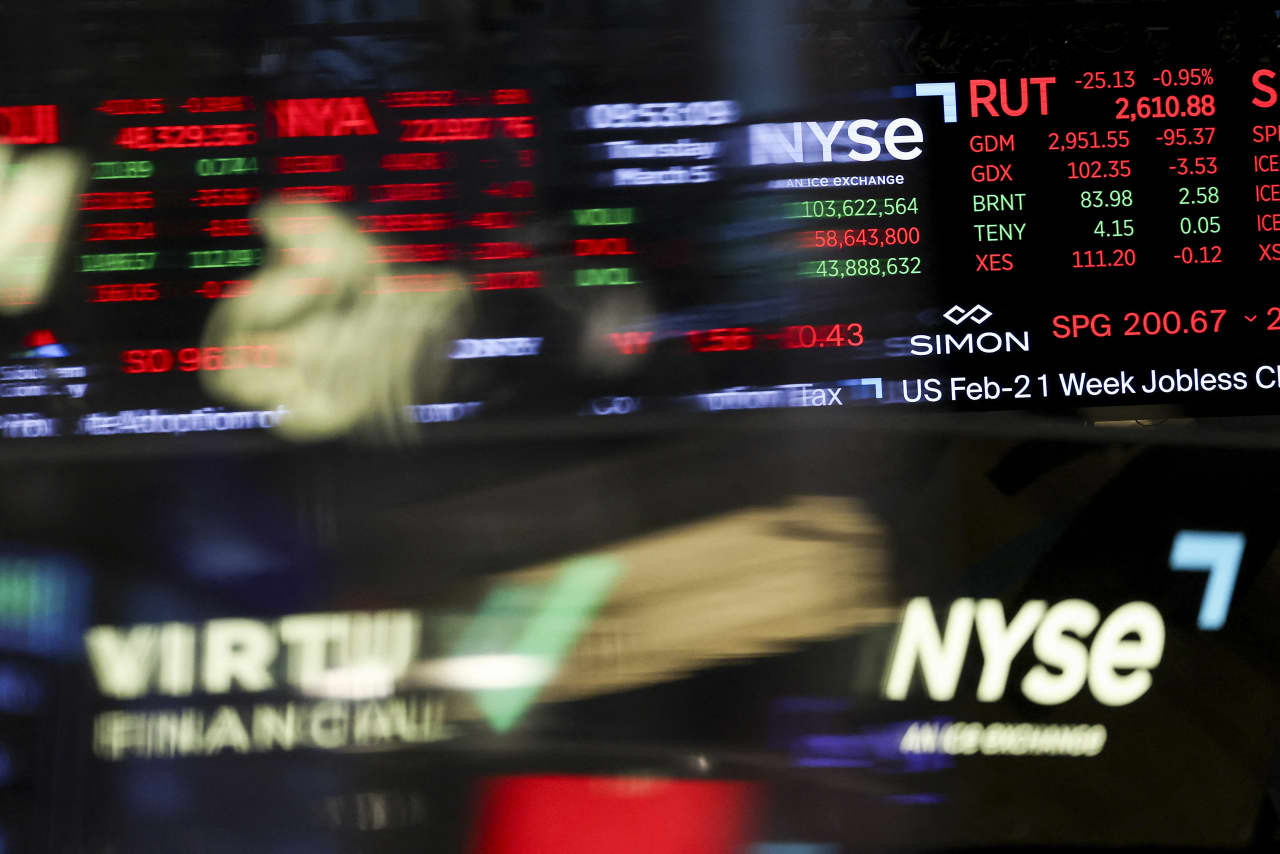
Image via MarketWatch
The rally’s next boss fight: a June “volatility spasm”
SpotGamma is warning the 9-week-old stock rally is walking into a month packed with tripwires—macro catalysts, positioning cliffs, and options flows that can amplify small moves into ugly tape. This is the modern market: fundamentals matter, but the path is dominated by dealer hedging, gamma pockets, and systematic strategies that chase and then slam the brakes.
When markets get stretched, the first wobble isn’t a gentle pullback—it’s a fast air-pocket. You’ll see it in intraday ranges, VIX pops that don’t look justified by the news, and “why is everything red at once?” moments. The rally can survive it, but it won’t feel good, and weak hands will finance the next leg.
Watch the usual pressure points: big macro prints, any policy headlines, and month/quarter positioning resets. If rates twitch higher while vol expands, high-multiple growth is the first one under the bus and the last one to recover.
📈 Fred's Take: Don’t confuse a vol spasm with a trend change—until credit spreads agree. If you’re up on the 9-week run, you take some risk off into strength and you reload on forced selling, not on hope. The tell will be whether dips get bought without the VIX collapsing; if vol stays bid, the market’s telling you the easy money is over for a bit.
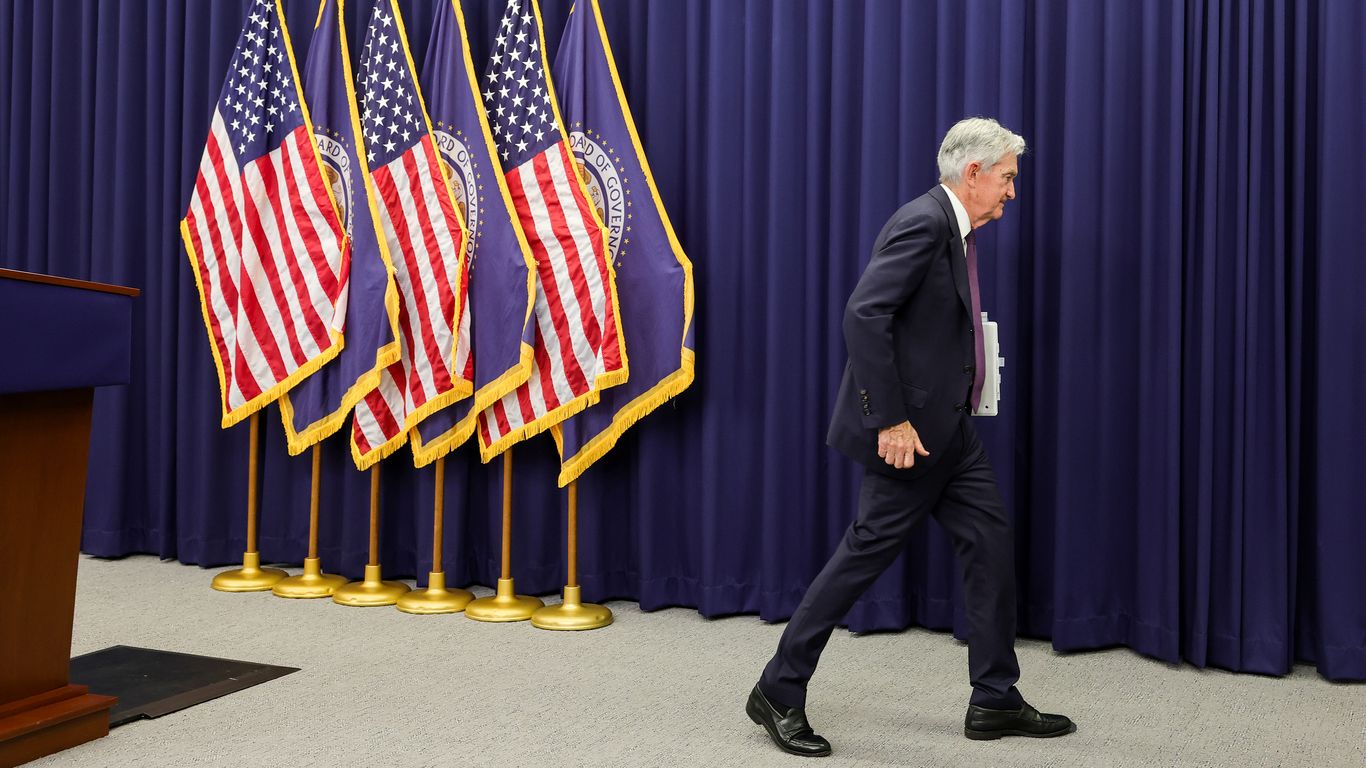
Image via Axios
Powell breaks the glass: Fed credibility is the trade now
Jerome Powell, speaking publicly after ending his term as Fed chair, delivered the blunt version of what markets whisper: the central bank is in a credibility “stress test.” Translation: investors are questioning whether the Fed can do what it says it will do when politics, deficits, and election-cycle pressure are in the room.
Credibility isn’t academic. It’s the pricing mechanism for the entire curve—term premium, inflation expectations, risk assets, and the dollar. If participants start to believe the Fed will blink early or accommodate fiscal excess, you don’t just get a few ugly CPI prints—you get structurally higher long rates and a weaker valuation framework for equities.
Powell’s timing matters because it puts the institution, not just the economy, into focus. Markets can handle bad data. They struggle when the rulebook looks optional.
📈 Fred's Take: This is the real risk premium: not “recession vs soft landing,” but “policy reliability vs improvisation.” If Fed independence gets treated like a political toy, long-duration assets will keep paying the price through higher term premium. Own cash-flow certainty, keep duration intentional, and don’t marry a multiple when the referee is being questioned.
📎 Axios
Image via Associated Press
Bonds just put Trump on notice: inflation and deficit math don’t care about speeches
The bond market is sending a fresh inflation warning as President Trump heads toward midterm season with deficits and debt dynamics back in the crosshairs. When bonds start demanding a higher yield, they’re not making a political statement—they’re repricing risk: supply, inflation persistence, and the chance policy leans stimulative when it should be stabilizing.
This is the tug-of-war: Washington wants growth optics; bondholders want purchasing power protection. If fiscal policy stays loose while inflation expectations creep, the curve steepens, borrowing costs rise, and the government’s interest bill becomes its own accelerant. That cascades into mortgages, corporate funding, and equity discount rates.
The market’s message is simple: you can’t run big deficits forever at yesterday’s interest rates. The bill arrives in real time now, auction by auction.
📈 Fred's Take: If bonds are warning you, listen—because equities eventually do. A rising term premium is a valuation tax on everything, especially speculative growth and levered balance sheets. This is why I keep hammering the same point: inflation is a political problem, but it becomes an investor problem first.

Image via ZeroHedge
Dimon vs Coinbase: Wall Street declares war on crypto “clarity”
Jamie Dimon went scorched-earth on Coinbase CEO Brian Armstrong and signaled JPMorgan will fight the so-called Clarity Act—another chapter in the long-running battle over who gets to define crypto’s rules. The headline drama is personal, but the underlying conflict is structural: banks want crypto to fit inside bank regulation, while crypto wants a bespoke lane that doesn’t hand incumbents the keys.
When the biggest U.S. bank starts throwing elbows, Washington pays attention. That means the regulatory timeline can get longer, the final framework can tilt more conservative, and the “we’re almost done” optimism that fuels crypto risk-on phases can reverse quickly. This also drags public-market narratives: exchange volumes, custody economics, stablecoin rails, and who earns the spread.
The market implication isn’t that crypto disappears. It’s that the path to mainstream adoption gets rerouted through institutions—slower, more compliant, and more fee-heavy.
📈 Fred's Take: Dimon isn’t trying to kill crypto; he’s trying to make sure banks collect the tolls. Near term, this is headline risk for COIN-style equity proxies and a potential speed bump for legislation bulls are already pricing. Longer term, if banks win the framing, the trade shifts from “tokens moon” to “infrastructure and rails with regulatory cover.”
That’s the tape. Keep risk tight, respect the bond market, and don’t let a nine-week rally talk you into bad entries. — Fred Frost
— Fred Frost
