Today’s Sponsor
The AI revolution is here—and I've identified 9 powerhouse companies with real US operations, proven revenue growth, and deep AI integration that are primed to dominate. From a hidden chip maker set to power domestic AI manufacturing to a cloud provider ready for explosive growth, these aren't the tired "AI hype" stocks everyone's talking about.
The smart money is already watching, and once they move, these stocks could soar. Don't be the last to catch this wave—get the complete details on all 9 game-changing companies in my FREE report before opportunity passes you by.
Get the Free ReportBy clicking this link you agree to receive emails from StockEarnings and our affiliates. You can opt out at any time. Privacy Policy.

Deal flow is signaling risk-on, geopolitics is threatening the oil complex, and Washington’s next move on AI will matter more than the next Fed cut.
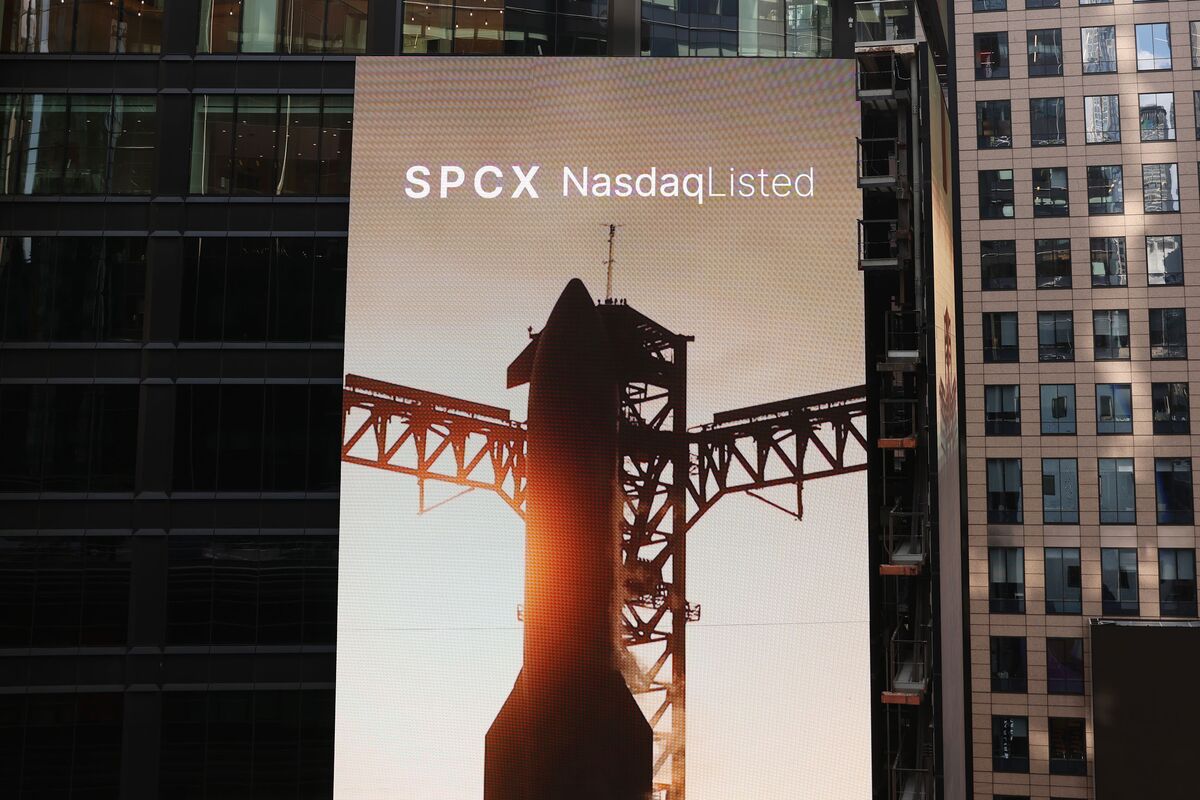
Image via Bloomberg
SpaceX lights the IPO fuse — $251B in U.S. share sales is a risk-on tell
Wall Street just printed a monster first half: U.S. share sales hit a record $251 billion at midyear, with SpaceX and Alphabet-related activity setting the tone. Bankers are already talking up a second-half pipeline like it’s 2021 again — but with higher rates and tighter underwriting.
This matters because equity issuance is the market’s oxygen gauge. When issuers can raise size, at tighter discounts, it means buyers are back, vol is contained, and the “cash on the sidelines” narrative stops being a meme and starts becoming flow.
The flip side: more paper is still more paper. A flood of secondaries and late-stage private conversions will test whether demand is real or just chasing the biggest brand names.
📈 Fred's Take: This is a green light for broad risk assets until it isn’t. Strong issuance usually tracks a rising tape, but it also marks the calendar for when supply can cap upside — especially in high-multiple tech and “story” names. If the IPO window stays open, favor quality growth with real cash flow and treat anything pre-profit as a trade, not an investment.
Trump tees up U.S.-Iran talks in Qatar — markets hear one word: Hormuz
President Trump says the U.S. and Iran will hold fresh talks Tuesday in Doha after weekend clashes. The market doesn’t need a war to reprice energy — it just needs uncertainty around shipping lanes and miscalculation risk.
The setup is classic: diplomacy headlines dampen front-month crude for a day, then the options market keeps bidding tails because nobody can model a bad Tuesday in the Strait of Hormuz. Insurers, shippers, refiners, and anyone with fragile inventories start paying up for protection the minute the rhetoric hardens.
Watch the second-order trades: defense names catch a bid, airlines and transports wobble, and inflation breakevens can tick higher even if spot oil doesn’t immediately spike.
📈 Fred's Take: If talks look real, you fade the panic in crude; if talks look like theater, you buy convexity. I’d rather own energy exposure through quality producers and oil service than chase front-month futures whiplash. The quiet killer here is inflation expectations — any sustained Hormuz premium pushes rate cuts further out and hits long-duration tech first.
📎 CNBC
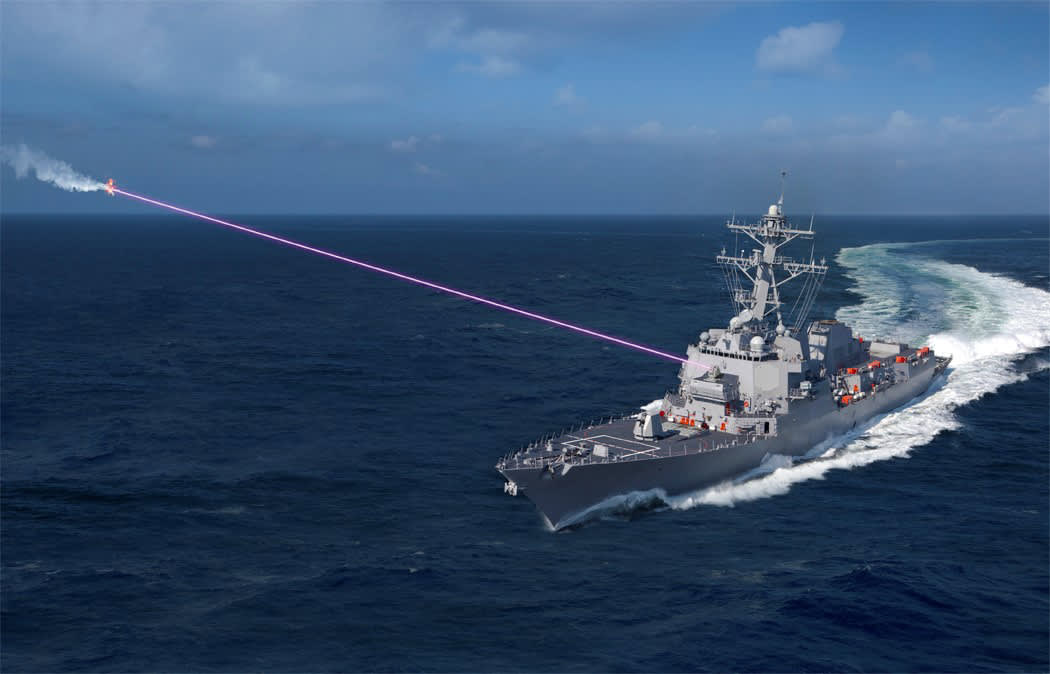
Image via MarketWatch
Lasers are here — and they’re changing defense multiples in real time
Laser and directed-energy systems have crossed from demos to deployment, and that’s altering how the market values the counterdrone stack. The core shift: defense isn’t just platforms anymore — it’s sensors, software, targeting, and cheap-per-shot interceptors that can scale.
When your marginal cost per engagement collapses, the procurement math changes. Militaries stop rationing intercepts, and the demand curve for integrated command-and-control plus rapid production gets steeper.
Names tied to data fusion and battlefield operating systems benefit, and so do firms with proven counter-UAS hardware and export channels. This theme is also an AI trade wearing a defense badge.
📈 Fred's Take: This is not a “cool tech” story — it’s a cash-flow duration story. The market will pay up for recurring software-like revenue, upgrade cycles, and systems integration, and it will discount one-off hardware contracts. If you’re positioning, think ecosystem winners (data + targeting + integration) over single-product hype.

Image via TheStreet
6.5% mortgages are freezing the ladder — the housing market just rewired itself
Mortgage rates parked around 6.5% are forcing a structural change: the move-up market is seizing because existing homeowners won’t give up sub-4% loans. Listings stay tight, transactions slow, and affordability keeps doing damage that no amount of “spring seasonality” can fix.
That creates a weird split: prices don’t collapse because supply is locked, but volume dries up, commissions get crushed, and housing-related churn (remodeling, furniture, appliances) loses momentum. It’s stagnation with a high sticker price.
Builders become the marginal supplier and quietly gain share — but they’re hostage to land, labor, and incentive spend. The consumer gets squeezed either way: higher monthly payments or no ability to move.
📈 Fred's Take: This is bullish for scarcity, bearish for activity. Don’t confuse stable home prices with a healthy housing market — the economic impulse comes from transactions. If rates don’t break lower meaningfully, the winners are builders with scale and balance sheets; the losers are anyone paid on volume (brokers, title, mortgage origination).

Image via Fox Business
AI productivity boom is real — but Washington can still choke it
A new report argues AI could drive the “single greatest productivity revolution,” lowering costs and pushing workers into higher-value roles — if Washington avoids heavy-handed regulation. That’s the entire ballgame: productivity is how you grow through debt, demographics, and sticky services inflation.
Markets care because productivity is the cleanest way to get disinflation without recession. If AI boosts output per worker, margins expand, real wages can rise, and the Fed gets room to ease without reigniting inflation.
But policy risk is not theoretical. Overbroad rules on model training, compute access, liability, or compliance can concentrate power in a few mega-platforms while strangling smaller innovators — the worst of both worlds for competition and growth.
📈 Fred's Take: AI is the upside catalyst for U.S. equities and the downside risk is 100% political. Smart regulation should target clear harms and national security, not smother deployment with paperwork that only Big Tech can afford. From an investing standpoint: own the picks-and-shovels and the distributors, and discount any business model that depends on Washington “getting it right.”
That’s the tape: issuance says risk-on, Hormuz says hedge, housing says stagnation, AI says policy. Trade what’s real, insure what can’t be modeled — Fred Frost.
— Fred Frost
