Today’s Sponsor
History shows a clear pattern: the investors who recognized the exact inflection point in the dot-com boom pocketed 400–800% gains in 18 months. Those who spotted the same moment in cloud computing saw 300–600% returns. Based on 50 years of market data, that same moment is happening right now — and the acceleration phase has already begun.
This free 7-page report reveals where we are in the current megatrend cycle, why the next 18 months are critical, and how to position yourself before the window closes. Don't be the investor who enters too late.
Get the Free ReportBy clicking 'Get the Free Report' you are automatically subscribing to Darwin Investor Network and will receive a free subscription to the Chaikin PowerFeed newsletter. Unsubscribing is easy. Privacy Policy

Markets don’t trade headlines. They trade cash flows, policy reactions, and second-order effects. Today’s tape is all about energy risk, industrial competitiveness, and security competence.
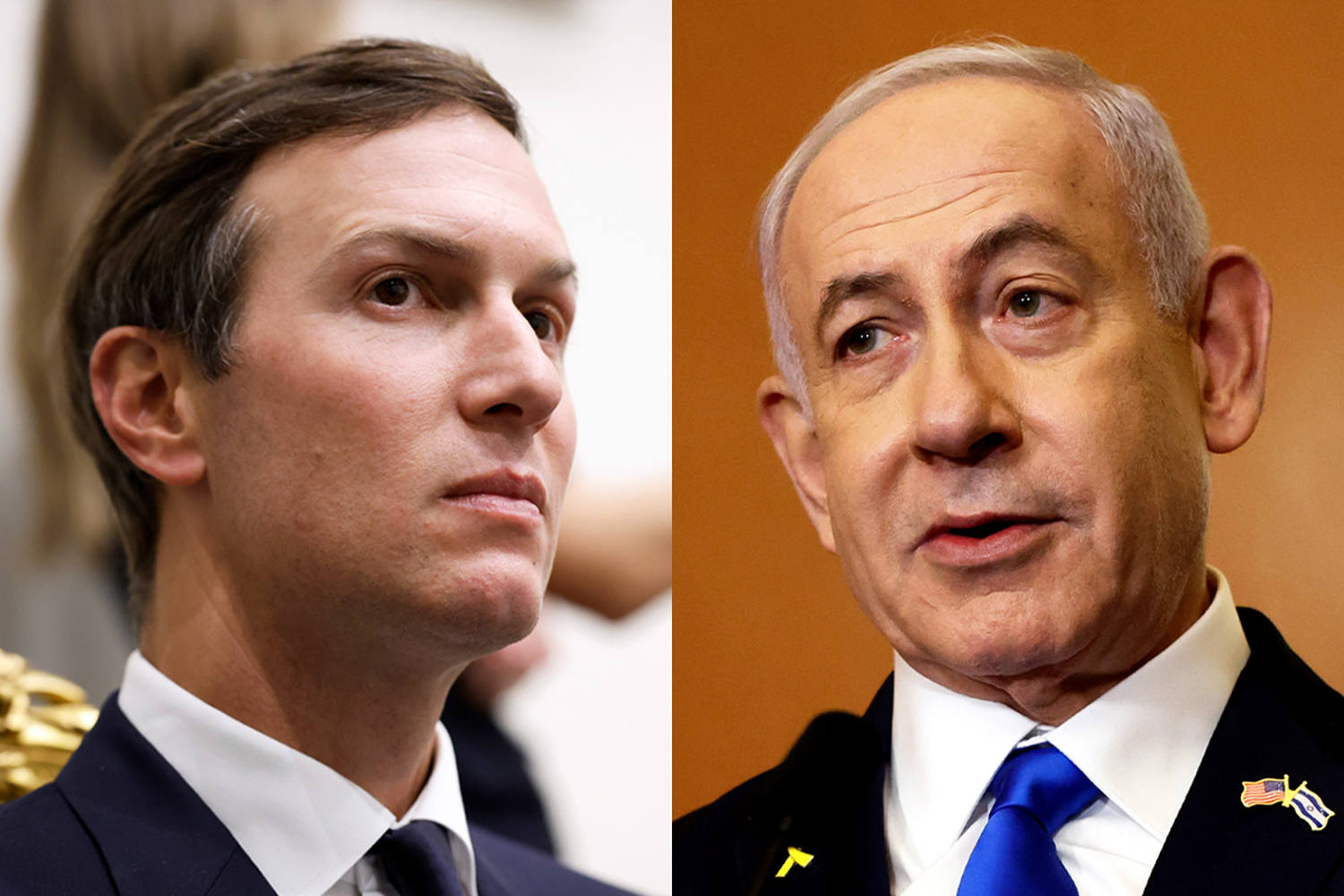
Image via NBC News
Kushner back in the room: Gaza plan stalls, tail risk doesn’t
Jared Kushner is meeting Israel’s Prime Minister Benjamin Netanyahu after rare contact with Hamas leadership. That alone tells you the official channels are clogged and the backchannel is doing triage.
The market angle isn’t “peace soon.” It’s the opposite: when diplomats start improvising, you’re closer to unintended escalation than a clean agreement. Gaza is the visible front, but the tradable fault line remains regional shipping and energy infrastructure.
If you’re long risk, this is the kind of headline that quietly raises your portfolio’s insurance premium: crude vol, defense bids, and a bid under gold on any sign talks fail or broaden.
📈 Fred's Take: This is a volatility setup, not a de-risking signal. You don’t sell everything on a meeting, but you do stop pretending geopolitical premium is gone: keep some energy exposure, keep some gold, and don’t be naked short volatility. The first market move will be in oil options, not in a “peace dividend” equity rally.
📎 NBC News
Germany’s car kings get humbled in China: margins next
Mercedes, Volkswagen, and BMW are still sliding in China’s EV market, where domestic competitors are faster, cheaper, and better integrated into the local tech stack. This isn’t a bad quarter. It’s a business model stress test in the world’s most important auto battleground.
China used to be the profit engine that subsidized everything else: R&D, dividends, buybacks, and the slow transition in Europe. When that engine sputters, the math gets ugly: pricing power fades, fixed costs bite, and “premium brand” becomes “premium cost structure.”
Second-order effects: weaker German industrial momentum, more pressure on European suppliers, and another reminder that electrification is also a software and supply-chain game, not just sheet metal.
📈 Fred's Take: I treat this as structural, not cyclical. Europe’s auto complex will keep getting valued like a melting ice cube until it proves it can win on EV software and cost, in China, without buying the volume. If you want EV upside, you don’t reach for legacy pride; you buy the winners in batteries, components, and the platforms that own the user.
Trump tells drivers to live with pricey gas as Iran stays defiant on the strait
Iran is signaling it won’t be pushed around on the strait, and President Trump is telling Americans to accept higher gasoline prices. That’s a rare pairing: geopolitical constraint plus political permission for price pain.
Markets hear one thing: less likelihood of an immediate policy backstop for consumers. If Washington is preparing voters psychologically, it’s also preparing the tape for sustained energy inflation, which means higher headline CPI risk and a tougher path for rate cuts.
Energy shocks don’t just hit the pump. They squeeze margins, move freight costs, hit discretionary spending, and reprice inflation breakevens. And if the strait narrative heats up, insurers and shippers react before any formal closure.
📈 Fred's Take: This is the cleanest macro trade on the screen: oil up equals cuts down, duration down, and “quality growth” multiples under pressure. I’d rather own energy cash flows and inflation hedges than pray for a benign CPI print. If you’re positioned for falling rates, you need to tighten your stops or add protection now, not after gasoline hits the evening news cycle.
📎 Reuters

Image via Washington Examiner
The labor “shortage” isn’t a shortage: it’s a training failure that hits profits
A Washington Examiner argument is making the rounds: stop whining that nobody wants to work, and start training people. Employers are fishing in the same stale ponds, demanding perfect resumes, then acting shocked when the net comes up empty.
Here’s the market translation: the labor market isn’t just about wages; it’s about productivity. If companies refuse to invest in training, they pay twice: first through higher compensation to poach scarce talent, then through lower output per worker because the pipeline is broken.
That shows up in margins and guidance. Training is capex in disguise: it depresses near-term operating leverage but improves long-run unit economics. Public companies keep choosing the opposite, then blame “macro.”
📈 Fred's Take: The next earnings cycle will punish firms that can’t translate headcount into throughput. I’d rather own businesses with demonstrable training pipelines and process automation than ones living off hiring unicorns at any price. The labor story is a margin story, and the market always finds the weak operator.

Image via BBC News
Downing Street spoofed: a Trump chief-of-staff imposter reels in a UK minister
The BBC reports that Burnham exchanged messages with someone posing as Trump’s chief of staff, triggering a security breach story that Downing Street won’t comment on. This is not gossip. It’s operational risk.
When senior officials can be social-engineered, markets should assume policy timing, sensitive negotiations, and crisis communications are more fragile than advertised. The first-order trade isn’t “UK politics.” It’s the broader premium investors assign to cyber, identity verification, and secure communications.
Also watch the knock-on: tighter protocols can slow decision-making, and slow decision-making is exactly what you don’t want during an energy shock or a sudden risk-off move.
📈 Fred's Take: This is bullish for cybersecurity and bearish for complacency. Expect more budget, more procurement, and more headline-driven demand for identity and secure messaging, especially in the public sector supply chain. Competence is a macro variable now, and the market is starting to price it.
📎 BBC News
That’s the sheet. If you’re waiting for clarity, you’re paying for it in your fills.
— Fred Frost
