Today’s Sponsor
The Fed held rates, inflation is still above target, and uncertainty is rising — that means the "buy anything AI" trade is over. Smart money is rotating fast toward the companies actually building AI infrastructure: chips, cloud capacity, and mission-critical data tools. Big Tech alone is projected to spend $635B–$665B on AI in 2026 — and not all of it is going where most investors are looking.
We've identified 9 AI stocks worth watching right now — including a lesser-known chip name tied to U.S. AI infrastructure, a cloud player with improving setup, and a data analytics company with government exposure. This isn't hype. It's about following where capital is actually being deployed.
Get the Free Report NowBy clicking the link above, you will receive this free report and a free subscription to the StockEarnings daily email newsletter. You are also agreeing to the terms of our Privacy Policy. Unsubscribe at any time.

Markets are staring at rates while Washington tries to politicize the Fed. Meanwhile, a disaster in Nepal reminds you what supply chains and insurance models really look like in 2026.

Image via NBC News
Nepal floods turn towns into debris fields, hundreds missing
Flash floods tore through Himalayan towns in Nepal, ripping out bridges, sweeping away cars, and taking buildings with them. When water moves downhill that fast, there is no evacuation plan that keeps up.
This is a human tragedy first. It is also a reminder that climate and infrastructure risk is not some academic ESG slide deck. It shows up as supply disruption, higher reinsurance pricing, and tighter catastrophe models that ultimately raise the cost of capital for anyone operating in fragile terrain.
Watch knock-on effects in regional hydro power output, road access for trade routes, and tourism flows into the Himalayas. The market angle isn’t “Nepal equals global selloff.” It’s that every major insurer and reinsurer is repricing tail risk again, and that cost gets passed through everywhere.
📈 Fred's Take: Catastrophe risk keeps getting repriced higher, and that is structurally inflationary through insurance premiums and rebuilding costs. If you’re long anything with thin margins and heavy property exposure, you’re effectively short reinsurance pricing. Own quality balance sheets, and don’t ignore insurers with disciplined underwriting because this is their tape.
📎 NBC News
Stryker’s playbook: buy adjacencies, keep the culture, compound the cashflows
Bloomberg’s piece on Stryker highlights what actually separates good serial acquirers from the ones that blow up: integration discipline and culture as a control system. In medtech, you can’t just buy revenue; you have to preserve the surgeon relationships, compliance muscle, and product cadence.
Stryker keeps leaning into “adjacencies” where it already has distribution and know-how, which is code for lower integration risk and faster synergy capture. That matters in 2026 because funding costs are higher than the 2010s, and sloppy M&A gets punished quickly when the debt math is real.
The bigger point: healthcare device demand doesn’t go away, but valuation multiples do. Companies that can buy growth at reasonable prices and convert it to free cash flow are the ones the tape forgives when rates stay higher for longer.
📈 Fred's Take: Stryker is the type of compounder you want when the macro is noisy: recurring procedure demand, pricing power in niches, and a management team that treats M&A like an operating system, not a dopamine hit. If Warsh keeps financial conditions tight, cash-flow quality will keep beating “story growth.” I’d rather own disciplined acquirers than pray for multiple expansion.
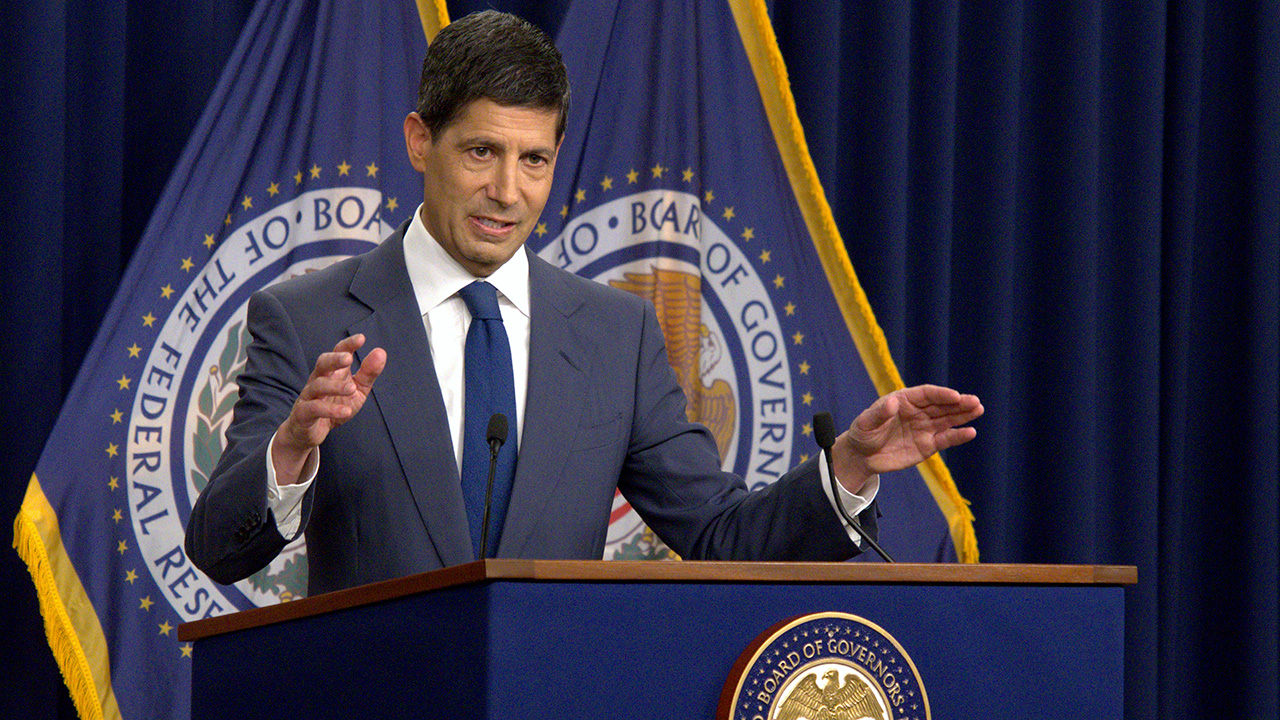
Image via Fox Business
Warsh’s first Jackson Hole: the market wants a map, not a mantra
Fed Chair Kevin Warsh steps into Jackson Hole with yields near highs and investors demanding clarity on the rate path. This is his first keynote in the role, and the bond market is effectively daring him to either validate restrictive policy or blink.
The setup is classic: inflation progress that’s uneven, growth that won’t roll over cleanly, and a market that keeps trying to front-run cuts. If Warsh sounds hawkish, the front end reprices and risk assets feel it immediately. If he sounds dovish without credible inflation proof, long-end term premium can rise anyway, which is its own kind of tightening.
The key isn’t the headline line. It’s the reaction function. Traders want to know what data matters most, and how much pain the Fed is willing to tolerate to keep inflation expectations pinned.
📈 Fred's Take: Warsh can’t afford ambiguity. If he wants easier financial conditions later, he has to earn credibility now, which means a bias toward staying restrictive until inflation is unmistakably dead. That keeps me defensive on long-duration equities and more interested in cash-yield and value over “AI at any price” reruns.

Image via The Hill
Fed independence stress test: Lisa Cook fights a Trump push to fire her
Fed Governor Lisa Cook argues the Trump administration has no legal basis to remove her from the Federal Reserve Board. This isn’t a policy spat; it’s a governance grenade aimed at central bank independence.
Markets price the Fed as an institution. When Washington starts treating seats like at-will political appointments, you inject a new risk premium into rates: higher inflation uncertainty, higher term premium, and more volatility around every meeting.
Even if Cook ultimately stays, the attempt itself matters. It tells investors the next step could be pressure on policy decisions, regulatory posture, or the composition of the FOMC over time.
📈 Fred's Take: You don’t mess with the Fed’s legal structure without paying for it in the bond market. If investors start believing monetary policy is becoming partisan, you get higher long-end yields and weaker confidence in disinflation, which is bad for both stocks and Treasuries. The winners are inflation hedges and pricing-power businesses; the losers are anything dependent on cheap duration.
📎 The Hill
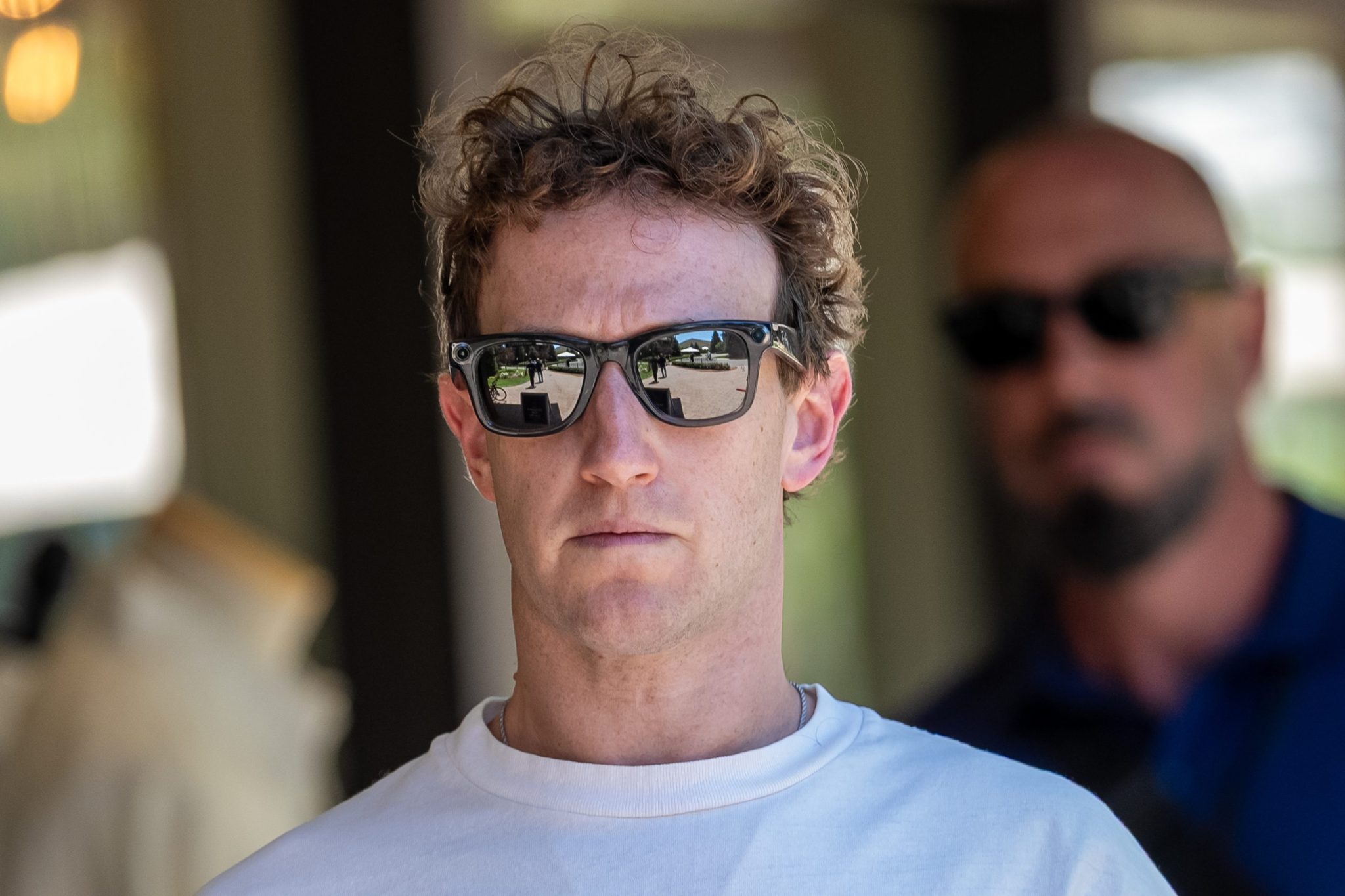
Image via Fortune
Meta writes an $18 billion check and still can’t buy trust
Meta’s $18 billion settlement is massive, but Fortune’s point is sharper: it doesn’t solve the underlying trust deficit around child safety and platform governance. This is the modern tech tax: you can monetize attention at scale, but society sends you a bill when the externalities get too loud.
Financially, Meta can afford it. Strategically, it’s a reminder that regulatory risk is now a recurring expense line, not a one-time shock. That changes how investors should think about margins, buybacks, and the durability of ad targeting models.
The second-order effect is competitive. The biggest players can pay, comply, and keep shipping. Smaller platforms can’t, which quietly entrenches the incumbents even as politicians claim they’re cracking down.
📈 Fred's Take: The settlement is not the story; the ongoing compliance drag is. Meta will likely keep printing cash, but the market should haircut the multiple because “regulatory stability” is gone for the whole social stack. If you own it, own it as a cash-flow machine with a permanent political discount, not as a beloved growth narrative.
📎 Fortune
That’s the tape: rates set the price of everything, and politics is trying to set the price of rates. Trade accordingly.
— Fred Frost

