Today’s Sponsor
History shows a clear pattern: the investors who recognized the exact inflection point in the dot-com boom pocketed 400–800% gains in 18 months. Those who spotted the same moment in cloud computing saw 300–600% returns. Based on 50 years of market data, that same moment is happening right now — and the acceleration phase has already begun.
This free 7-page report reveals where we are in the current megatrend cycle, why the next 18 months are critical, and how to position yourself before the window closes. Don't be the investor who enters too late.
Get the Free ReportBy clicking 'Get the Free Report' you are automatically subscribing to Darwin Investor Network and will receive a free subscription to the Chaikin PowerFeed newsletter. Unsubscribing is easy. Privacy Policy

Tuesday, June 30, 2026 — Politics is price. Rates are gravity. Energy is the tax. AI is capex. Sea lanes are inflation. Here’s what matters.
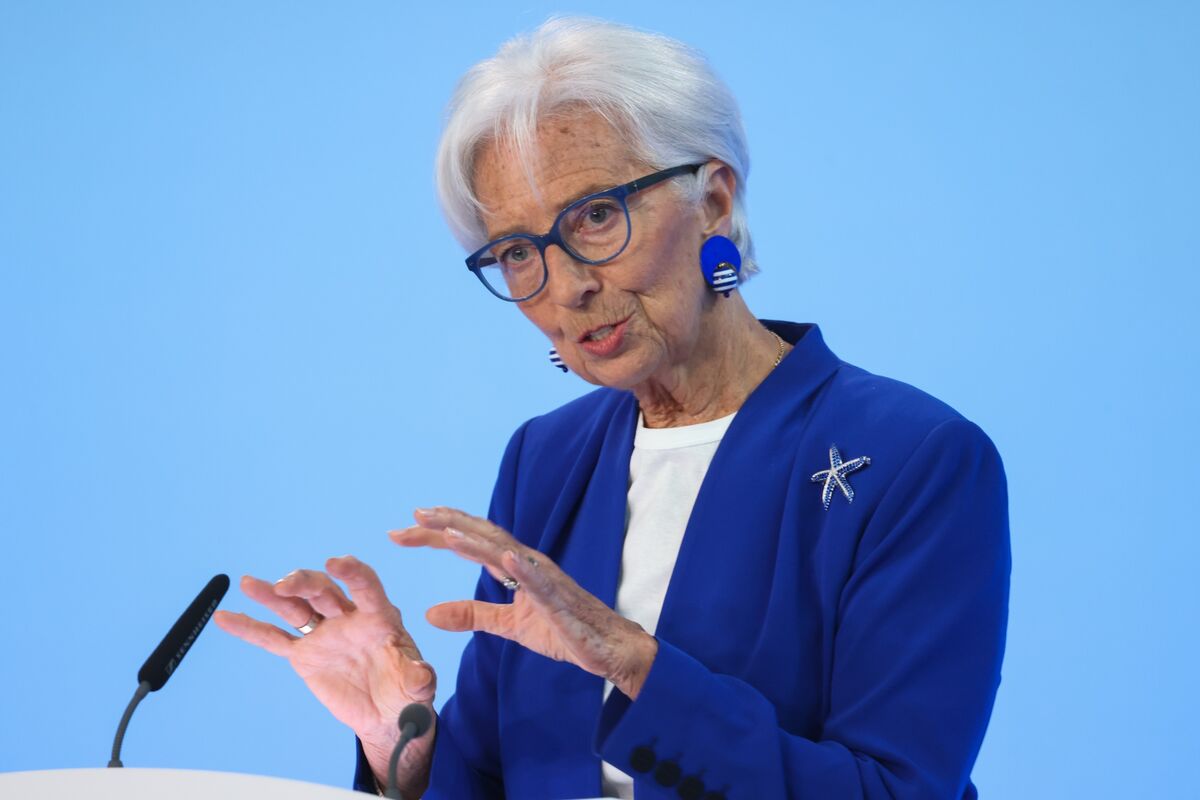
Image via Bloomberg
ECB Plays Cute While Inflation Cools — Markets Want a Map, Not Poetry
ECB policymakers are in Portugal with fresh data showing euro-area inflation easing. The problem isn’t the data — it’s the messaging. They’re keeping optionality high, and that’s code for: they don’t want markets to front-run a path they may have to reverse.
When central banks turn “data-dependent” into a lifestyle, you get choppy rates, a twitchy euro, and equity multiples that can’t settle. Investors are trying to handicap whether cuts are coming on a clean glidepath or in stop-start bursts as growth wobbles and services inflation refuses to die.
The euro zone’s setup is simple: lower inflation is constructive, but the growth engine is still fragile and the banking channel is sensitive to rate volatility. The ECB’s biggest risk isn’t cutting too late — it’s cutting, then having to talk tough again because inflation re-accelerates or energy rips.
📈 Fred's Take: Europe is trading like a volatility product because the ECB is refusing to sell a rate trajectory. That keeps EUR choppy, holds a bid under Bunds on growth fear days, and caps upside in European cyclicals. If you want cleaner risk, you buy U.S. duration on global slowdown days and keep euro equities hedged — the ECB’s “guessing game” is a tax on multiples.
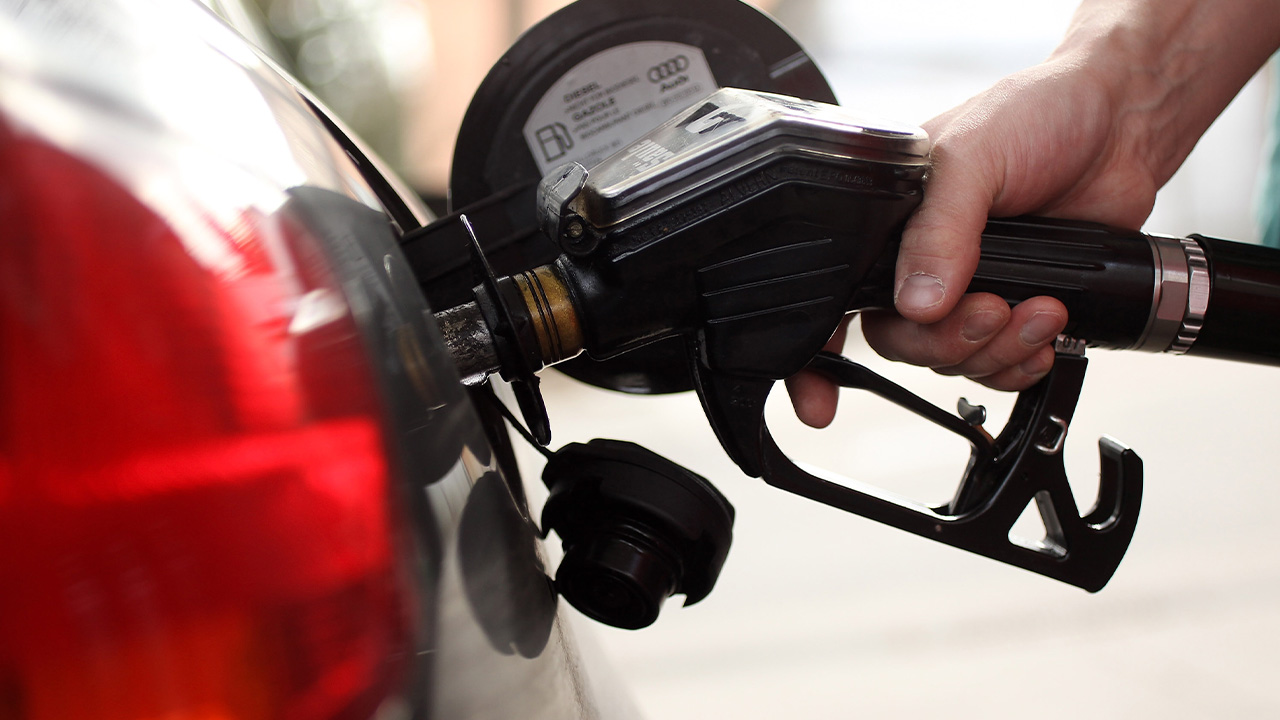
Image via Fox Business
Trump Orders $2.50 Gas — That’s Not Policy, It’s a CPI Trade
President Trump is publicly demanding gas stations drop pump prices immediately, renewing his push for $2.50 gasoline and warning of consequences for “price gouging.” It’s a populist message with a very specific target: the consumer mood and the headline CPI print.
Gas prices are the most visible price in America — they hit sentiment faster than any jobs report. So the White House is treating gasoline like a political asset that needs to be marked down, whether through jawboning, optics, or pressure campaigns that make retailers the villain.
But retail pump prices don’t set themselves. They’re downstream of crude, refining margins, regional supply, and taxes. If the administration starts leaning on the industry in a way that distorts incentives, you can get the classic unintended consequence: lower near-term prices followed by tighter supply and higher volatility.
📈 Fred's Take: This is CPI management by microphone, and markets should treat it as such. Near term, it’s a headline-inflation dampener narrative — supportive for rate-cut hopes and consumer discretionary — but it also raises regulatory/political risk for energy equities and refiners. If you’re long energy, size it like Washington is part of the volatility surface, because it is.

Image via Fox News
Stephen A. Smith Says “Socialism” Hands GOP the White House — Markets Hear: Tax Risk, Not Tweets
Stephen A. Smith is warning Democrats that embracing democratic socialism could “hand the presidency to the GOP,” pointing to the party flirting with candidates and rhetoric that read as anti-capital, anti-police, and anti-business to swing-state voters.
Strip out the cable-news framing and this matters because elections are probability machines. When the Democratic brand shifts toward aggressive redistribution, price controls, and heavier regulation, capital starts discounting higher corporate tax odds, more labor pressure, and increased scrutiny on buybacks, M&A, and “windfall” profits.
At the same time, a visible leftward lurch can also strengthen the GOP’s electoral math — which markets often interpret as lower tax risk but higher tariff/trade and geopolitical risk. Either way, the key isn’t who yells loudest. It’s what policy set becomes more likely.
📈 Fred's Take: Markets don’t care about labels — they care about the cash flow statement. If Democrats lean into socialism-adjacent economics, you’ll see risk premia widen in healthcare, big banks, energy, and mega-cap tech under the “breakup/tax” umbrella. The trade is simple: election uncertainty raises vol; pick your exposures and stop pretending politics is “noise.”
📎 Fox News

Image via Washington Examiner
Anthropic Lost the Skirmish — But It’s Still Trying to Write the Rules of AI
Anthropic has been the most aggressive major AI player in stoking fears about AI risk and pushing governments to create a regulator with “teeth.” The piece argues it may have lost a near-term battle — likely in public persuasion or policy momentum — but could still win long-term by shaping how AI gets governed.
This is the real game: regulation is a moat if you’re big enough to comply. The moment Washington or Brussels builds a licensing regime, audit mandates, model reporting, and liability frameworks, the cost of doing business rises — and the startup field gets thinned. That’s not an accident. That’s strategy.
Investors should watch the second-order effects: compute demand concentrates in a handful of approved providers, compliance vendors become a real category, and incumbents gain pricing power. “Safety” becomes the lobbying wrapper for market structure.
📈 Fred's Take: If Anthropic helps manufacture a heavy regulatory perimeter, the winners are the companies with scale, lawyers, and capex — not the garage teams. This is bullish for the AI infrastructure stack (chips, data centers, power) and for the dominant platform players that can absorb compliance as a fixed cost. The only clean bearish read is on small-cap AI app names that thought they’d compete on speed alone.

Image via National Review
Hormuz Isn’t Kept Open by Law — It’s Kept Open by U.S. Power, Which Means Oil Has a Geopolitical Put
The National Review argument is blunt: the Strait of Hormuz stays open historically not because of international law, but because Tehran understands the U.S. won’t tolerate meaningful restrictions. This is a reminder that maritime chokepoints are enforced by capability, not paperwork.
For markets, Hormuz is an inflation lever. If it’s perceived as secure, crude risk premium compresses, shipping insurance stays sane, and global CPI breathes. If confidence cracks — even without an actual closure — you get a volatility spike in crude, a bid in defense, and renewed pressure on rates via inflation expectations.
The key is credibility. Deterrence works until it doesn’t, and the market reprices that transition instantly. Oil doesn’t need a blockade to rally — it just needs a probability shift.
📈 Fred's Take: Treat Hormuz as a geopolitical call option embedded in every inflation print. If U.S. deterrence is credible, dips in oil are sellable rallies and energy volatility fades; if deterrence looks political or inconsistent, you buy protection — crude upside, gold, and defense — and you don’t fight higher breakevens. International law won’t hedge your portfolio; positioning will.
That’s the tape: central banks obfuscate, politicians jawbone prices, elections reprice tax risk, AI firms lobby for moats, and oil trades on deterrence. Trade what’s real.
— Fred Frost
