Today’s Sponsor
Tax season creates hidden market shifts that can mislead investors. Refunds hit accounts, portfolios get rebalanced, and positions move to cover obligations — creating liquidity changes that make small-cap moves appear more meaningful than they actually are.
Our 2026 Market Flow Briefing reveals how tax-season liquidity affects market action, why current moves seem disconnected from fundamentals, and exposes one profitable setup emerging under these exact conditions.
Get the Free Briefing*We encourage readers to perform their own research and due diligence on any information we provide. By clicking the link you will automatically be subscribed to the Stock Wire News Newsletter.

Monday, June 15, 2026. One geopolitical headline lit a risk-on fuse. Now the real test is whether policy adults show up — at the Fed, at the G7, and inside the AI-industrial complex.
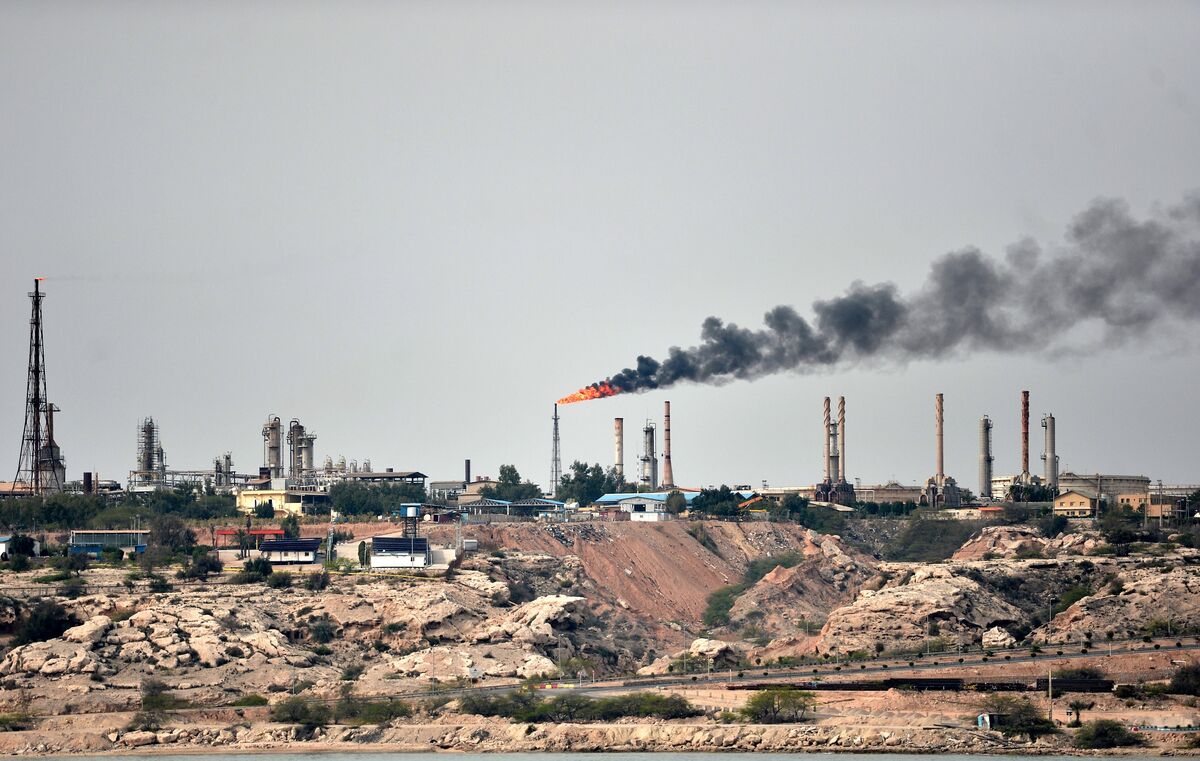
Image via Bloomberg
Iran Deal Hits the Tape, Risk On — But Don’t Confuse a Headline With a Regime Change
Markets rallied on news of a U.S.-Iran deal, with the classic playbook: lower perceived tail risk, lower crude risk premium, higher equities. When traders smell “less Middle East blowup,” they buy cyclicals, sell some energy beta, and tighten credit spreads first — then the headlines get retrofitted into narratives.
The open question isn’t whether this calms things for a week. It’s whether enforcement, verification, and domestic politics on both sides hold together long enough to matter for supply chains, shipping insurance, and energy flows. Any deal with ambiguous timelines becomes a volatility factory: you get relief rallies, then you get “sources say” reversals the minute compliance gets noisy.
📈 Fred's Take: Treat this like a vol event, not a new era. The tradable impulse is lower near-term oil risk premium and a bid to broad risk — but keep your hedges because the failure mode is sudden and political, not gradual and economic. If crude fades, it’s a tax cut for consumers and a tailwind for discretionary and transports; if it snaps back, you’ll wish you didn’t chase the first candle.
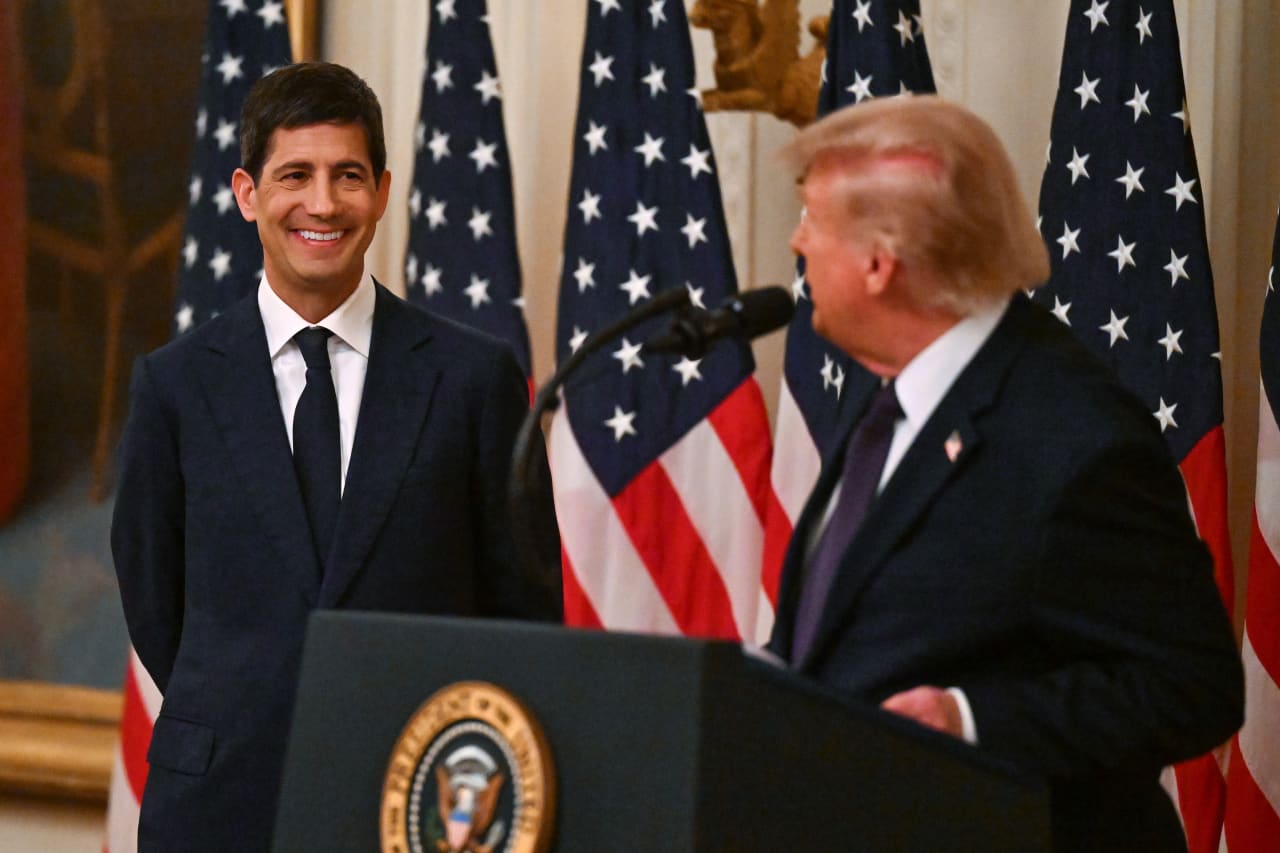
Image via MarketWatch
Meet Chair Warsh: The Market’s New Favorite Uncertainty Engine
Kevin Warsh is walking into his first Fed meeting with economists openly split on what he’ll prioritize: inflation optics, market functioning, or a rules-based reset. That uncertainty matters because the Fed doesn’t just set rates — it sets the distribution of outcomes. When the street can’t handicap the reaction function, term premium creeps up.
The press conference is the whole trade. Traders will parse whether he talks like a hawk who wants credibility at any cost, or a pragmatist who cares about financial conditions and liquidity. Translation: does he bless a higher-for-longer posture, or does he signal a willingness to cut if growth cracks even a little?
📈 Fred's Take: First meetings are where new chairs try to “establish seriousness.” That usually means tighter rhetoric than the market wants, even if policy doesn’t change immediately. I’d expect rates volatility up, not down — and that’s a headwind for long-duration tech and anything priced off easy liquidity (unprofitable growth, frothy IPOs, marginal crypto). If Warsh comes in hot, the front end sells, the dollar pops, and equities learn to live without the Fed put.
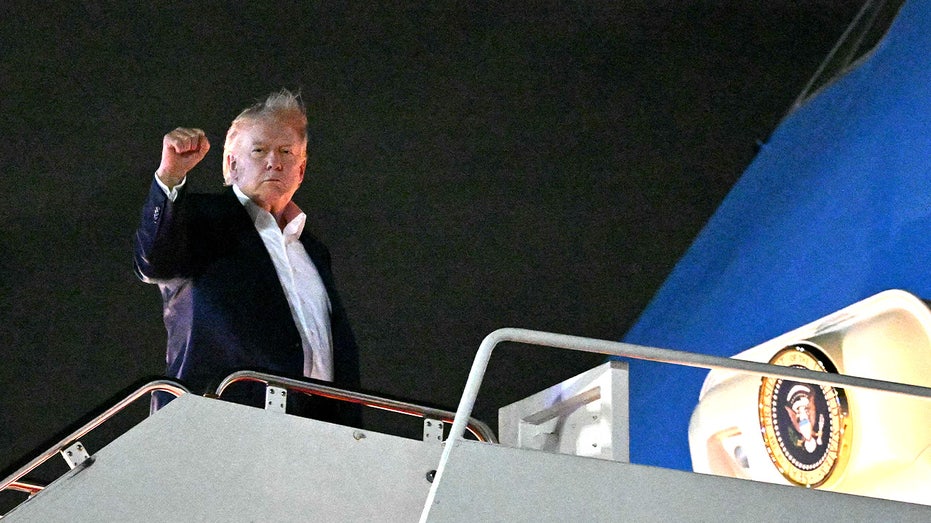
Image via Fox News
Trump Rolls Into the G7 With Iran Momentum — and a Backpack Full of Tariff Matches
Trump heads to the G7 with a geopolitical win in his pocket on Iran, but the summit agenda is the usual minefield: trade disputes, AI rules, China dependency, and NATO burden sharing. The “America First” posture means allies hear negotiating leverage; markets hear headline risk.
The problem is tariffs don’t just hit “foreigners.” They hit input costs, capex plans, and corporate margins — then they show up in inflation prints with a lag, daring the Fed to stay tighter for longer. Meanwhile, every new cross-border fight pushes multinationals to re-route supply chains again, which is expensive, slow, and messy.
📈 Fred's Take: Geopolitical wins can buoy risk for a moment, but trade fights are the slow bleed that matters for portfolios. If tariff talk escalates, think higher inflation floor, higher rate volatility, and pressure on global cyclicals with complex supply chains (industrials, autos, semis hardware). The cleanest hedge is quality domestic cash-flow and selective energy/materials — because trade friction is just a tax with better branding.
📎 Fox News
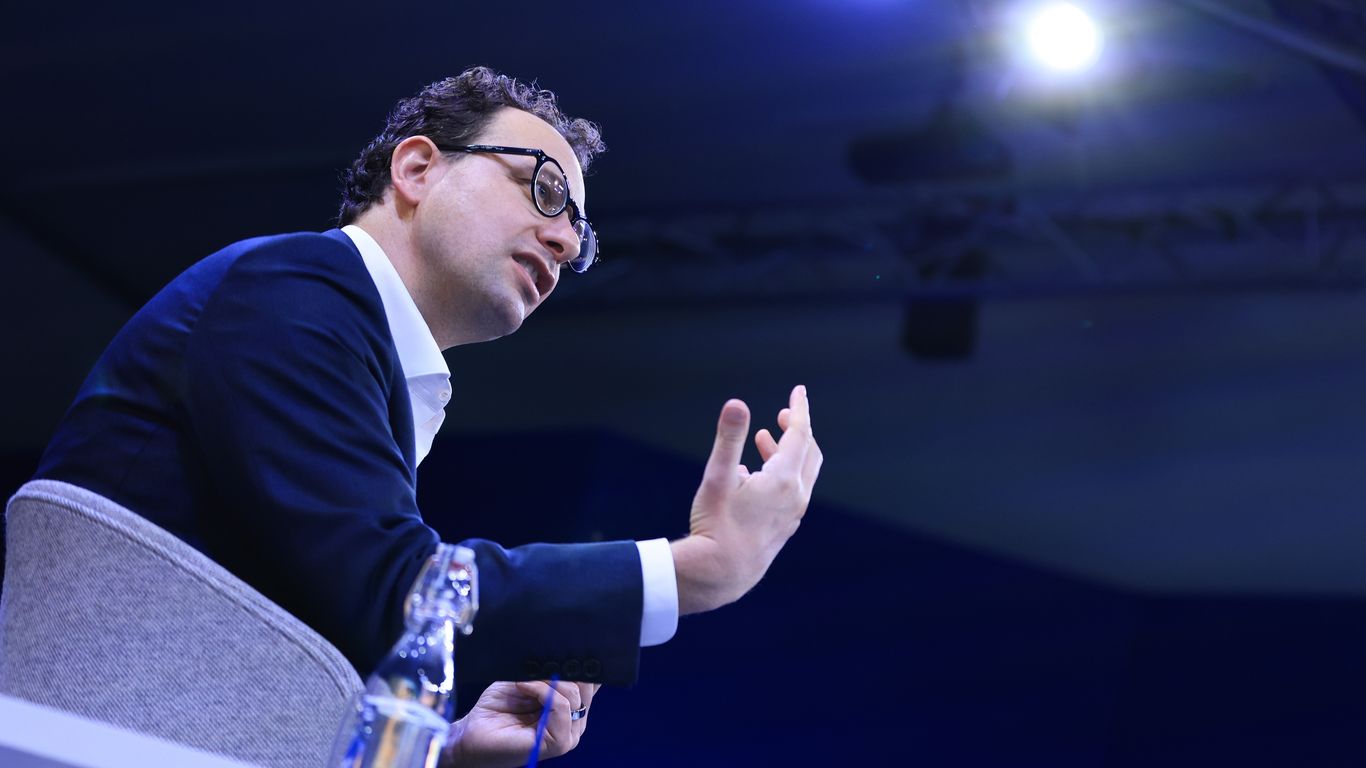
Image via Axios
Anthropic Went Dark Because Adults Couldn’t Share a Room — That’s Your AI Regulatory Risk Premium
Axios reports Anthropic’s models went offline amid internal personality clashes and a breakdown in communication — with the Trump administration already irritated. This isn’t just Silicon Valley drama. When frontier model providers stumble operationally, it becomes political instantly: “safety,” “reliability,” “national competitiveness,” and “who’s accountable” all land on the same desk.
Outages and infighting hand regulators the easiest narrative in the world: these systems are too important to be run like a group chat. That invites oversight, procurement freezes, and a shift in government and enterprise dollars toward vendors that look boring, stable, and controllable — even if their models are slightly worse.
📈 Fred's Take: AI is starting to trade like critical infrastructure, not like an app. Reliability and governance will become a valuation multiple — and chaos will become a discount rate. If you own the AI stack, overweight the picks-and-shovels (compute, networking, power, security) and the platforms with enterprise-grade uptime; underweight the outfits that can’t keep the lights on when Washington is watching.
📎 Axios
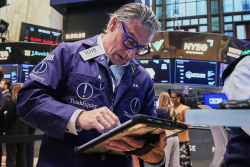
Image via RealClearMarkets
“2026 Has Been Calm” — Sure, If You Ignore How Fast Calm Turns Into Gap Risk
RealClearMarkets argues 2026 has been relatively calm despite some notable daily swings, pointing to a broader pattern: volatility feels scarier in the moment than it looks in hindsight. That’s true statistically — most years are a grind punctuated by a few sharp days that dominate the story.
But “calm” is not the same as “safe.” Calm regimes build leverage, narrow risk budgets, and encourage crowded positioning. Then a policy surprise, a liquidity hiccup, or a geopolitical headline hits, and the air pocket shows up when everyone tries to exit through the same door.
📈 Fred's Take: Low-vol tapes are where portfolios get sloppy. Use “calm” to rebalance, raise your quality bar, and buy protection when it’s cheap — not when VIX is already screaming. The best investors don’t predict the shock; they structure so they can survive it and buy when others can’t.
That’s the setup. Trade the policy, respect the rates, and don’t let one good headline trick you into dropping risk controls.
— Fred Frost
