Today’s Sponsor
The Fed held rates, inflation is still above target, and uncertainty is rising — that means the "buy anything AI" trade is over. Smart money is rotating fast toward the companies actually building AI infrastructure: chips, cloud capacity, and mission-critical data tools. Big Tech alone is projected to spend $635B–$665B on AI in 2026 — and not all of it is going where most investors are looking.
We've identified 9 AI stocks worth watching right now — including a lesser-known chip name tied to U.S. AI infrastructure, a cloud player with improving setup, and a data analytics company with government exposure. This isn't hype. It's about following where capital is actually being deployed.
Get the Free Report NowBy clicking the link above, you will receive this free report and a free subscription to the StockEarnings daily email newsletter. You are also agreeing to the terms of our Privacy Policy. Unsubscribe at any time.

Markets don’t trade feelings. They trade flows, fuel, and policy. Today: Iran/Hormuz headlines put a bid in crude and defense, a Trump-adjacent fuel brand gets dragged into a receivables fight, flash floods hit travel and insurers, Iowa Dems test a new message, and the real way to AI-proof kids isn’t another app.
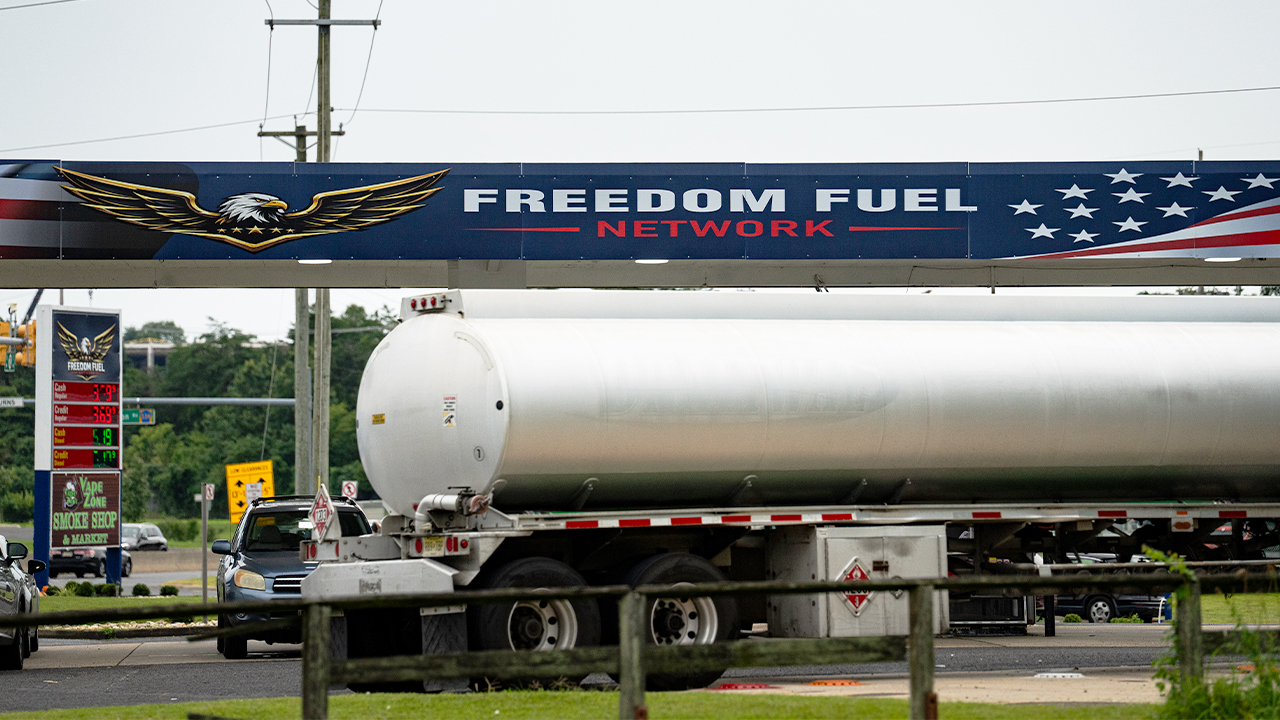
Image via Fox Business
Freedom Fuel gets a courtroom stress test: $4M allegedly unpaid for 1.1M gallons
Mansfield Oil is suing distributor KRSM, alleging nearly $4 million in unpaid invoices tied to more than 1.1 million gallons of fuel. Some of that fuel, per the complaint, moved through Trump-promoted Freedom Fuel stations.
This isn’t “just a lawsuit.” It’s what happens when branding outruns balance sheets. When a retail concept leans on politics for customer acquisition, counterparties still care about one thing: getting paid. If Mansfield is right, the supply chain is already tightening its credit terms in the background.
Watch the second-order effects: distributors get squeezed, stations get shorter payment windows, and wholesalers demand tighter collateral. In fuel retail, that can turn into empty tanks fast, especially during volatility in crude and wholesale spreads.
📈 Fred's Take: This is a reminder that “brand” is not “credit.” If you’re invested anywhere near private fuel retail, payment processors, or small-cap distributors, assume working-capital stress shows up before the press release does. Markets punish thinly capitalized middlemen first, then they punish the lenders who pretended receivables were cash.

Image via TODAY
Grand Canyon flash floods: tragedy first, then the insurance math
Flash floods tore through parts of the Grand Canyon, killing at least one person and leaving 15 potentially missing as search efforts continue. Tourism corridors and park access can change quickly when weather turns violent.
The market angle isn’t crass, it’s mechanical: extreme-weather frequency keeps migrating from “tail risk” to “baseline.” That shifts costs into insurers, reinsurers, municipal budgets, and travel operators. Every big event teaches actuaries the same lesson: yesterday’s models are underpriced.
Near term, expect disruptions in regional travel and cancellations, but the durable impact is on insurance pricing and availability in flood-adjacent zones. When coverage gets scarce, real estate liquidity gets hit next.
📈 Fred's Take: Climate risk is now a cash-flow risk. If you own insurers, reinsurers, or regional banks heavy in property exposure, you want to know exactly how flood risk is being re-rated and who’s eating deductibles. This is another nudge toward higher premiums, tighter underwriting, and more capital flowing to the few carriers that can actually price catastrophe risk correctly.
📎 TODAY

Image via The Hill
Iowa Democrats test a working-class reset: less culture, more competence
A Hill analysis highlights Iowa Democrats trying to claw back working-class white male voters by emphasizing practical themes like healthcare costs, government efficiency, and rights framed in everyday terms. The pitch is less ideological signaling and more “your bills are too high and your government is wasting your money.”
If this spreads nationally, it changes the market’s political base case. A Democratic message anchored in efficiency and cost-of-living is friendlier to permitting reform, tougher oversight on waste, and potentially less reflexive hostility toward domestic energy. It also pressures Republicans to defend governance, not just grievance.
Investors should treat this as early evidence that the next cycle could revolve around execution: who can deliver cheaper essentials, faster infrastructure, and stable pricing. That’s a different policy mix than the market has been trading for years.
📈 Fred's Take: A credible “competence Democrat” lane is market-positive if it reduces policy whiplash and keeps the center of gravity on costs and delivery. If Dems can talk like auditors instead of activists, you’ll see a rotation in what Washington can pass: more permitting, more targeted enforcement, fewer headline-only bills. Watch polls with union households and non-college men; if the slope changes, so does your election hedge.
📎 The Hill
Image via Washington Examiner
The only way to AI-proof kids: stop training them to be human photocopiers
A Washington Examiner op-ed argues the panic about AI misses the point: the future doesn’t belong to students who can reproduce answers. It belongs to students who can ask better questions, synthesize messy inputs, and build original work.
Markets already agree. AI makes average output cheaper and faster, which compresses wages in “repeatable” knowledge work. The premium shifts to judgment, taste, persuasion, domain expertise, and the ability to manage systems. Education that rewards compliance over creation is effectively shorting your kid’s future earnings.
The investment implication shows up in labor and in sectors: tools that automate routine work keep winning, while institutions that sell credentialing without skills get exposed. The winners are programs that teach building, explaining, debating, and iterating in public.
📈 Fred's Take: AI doesn’t replace your kid. It replaces the version of your kid trained to follow templates. From a capital markets standpoint, the next decade is a barbell: top-tier creators and operators get paid, everyone else gets software. If you want an “AI hedge,” invest time in writing, math, public speaking, and building real projects, because those are the compounding skills the models don’t hand you for free.

Image via Daily Caller
U.S. hits Iran as Hormuz mining prep detected: crude volatility back on the desk
The U.S. resumed strikes on Iran after observing preparations to mine the Strait of Hormuz, with CENTCOM saying U.S. forces struck two Iranian launchers on Larak Island. Hormuz is the global oil choke point, so any credible disruption threat immediately re-prices energy risk.
This is the kind of headline that moves markets before it moves policy. Crude gets a risk premium, tanker insurance costs jump, and defense names catch a bid. The second-order trade is inflation expectations: higher energy feeds breakevens, complicates rate-cut narratives, and tightens financial conditions at the margin.
Crypto and gold react differently depending on follow-through. A one-off strike is “risk-on after relief.” A sustained Hormuz threat is “pay up for hedges.” The tape will tell you which regime you’re in.
📈 Fred's Take: Don’t overthink it: Hormuz risk is an energy vol trade first and an inflation trade second. If this escalates, oil up means breakevens up, which means long-duration growth gets clipped and defensives outperform. I’d rather own quality energy cash flows and selective defense than chase broad equity beta into a geopolitical supply shock.
That’s the board. Price the flows, not the narratives. Fred Frost, Morning Bullets
— Fred Frost
