Today’s Sponsor
🎃 The market has its own tricks — and October is full of them. Sudden momentum, unusual activity, and stocks making big moves before anyone else notices. Don't get caught off guard.
GuyStocks delivers real-time momentum alerts 🕷️, flags unusual stock activity 👻, and gives you clear, actionable insights ⚡🔎 — so you're ahead of the move, not chasing it. And it's 100% free to join 🆓.
Join GuyStocks Free TodayBy clicking the button above, you agree to receive emails from GuyStocks.com. You can opt out at any time. — Privacy Policy

One ugly payroll print, one Middle East force-protection tell, and two fronts in the U.S.-China tech war. Politics is positioning. Markets are pricing.
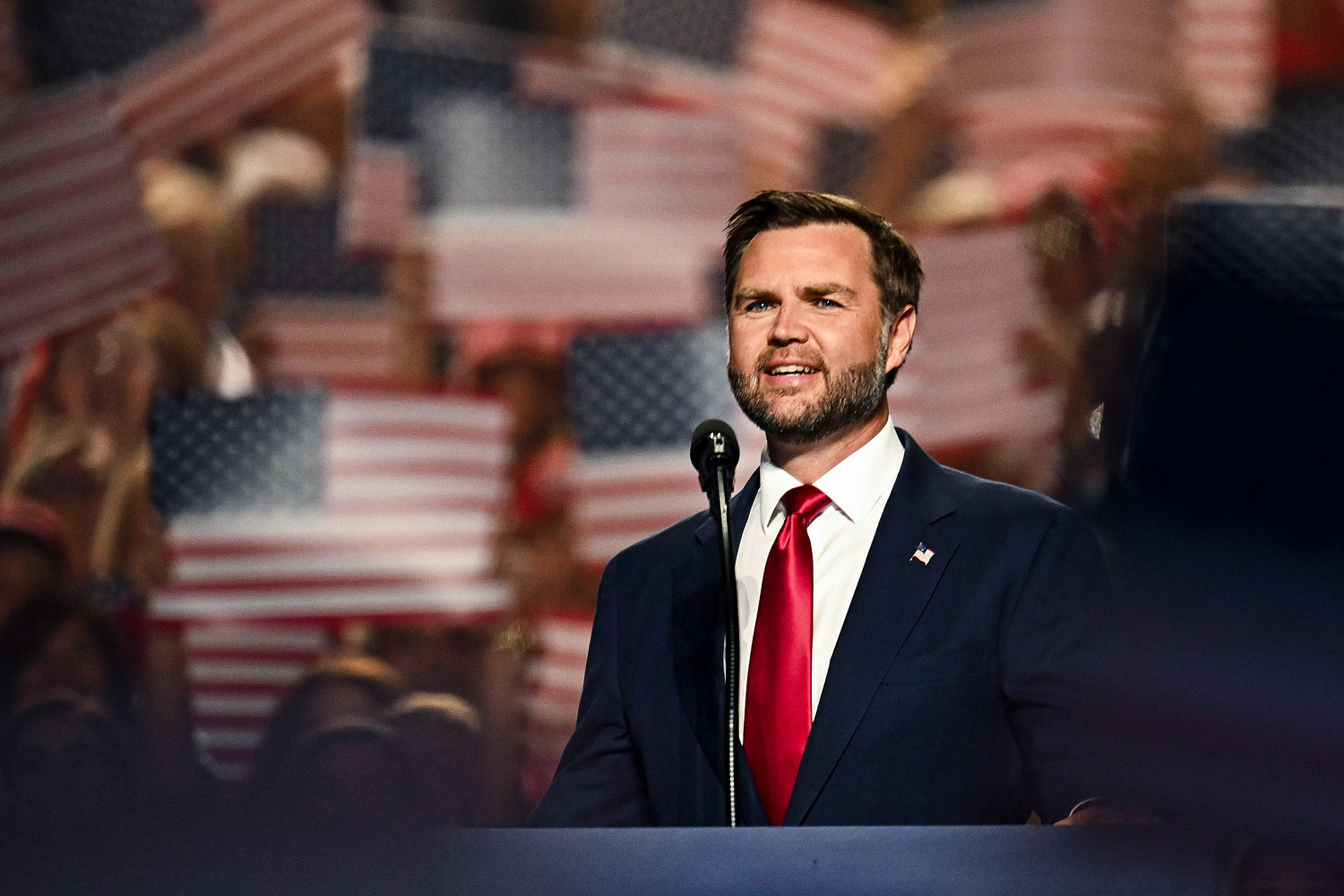
Image via NBC News
Vance Floats 2028 While Flagging a Rough Midterm Map
Vice President JD Vance is saying the quiet part out loud: the GOP has an uphill climb in the midterms, and he plans to treat the results as a datapoint for 2028. Translation: he wants donors and activists to know he is watching the scoreboard, and he is already building an argument for either running or waiting.
He also name-checks Ted Cruz in the mix, which is less about Cruz and more about the factional math inside the party. If the midterms go sideways, the internal blame game starts immediately, and the 2028 field will sort itself by who can raise money, avoid being tagged with the loss, and offer a clean narrative.
Markets don’t vote, but they do react to political probability. A weak midterm for the incumbent party typically increases gridlock odds, which usually supports risk assets by capping big fiscal surprises. But the path there matters: if the GOP interprets a win as a mandate for hardline trade and immigration shocks, you can get the worst combo for markets: policy volatility with tight financial conditions.
📈 Fred's Take: Vance is telegraphing a hedge: if the midterms are ugly, he’ll frame 2028 as a rescue mission; if they’re good, he’ll claim momentum. For portfolios, the key is gridlock probability and trade rhetoric intensity. The more 2028 chatter pulls the party toward tariffs and industrial policy brinkmanship, the more you want quality balance sheets, defense, and energy over long-duration story stocks.
📎 NBC News
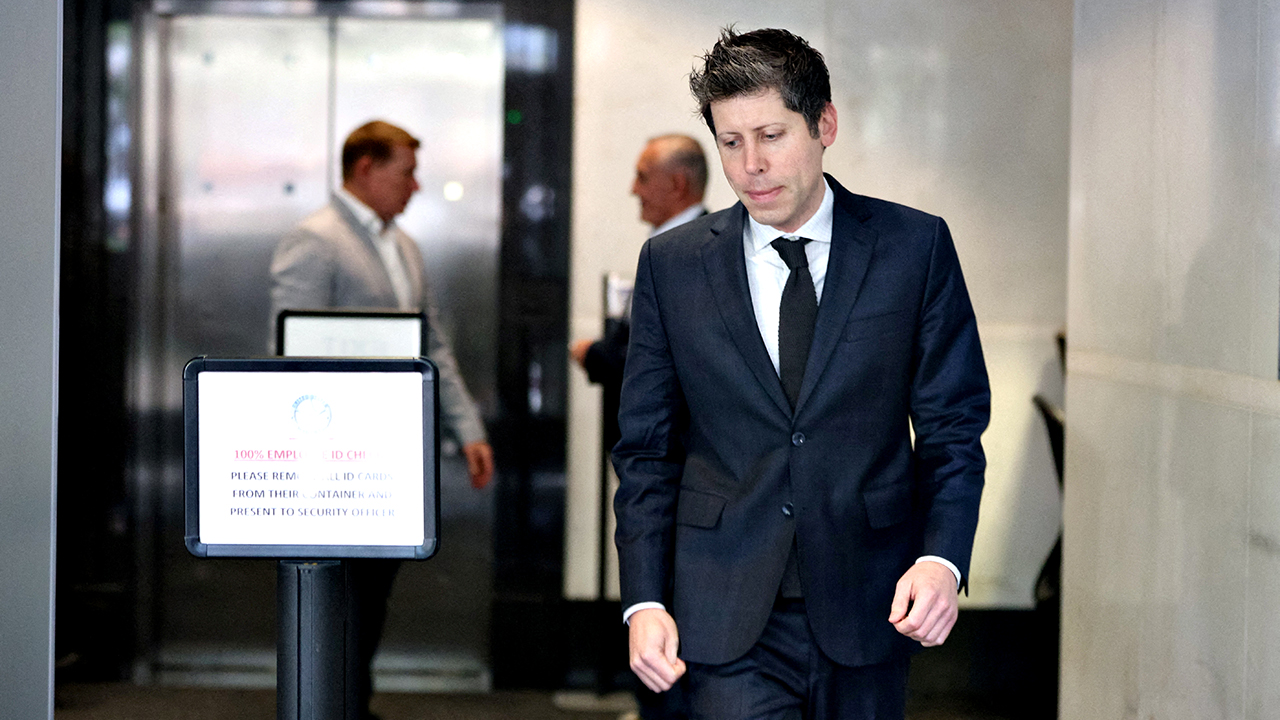
Image via Fox Business
OpenAI Boots Safety Staff: Governance Risk Just Got Pricier
Three safety researchers were fired from OpenAI after allegedly sharing confidential information with a third party, according to a report citing sources. Regardless of who’s right on the facts, it’s another reminder that the AI gold rush is now a governance war: secrecy, security, and internal dissent are becoming core operating risks.
This isn’t just HR drama. It’s about model controls, training data, and release pipelines, and those are the levers regulators care about. Every headline like this widens the gap between the AI leaders with compliance muscle and the rest of the field trying to ship product at startup speed.
For markets, the second-order effect is straightforward: higher perceived governance risk pushes customers and partners toward the largest platforms, and it raises the cost of capital for AI-adjacent firms that can’t prove controls. It also accelerates the push toward on-prem and sovereign AI deployments, which is bullish for enterprise infrastructure spend.
📈 Fred's Take: AI valuations still assume frictionless scaling; governance friction is now real and it compounds. If you’re investing in the AI stack, favor the picks-and-shovels that benefit from more security, more audits, and more enterprise paranoia: compute, networking, data tooling, and defense-grade cloud workflows. The pure app-layer flyers get punished when trust and compliance become the product.

Image via The Hill
September Payrolls: 29,000 Jobs and a Higher Unemployment Rate
The U.S. economy added 29,000 jobs in September, and the unemployment rate ticked up to 4.2%. That’s not a soft landing print; that’s a stall. Hiring is thinning out fast, and it’s happening while the market is still conditioned to treat every dip as temporary.
This kind of number changes the policy conversation immediately. Weak payrolls plus rising unemployment pulls forward the moment when the Fed has to decide whether “higher for longer” becomes “too tight for too long.” Bond traders will lean into cuts; equity traders will try to front-run the pivot; credit will start caring about downgrades again.
Watch what happens next: revisions, participation, and hours worked. If revisions are negative and hours roll over, earnings expectations are still too high. If wages stay sticky while hiring slows, you get margin compression and layoffs later, not a clean glide path.
📈 Fred's Take: This is the print that makes duration matter again. I’d rather own high-quality duration and selective growth than broad cyclicals chasing a fading cycle, but I’m not paying any price for it. Expect lower front-end yields and a market that swings between “Fed rescue” and “recession math” every other day; keep dry powder and don’t confuse a rally in bad news with an all-clear.
📎 The Hill
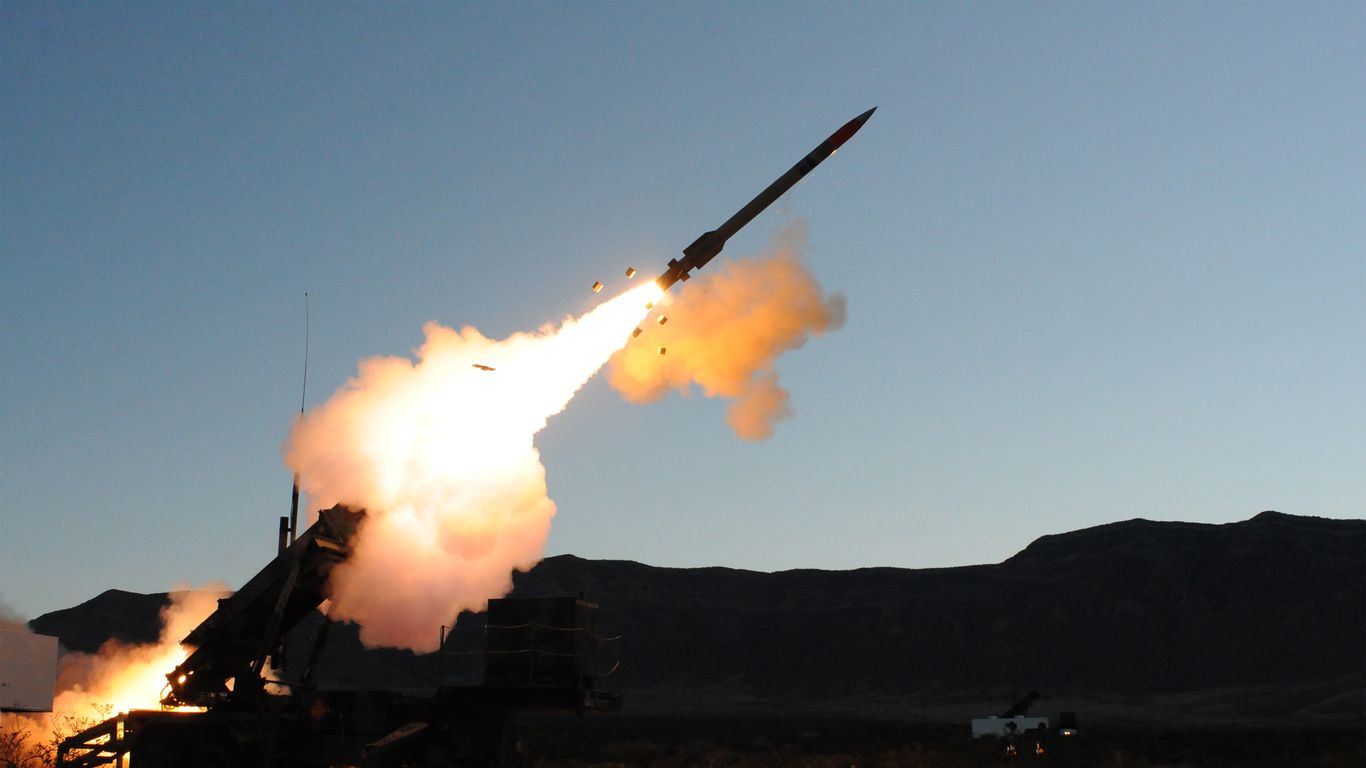
Image via Axios
More Patriots to Saudi and Qatar: Energy Insurance Isn’t Free
The U.S. sent two additional Patriot missile batteries to protect oil and gas facilities in Saudi Arabia and Qatar, per officials cited in a new report. That’s force protection, but it’s also messaging: the U.S. is signaling it expects elevated risk to critical energy infrastructure.
Markets should read this as a volatility bid under crude, not necessarily an immediate supply shock. Patriots don’t move unless someone’s worried about drones, missiles, or proxy escalation. Even without a hit, the risk premium can widen because shipping, insurance, and operational security costs creep up.
The knock-on trade is inflation sensitivity. If energy risk lifts gasoline and freight costs, it complicates the Fed’s job right when payrolls are weakening. That’s the ugly setup: slower growth with an energy-driven inflation impulse.
📈 Fred's Take: This is a reminder that geopolitics is still a live factor in your CPI basket. I like being long energy quality and underweight anything that needs cheap fuel and smooth logistics to hit numbers. If crude pops on headlines, don’t chase it blindly; use strength to reposition into producers with cash flow discipline, not high-beta explorers.
📎 Axios

Image via South China Morning Post
China’s C919 Runs Into a U.S. Parts Wall
Analysts say China’s C919 passenger jet is facing further delivery delays as the U.S. reportedly tightens exports of aircraft parts to China. This is industrial policy as a throttle: you don’t need to ban the whole plane, you just need to slow the critical components and certification pathway.
Beijing wants an Airbus-Boeing alternative for strategic independence. Washington wants leverage and guardrails. The result is predictable: production bottlenecks, higher costs, and a longer runway to scale. Airlines don’t buy national pride; they buy reliability, financing, and maintenance ecosystems.
For investors, the lesson is that supply chains are now policy chains. Aerospace, avionics, and high-end manufacturing are entering the same regime semiconductors did: export controls, substitution attempts, and a lot of wasted capex chasing local duplication.
📈 Fred's Take: This is bullish for the incumbent Western aerospace ecosystem and bearish for the idea that China can quickly build a globally competitive commercial jet supply chain under restriction. Expect more retaliation risk in other categories, which argues for diversifying Asia exposure and avoiding single-country dependency in industrial portfolios. The winners are the firms that sell indispensable components with compliant routing and pricing power.
Trade the reality, not the narrative. See you pre-market Monday.
— Fred Frost
