Today’s Sponsor
Gold's rally isn't over — and institutional investors know it. As economic uncertainty, rising debt, and shifting fiscal policy reshape the financial landscape, smart savers are turning to physical gold held inside tax-advantaged IRAs to protect what they've spent a lifetime building. The window isn't closed. But it won't stay open forever.
The Reagan Gold Group Wealth Protection Guide shows you exactly how physical gold can legally and tax-efficiently anchor your retirement — covering IRS-approved assets, portfolio strategies, and why experienced investors are repositioning now before markets shift further. Get the clarity you need to act with confidence.
Get Your FREE Wealth Protection GuideThis is an advertisement. Reagan Gold Group does not provide financial, legal, or tax advice. This information is for educational purposes only and should not be considered investment advice. All investments carry risk, including loss of principal. Past performance is not indicative of future results. Consult your licensed financial advisor before making investment decisions. If you no longer wish to receive this promotional message, please Unsubscribe. Or write to: 2029 Century Park E Suite 400, Los Angeles, CA 90067.

Friday, September 4, 2026. Payrolls came in “fine” but the pay math still stinks, diesel just punched the supply chain in the face, and the market’s biggest AI winner is drifting into its next regime. Washington is doing what Washington does: spending, posturing, and pretending it doesn’t hit your P&L.

Image via NBC News
Payrolls +162K: The Labor Market Isn’t Breaking, But Real Pay Still Is
The U.S. added 162,000 jobs in August. That’s not a boom, not a bust. It’s the kind of number that keeps the “soft landing” storyline alive and keeps politicians from panicking.
The problem is the same one that’s been grinding households all year: wage growth is still lagging inflation. Jobs are there, but purchasing power isn’t. That’s how you get consumer resilience on the surface and consumer fatigue underneath it.
For markets, this is a messy mix. Growth doesn’t roll over, but the inflation impulse doesn’t die cleanly either. That keeps the Fed in the uncomfortable zone: not cutting as fast as investors want, not hiking enough to look tough, just holding tight while risk assets beg for easier money.
📈 Fred's Take: This report is “good enough” to keep equities propped up and “hot enough” to keep rate cuts from getting pulled forward. Translation: long-duration hype trades don’t get a free pass, and anything levered to the consumer stays vulnerable. If you’re positioned for a fast disinflation glide path, you’re early.
📎 NBC News
Fine Calls Pro-Hamas Rhetoric ‘Terrorism’: Markets Don’t Price Words—Until They Become Policy
Rep. Randy Fine is doubling down on calling U.S. politicians who rhetorically support Hamas “terrorists,” including high-profile local officials. It’s a deliberately escalatory label, designed to force a binary choice in a media cycle that rewards outrage.
This is domestic politics colliding with a very real geopolitical trade. Language like this has a way of turning into legislative proposals: sanctions, funding restrictions, visa and banking scrutiny, and pressure campaigns on institutions. Once that happens, it stops being cable news and starts being compliance.
The market angle isn’t about who wins the argument. It’s about whether Washington tightens the screws in ways that hit payment rails, remittances, NGOs, universities, and any corporation caught in the crossfire. More scrutiny means more friction, and friction is a tax on growth.
📈 Fred's Take: Treat this as early-stage regulatory risk, not just rhetoric. If it morphs into enforcement or sanctions, the winners are defense, cybersecurity, and compliance-heavy financial infrastructure; the losers are reputationally exposed consumer brands and any platform that lives on “hands-off” moderation. Politics is volatility when it starts touching money flows.

Image via Axios
Diesel at a Record $5.85: This Is Inflation’s Meanest Line Item
Diesel prices just surged to an all-time high, with AAA pegging the national average at $5.85 a gallon. Wars and supply disruption are doing what they always do: they find the tightest part of the energy complex and squeeze it.
Diesel isn’t just a pump price. It’s the price of moving everything: food, building materials, retail inventory, industrial inputs. Farmers and truckers can absorb only so much before it shows up as higher shelf prices or lower volumes.
This is the part of inflation that doesn’t politely “normalize.” It seeps into core through freight and logistics, then feeds back into wage demands and pricing behavior. If you’re looking for a clean disinflation trend, diesel is the wrench in the gears.
📈 Fred's Take: Record diesel is a flashing red light for anyone expecting quick rate relief. It’s bullish energy equities and refiners, bearish transport margins and consumer discretionary at the edges. If diesel stays pinned, the next CPI surprise won’t be about rent—it’ll be about getting goods from A to B.
📎 Axios

Image via RealClearMarkets
Nvidia’s Starting to Trade Like Apple Did: Dominant, Crowded, and No Longer Mispriced
A growing chorus is comparing Nvidia’s stock setup to Apple in the 2010s: category king, cash machine, ecosystem control, and the kind of investor ownership that turns dips into events. The argument is that the market is transitioning from “discovery” to “ownership.”
That matters because the best phase of a mega-winner is when the street is consistently behind the curve. The next phase is when everyone knows it’s great and the stock becomes a battleground over cadence: product cycles, margins, capex, and whether demand is pull-forward or durable.
Nvidia can keep compounding and still deliver a stock that feels “stuck” at times. That’s not failure—that’s what happens when expectations become industrial-grade and the multiple stops expanding. The alpha shifts from “just hold NVDA” to “own the right parts of the stack around it.”
📈 Fred's Take: NVDA isn’t a short; it’s a regime change. The easy multiple expansion is behind you, so the forward returns come from earnings execution and not vibes. If you want the next leg, look at second-derivative beneficiaries—power, networking, data center infrastructure—because the leader starts paying you like a blue chip.
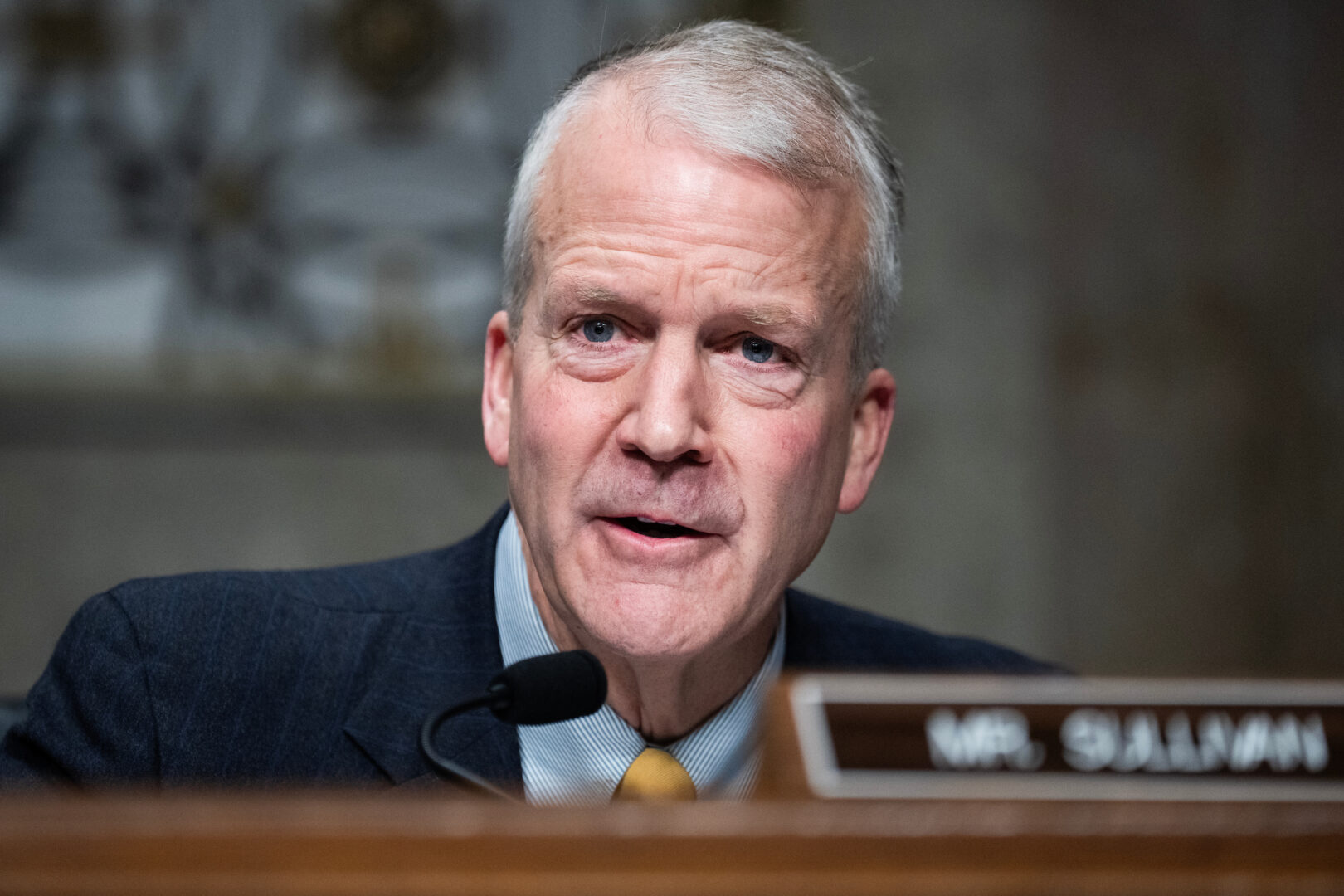
Image via Roll Call
NTIA Reopens the Spigot: Broadband Grants Are Back on the Menu
The NTIA is opening the door to new federal broadband grants, with lawmakers framing it as expanding access in hard-to-serve states. This is the next chapter of the government’s long-running attempt to brute-force fiber, fixed wireless, and middle-mile buildouts into places where economics don’t naturally pencil.
For markets, grants are not “free money.” They’re revenue visibility for contractors and equipment vendors, but they come with bureaucracy, reporting, and political timelines. The bigger point is Washington is signaling it’s still in spend mode on industrial policy, even as it talks tough about deficits.
Broadband capex tends to land in a familiar set of pockets: network gear, construction services, engineering, and the smaller regional operators that can win awards. It’s incremental demand in a market that has been cyclically choppy for telco suppliers.
📈 Fred's Take: This is a targeted tailwind, not a macro game-changer. Expect winners in infrastructure-adjacent public names and private contractors with shovel-ready projects; don’t expect the big telecoms to magically re-rate. The trade is “select suppliers with booked backlog,” not “buy the whole sector.”
That’s the tape: payrolls steady, real pay weak, diesel screaming, NVDA maturing, and Washington spending anyway. Trade what moves cash flows, not narratives. See you Monday pre-market.
— Fred Frost
