Today’s Sponsor
You don't need to chase hundreds of tickers — you just need to spot the right signal. The team at Trading Ideas cuts through the noise and zeroes in on repeating patterns that show up before strong market moves.
One of those signals just fired on a company most investors aren't watching. The setup, the data, and the timing window are all inside their latest alert — and it won't be relevant for long.
See the Report & Company Name*We encourage readers to perform their own research and due diligence on any information we provide. By clicking the link you will automatically be subscribed to the Trading Ideas Newsletter.

Monday, June 8, 2026 — Geopolitical risk is back, tech capex is getting dangerous, and the Democratic Party just elected a self-described socialist as mayor of America's financial capital. Your portfolio noticed.

Image via The Hill
Israel and Iran Break Ceasefire — Oil Volatility Returns
Israel and Iran exchanged fire Monday morning for the first time since their April ceasefire, immediately reigniting Middle East risk premiums across every asset class. The attacks weren't major — limited strikes, no reported mass casualties — but they shattered two months of relative calm that had let energy markets price out war premium.
Brent crude spiked 4.2% in early trading before settling at $89.40, still up 2.8% on the day. Defense stocks jumped across the board — Lockheed up 3.1%, Raytheon up 2.9%. Gold popped $22 to $2,687. The VIX touched 18.5 before pulling back to 16.8.
The ceasefire was always tissue-paper thin. It paused the shooting but solved exactly nothing. Iran's nuclear program continued advancing, Israel's security concerns remained unaddressed, and both sides kept arming proxies. Markets got complacent. That complacency just got expensive.
📈 Fred's Take: This changes the second-half setup. Energy was supposed to stay range-bound while demand softened. Now we're back to $90+ oil with upside tail risk, which means sticky inflation, pressure on the Fed to stay tight, and margin compression for anything that moves physical goods. Stay long defense, long energy majors, and keep hedges active.
📎 The Hill
Image via Associated Press
Palisades Fire Trial Begins — Liability Exposure Climbs Into Tens of Billions
The criminal trial starts today for the man accused of sparking the Palisades Fire that killed 47 people and destroyed $31 billion in property across Los Angeles last January. Legal experts expect the criminal case to move fast — prosecution has video, forensic evidence, and eyewitness testimony. The civil cases will take years and dwarf anything we've seen in wildfire litigation.
Insurance stocks with California exposure have been bleeding since the fire. Allstate, State Farm, and Farmers all face coordinated class actions. Reinsurance costs have already spiked 40% across the state. Several carriers have stopped writing new homeowner policies in LA County entirely, creating a growing insurance crisis in the nation's second-largest metro.
Meanwhile, Pacific Gas & Electric — which somehow avoided blame this time — is up 18% year-to-date as investors realize they dodged a bullet. But California's insurance market is fracturing in real time. High-risk properties are becoming uninsurable at any price.
📈 Fred's Take: The insurance crisis in California is a slow-motion train wreck that's about to hit real estate valuations hard. If you can't insure a $4 million house in Malibu, what's it actually worth? This trial will dominate headlines for weeks and keep pressure on property/casualty insurers with West Coast exposure. Avoid the sector.
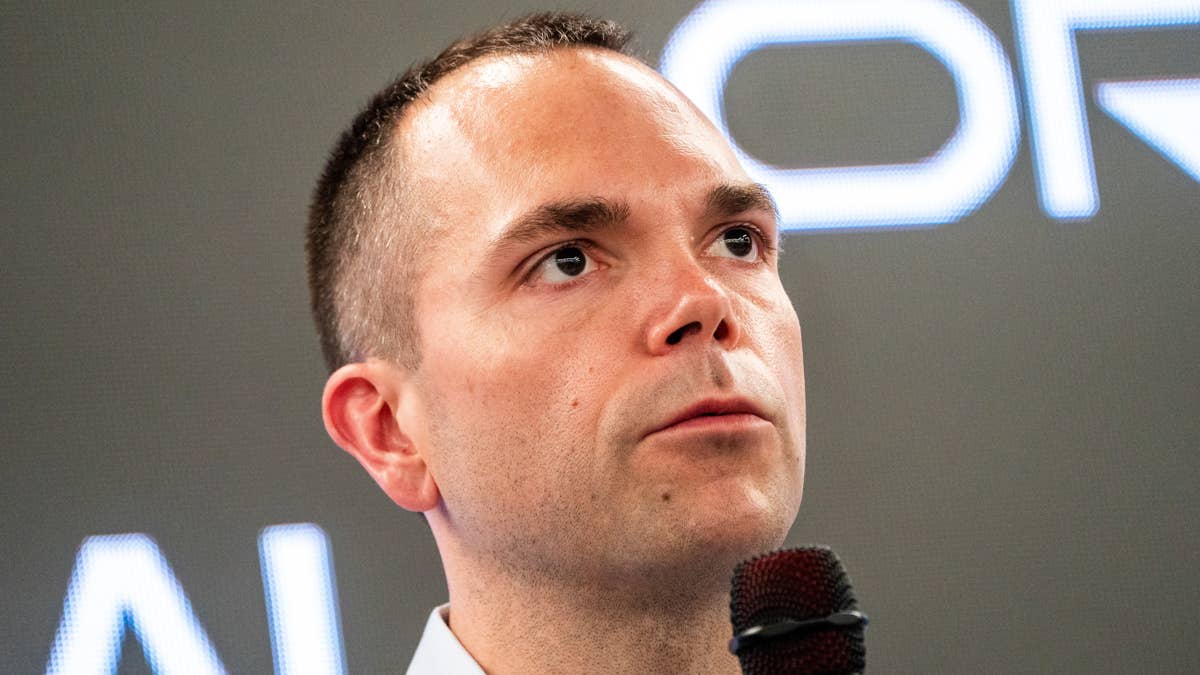
Image via TheStreet
Oracle's $80 Billion Cloud Bet Looks Late and Desperate
Oracle is spending like a company that missed the cloud revolution by a decade and is now trying to buy its way back into relevance. The company just guided to $18 billion in capex for fiscal 2027 — up from $11 billion last year — building out data centers to chase AI and cloud infrastructure deals. They're positioning as the enterprise alternative to AWS and Azure. Problem is, they're fifth to market and burning cash to get there.
Wall Street is split. Bulls see Oracle's database dominance as a wedge into cloud migration deals. Bears see a legacy software company with shrinking license revenue trying to transform into a capital-intensive infrastructure play with razor-thin margins. Free cash flow is collapsing under the weight of capex. The stock is down 11% in three months.
Larry Ellison is betting Oracle can become the AI infrastructure backbone for enterprises that don't trust the hyperscalers. It's a $200 billion addressable market. But Oracle is competing against companies with better technology, deeper pockets, and ten-year head starts.
📈 Fred's Take: This is a desperation move dressed up as vision. Oracle missed cloud 1.0, and now they're gambling the balance sheet on cloud 2.0 with worse economics and tougher competition. The capex burn will crater returns for years, and there's no clear path to market share gains that justify the spend. This ends badly.
Image via RealClearMarkets
OMB Moves to Politicize Federal Research Grants — University Stocks Wobble
Russ Vought's Office of Management and Budget just dropped proposed rules requiring political vetting of every federally funded research grant before approval. The policy would route grant decisions through OMB appointees, injecting partisan review into what's been a peer-review process for decades. Universities, research hospitals, and scientific organizations are losing their minds. The comment period runs through August.
The market impact is already visible. Publicly traded hospital systems with major research operations — HCA Healthcare, Tenet, Universal Health Services — dipped on concerns about funding delays and project cancellations. For-profit education stocks dropped harder. The fear is that federal research dollars — $45 billion annually — will get gummed up in political review, slow to a crawl, or get redirected based on ideology rather than merit.
Vought's argument is taxpayer accountability and eliminating waste. Critics call it the politicization of science. Either way, it injects massive uncertainty into an ecosystem that depends on predictable federal funding cycles.
📈 Fred's Take: This is terrible policy and worse for research-dependent stocks. Federal grants fund everything from cancer research to AI development. Routing decisions through political appointees guarantees delays, favoritism, and brain drain to private sector labs or overseas institutions. If you own hospital systems or universities with federal research exposure, you now own political risk.
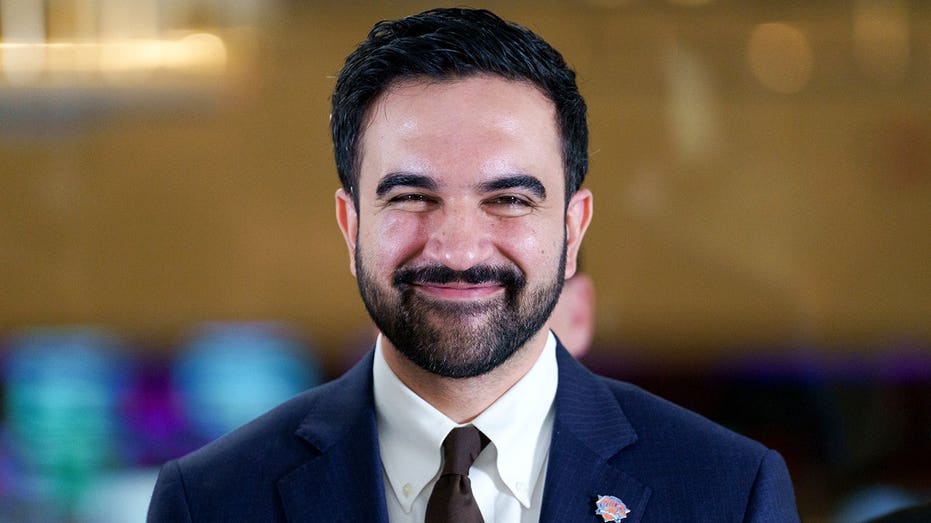
Image via Fox News
NYC Elects Socialist Mayor — Wall Street Just Got a Very Unfriendly Neighbor
Zohran Mamdani, a 35-year-old self-described democratic socialist, was sworn in as New York City's mayor this morning after a stunning upset in last November's election. His first interview focused on how the Democratic Party "lost its focus on working people" and how he plans to fix that with rent control expansion, a wealth tax on high earners, and tighter regulations on corporate real estate. Financial services executives are not thrilled.
Mamdani won by mobilizing younger voters and outer-borough working-class communities that felt abandoned by moderate Democrats. His platform included Medicare for All at the city level, free public transit, and aggressive tenant protections. He's called Wall Street "extractive" and promised to fight corporate tax breaks. The business community is already planning legal challenges and a charm offensive.
The immediate market read: New York just became a less business-friendly city at exactly the wrong time. The office real estate market is already struggling with 22% vacancy rates post-COVID. Adding a mayor hostile to landlords and corporate tenants makes the recovery harder. Expect accelerated corporate exits to Miami, Austin, and Nashville.
📈 Fred's Take: This is a disaster for NYC commercial real estate and eventually the tax base. When you elect someone who views business as the enemy, business leaves. We've seen this movie in San Francisco, Seattle, and Portland. Mamdani's policies will drive high earners to Florida and Texas, hollow out the tax base, and leave the city with bigger deficits and worse services. Avoid NYC-focused REITs.
📎 Fox News
Markets open in 47 minutes. Watch oil, watch defense, watch the VIX. It's going to be a week. — Fred
— Fred Frost

