Today’s Sponsor
The Fed held rates, CPI came in at 2.4%, and analysts still expect 12.5% Q1 earnings growth — but estimates have already been cut across nine sectors and the S&P 500 is stretched above its 5- and 10-year average forward P/E. Trading earnings on headlines alone in this environment is a costly mistake.
The free Earnings Season eBook breaks down the exact pre-report checklist, how to weigh guidance and expectations, and how to read the first reaction after numbers hit — so you're never improvising after the move already started.
Get the Free Earnings PlaybookBy clicking the link above, you will receive this free report and a free subscription to the StockEarnings daily email newsletter. You are also agreeing to the terms of our Privacy Policy. Unsubscribe at any time.

Geopolitics is back in the driver’s seat while courts and capitals quietly rewrite the risk map for energy, credit, and European housing.

Image via Axios
Pentagon Pulls B-1s From UK Base After Iran Threats: Read It As Escalation Insurance
The U.S. moved roughly a dozen B-1 bombers out of RAF Fairford over the weekend after intelligence pointed to credible attack threats tied to Iran. The Pentagon framed it as force protection, but the message is simple: planners don’t like the risk profile in-theater right now.
This is the part retail traders miss: moving assets is not a headline stunt, it’s a risk-off signal from the people who actually see the intercepts. If the U.S. is repositioning high-value aircraft in Europe, it’s because someone thinks a miscalculation window just widened.
Markets won’t price a war today, but they will price uncertainty. That flows straight into higher defense spend expectations, a firmer bid under crude risk premium, and a little less appetite for crowded risk trades when the tape is already thin.
📈 Fred's Take: This is a volatility tax. When the Pentagon starts moving metal, you buy the idea that tail risk is rising even if the base case stays "no direct conflict." I’d keep energy exposure biased long, keep duration tight, and don’t chase high-beta on days when geopolitical risk is being actively managed behind the curtain.
📎 Axios
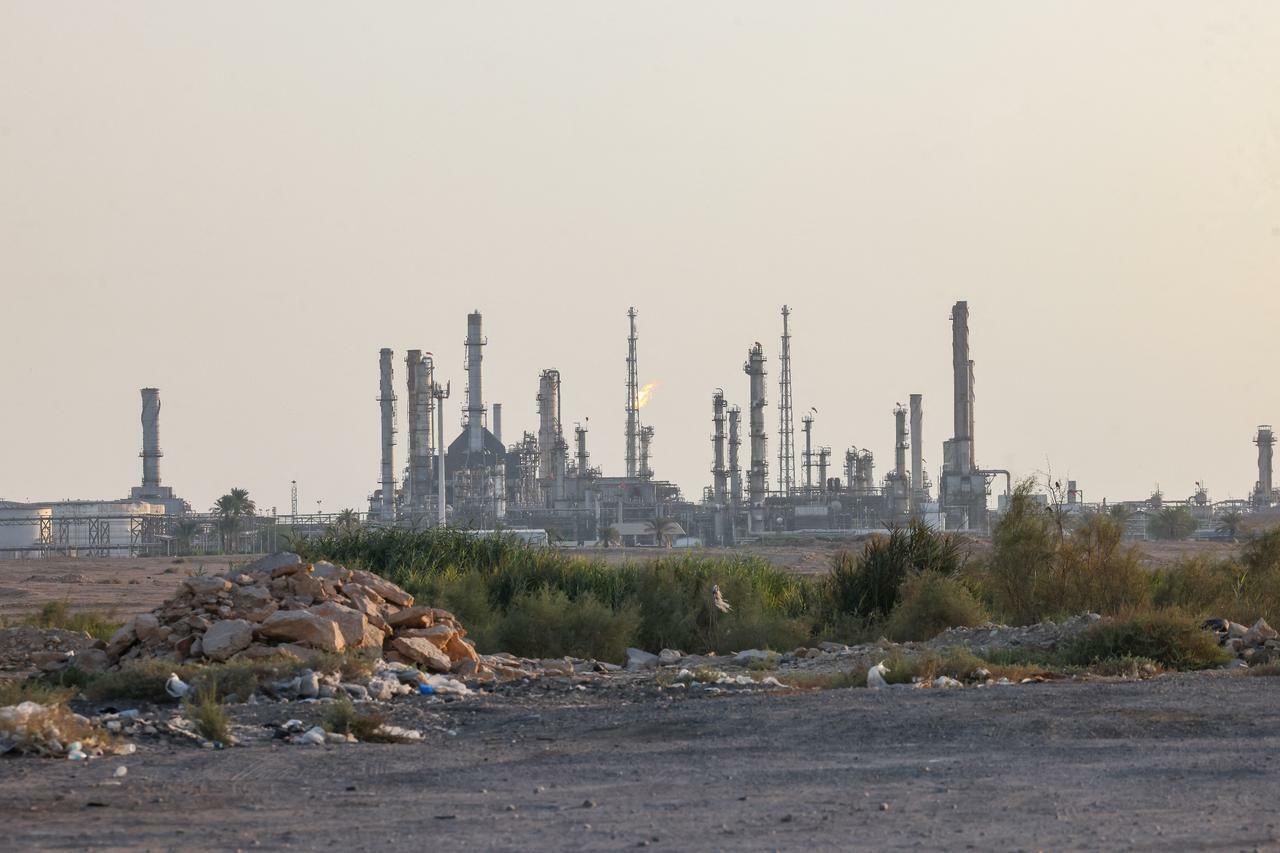
Image via ZeroHedge
Saudi East-West Pipeline Tagged Again: The Barrel’s Fine, the Risk Premium Isn’t
Saudi Arabia’s East-West pipeline was hit by a new attack, according to sources, but officials indicate flows are continuing normally. That’s the key phrase traders cling to: "still flowing." It keeps the spot market calm.
But repeated attacks change behavior even when barrels keep moving. Insurers reprice. Shippers get cautious. Security spending rises. The market starts treating redundancy like a consumable, not a guarantee.
If you’ve watched this movie before, you know the first-order impact is muted and the second-order impact is persistent. Volatility shows up in the curve, not just the front-month headline.
📈 Fred's Take: Don’t wait for an outage to respect the risk. A pipeline that keeps getting tested is a pipeline that will eventually be priced as fragile, and that supports a fatter geopolitical premium in crude and refined products. Energy equities are still the cleaner expression than chasing futures spikes, and this backdrop is bearish for airlines and other margin-thin fuel-takers.

Image via NBC News
Supreme Court Opens With Climate Liability Case: This Is the New Cost of Capital for Energy
The Supreme Court kicks off its term with a climate case centered on Boulder, Colorado’s bid to hold Exxon Mobil and Suncor liable for climate-related damages. The fight sits at the crossroads of state tort claims, federal jurisdiction, and what companies are responsible for when products are used as intended.
Even before a ruling, the process matters. Litigation risk is now a balance-sheet line item that can widen credit spreads, raise insurance costs, and push capital allocation toward buybacks over long-cycle projects. If you’re wondering why management teams love short-cycle shale and hate mega-project headlines, this is part of the answer.
The market impact won’t be a one-day candle. It’s a slow ratchet: higher legal overhang, higher discount rates applied to long-dated cash flows, and more incentive to return cash instead of expanding supply.
📈 Fred's Take: Win or lose, energy is paying a legal risk premium for the next decade. That doesn’t kill the sector, but it does push investors toward companies with clean governance, conservative leverage, and clear capital-return frameworks. If you want energy exposure, prioritize balance sheets and shareholder yield over blue-sky growth stories that become litigation magnets.
📎 NBC News
China Quietly Shuts 670 Banks: Beijing Is Choosing Control Over Credit Growth
China shut 670 mostly rural banks last year as it pushes consolidation into fewer, larger, better-capitalized lenders. Call it "reform" if you want; functionally it’s triage in a system where local credit has been carrying too much political baggage.
This is Beijing admitting that weak links matter. Rural lenders sit on opaque loan books tied to local government financing vehicles and stressed property exposures. Closing them is not a free lunch: it tightens marginal credit, pushes risk into bigger state-linked balance sheets, and signals that authorities are more worried about stability than about maximizing near-term growth.
For markets, the transmission is global. Slower Chinese credit impulse hits industrial commodities, weighs on exporters, and keeps disinflation pressure alive abroad. It also supports the idea that "China stimulus" will be targeted and controlled, not the old firehose.
📈 Fred's Take: This is bearish for the China growth beta and bullish for the "lower-for-longer global demand" narrative. I’d fade commodity rallies that are built on hope of a big China reboot, and I’d treat emerging-market risk as selective, not blanket. If Beijing is closing banks, they’re telling you the priority is preventing a financial accident, not juicing GDP prints.
📎 CNBC

Image via BBC
Spain Calls Early Election After Housing Protests: Europe’s Next Bond Spread Story
Spain’s PM Pedro Sánchez called an early election for 29 November after mounting housing protests and political defeats on housing measures. Housing has become the pressure point: rents, supply constraints, and younger voters priced out are now driving street heat and parliamentary math.
Elections in Europe are rarely just local. Housing policy feeds into inflation optics, fiscal spending, and banking exposure to real estate. Any platform that leans toward rent caps, forced supply mandates, or tax-heavy fixes spooks capital and can bleed into sovereign spreads, especially if investors smell fiscal slippage.
Spanish banks and developers will trade this first, but the real tell will be in BTP-Bund and Spain-Bund spread sensitivity. Europe’s political calendar keeps manufacturing reasons for risk premia to widen at the worst time for fragile growth.
📈 Fred's Take: This is a reminder that "housing crisis" is becoming a ballot-box asset class across Europe. If policy proposals start targeting landlords and developers, expect capital to demand higher returns, not lower rents. I’d stay cautious on Spanish property-linked equities into the vote and watch sovereign spreads: politics is a credit variable again.
📎 BBC
That’s your map. Keep size sane, respect the tails, and don’t confuse quiet markets with low risk.
— Fred Frost
