Today’s Sponsor
In 1971, Nixon ended the gold standard in a single 15-minute broadcast — no warning, no debate. Gold tripled in 3 years and rose 20x over the next decade. The people who saw it coming protected their wealth. Everyone else watched their savings quietly erode. History may be about to repeat itself. Trump holds the same executive authority Nixon used — and his own advisors are now openly saying a reversal is on the table.
Reagan Gold Group has put together a free briefing covering exactly what Nixon did, why Trump is the first president positioned to undo it, and the one move you can make right now to be on the right side of what comes next. Free. 30 seconds to request. Don't wait for the Sunday night broadcast.
Get the Free Briefing NowReagan Gold Group does not provide financial, legal, or tax advice. This information is for educational purposes only and should not be considered investment advice. All investments carry risk, including loss of principal. Past performance is not indicative of future results. Consult your licensed financial advisor before making investment decisions. This is an advertisement. If you do not wish to receive messags from this partner, please Unsubscribe. Or write to: 2029 Century Park E Suite 400, Los Angeles, CA 90067.

Geopolitics just put an inflation bid back into energy. Meanwhile, hurricanes, cyber risk, and AI agents are fighting over margins and your money.
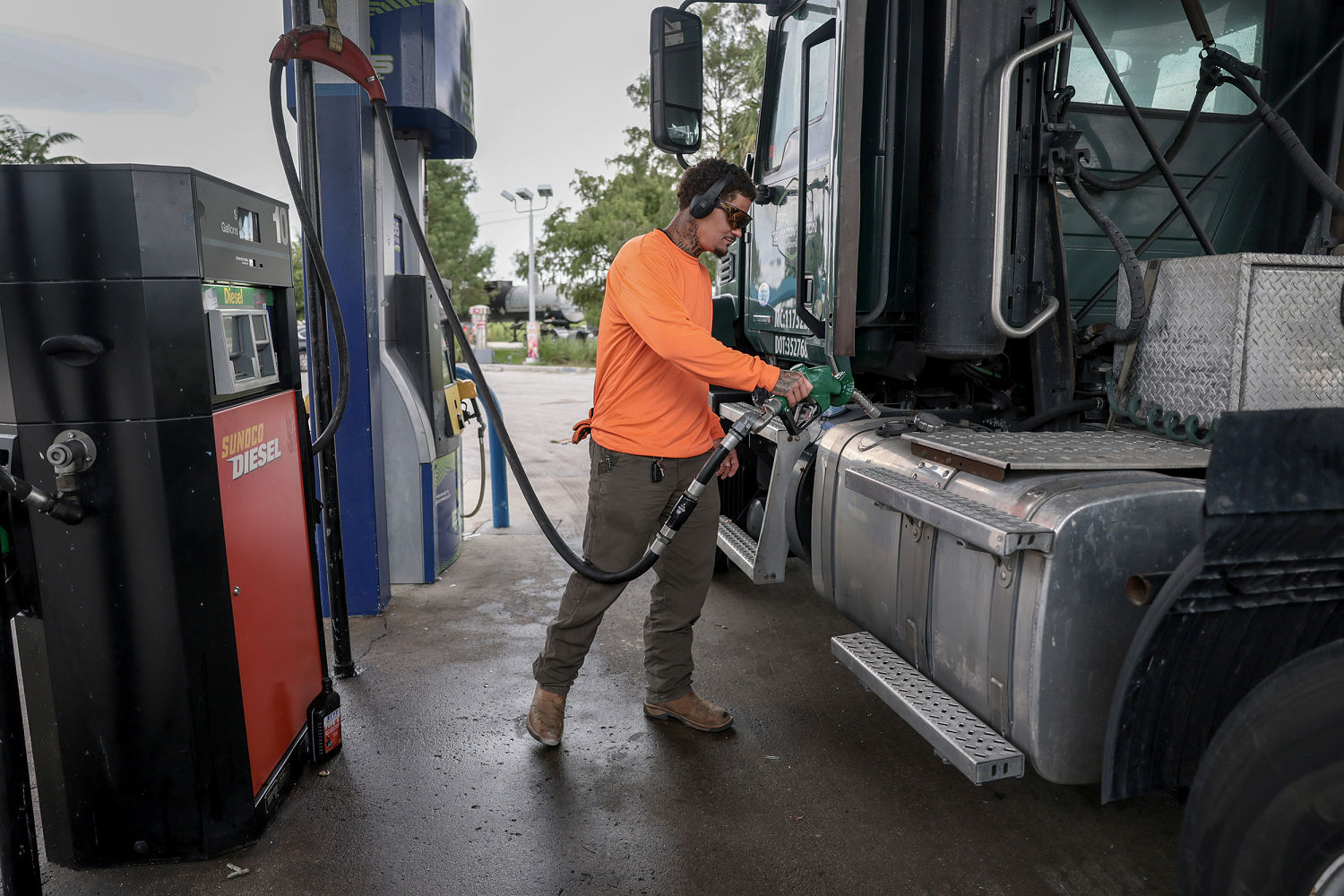
Image via NBC News
Oil tags $105 as Iran strike chatter hits the tape and stocks blink
Crude ripped to $105 as the White House weighed renewed, larger-scale operations in Iran. That’s the kind of headline that forces every macro desk to reprice the same things at once: energy, inflation expectations, and the odds the Fed stays restrictive longer than the market wants.
Equities sold off with the usual pattern: airlines and transports first, then anything high duration that needs falling rates to justify its multiples. Credit spreads widened at the margin. This is not about today’s barrels. It’s about risk premium. When the market can’t handicap supply routes, it bids the whole curve.
Watch refined products next. If gasoline and diesel start leading crude, you’ll feel it in consumer sentiment and in the next inflation prints. If crude spikes but products don’t, the market is telling you it’s mostly geopolitics and positioning, not real end-demand.
📈 Fred's Take: This is a tax hike that no one voted for, and it hits fastest through sentiment and margins. When oil prints $105 on war risk, you fade the most rate-sensitive growth and you don’t fight the energy bid until the policy path is clearer. If this escalates, the clean trade is long energy cash flows, long defense, short consumer discretionaries, and a bigger allocation to inflation hedges like TIPS and gold.
📎 NBC News
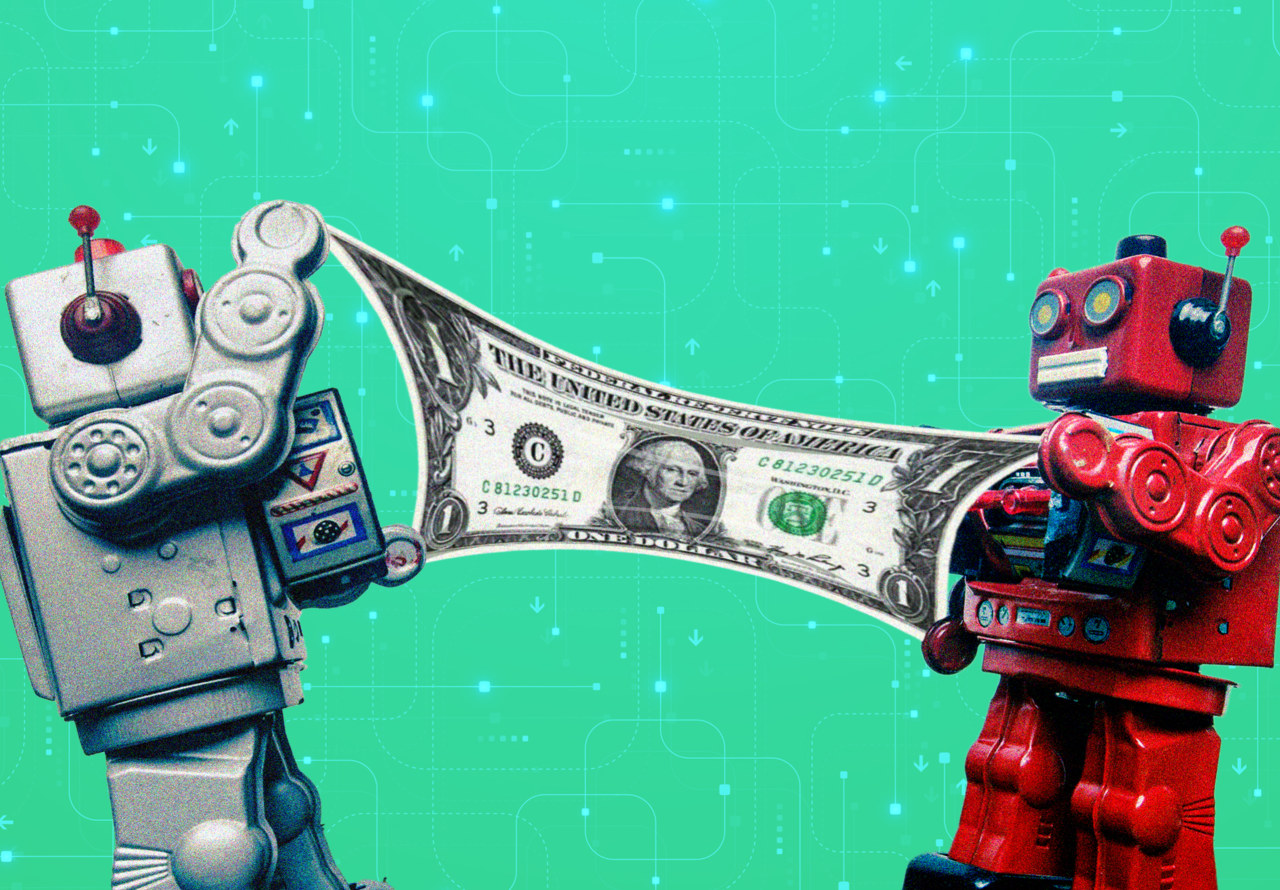
Image via MarketWatch
AI agents are coming for your wallet, and the house usually wins
There’s an agent arms race underway: AI tools that shop, negotiate, book, and subscribe on your behalf. The promise is simple: less friction, lower prices, better choices. The business model is also simple: whoever controls the agent controls the spend.
Companies see the same thing. If an agent sits between you and a merchant, the merchant either pays to be recommended or optimizes to be chosen. That shifts power from brands to platforms, and it turns marketing into a bidding war for the agent’s ranking. Expect more dynamic pricing, more bundling, and more fees hidden behind “convenience.”
The big fight isn’t consumer versus company. It’s which companies capture the agent layer. Payments, search, marketplaces, and device ecosystems all want to be the default decision-maker. That’s margin. That’s distribution. That’s the new toll road.
📈 Fred's Take: Most consumers won’t save money with agents; they’ll outsource decisions and get optimized into higher lifetime spend. The winners are the platforms that own identity, payments, and default placement, not the merchants selling the stuff. In markets, that means stay long the gatekeepers and ruthless about any business that depends on brand-driven demand without pricing power.
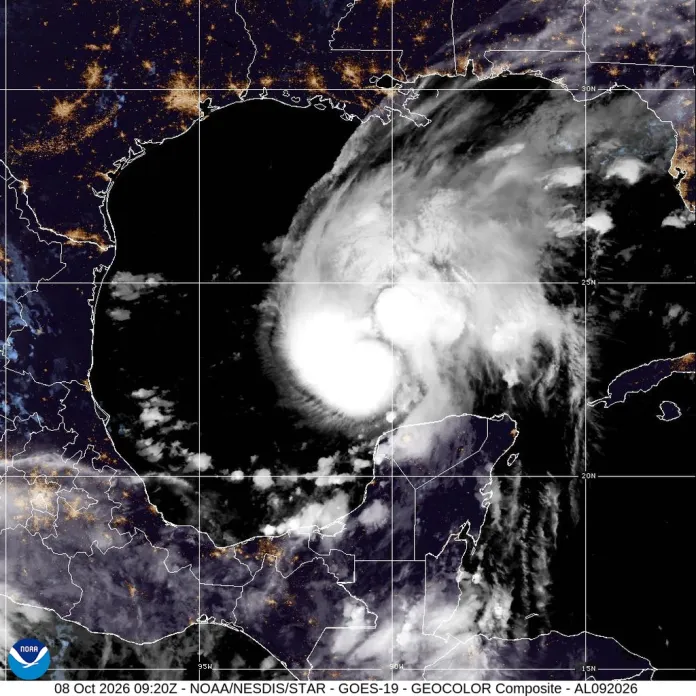
Image via Washington Examiner
Gulf Coast hurricane risk is a live trade: energy, insurance, and localized supply shocks
Hurricane Isaias is bearing down on the Gulf Coast as a Category 2, the first hurricane of the season. The Gulf is where weather becomes macro: ports, refineries, pipelines, petrochemicals, and a web of logistics that feeds the rest of the country.
The market will handicap this in layers. First is the knee-jerk: crude and gasoline pop, refiners and select midstream names move, and anything exposed to Gulf shipping reprices. Then comes the real damage assessment: outages, port closures, grid impacts, and how fast operations restart.
Insurance and reinsurance are the slow-burn angle. One storm doesn’t break the system, but it compounds the cost of capital for carriers already dealing with higher claims severity. And if industrial downtime stacks on top of $100-plus oil, you get an ugly cocktail for margins into earnings season.
📈 Fred's Take: Don’t romanticize storm trades. The first move is often the wrong move because everyone tries to front-run refinery headlines. The cleaner setup is to watch products and Gulf utilization rates: if they stay impaired for more than 72 hours, the inflation impulse is real and the consumer hit follows. If you’re hedging portfolios, this is where a little energy exposure pays for itself fast.

Image via Forbes
Industrial cyber is now a capex line item, not a nice-to-have
Energy and industrial firms are being told, bluntly, to spend more on cybersecurity as attacks escalate. The reason is obvious: the modern plant is a network, and operational technology is no longer isolated. When ransomware meets valves, pumps, and grid controls, it stops being an IT problem and becomes a safety and supply problem.
For management teams, this changes the budget conversation. Cyber spend used to be discretionary and back-office. Now it’s closer to maintenance capex: spend it or risk shutdowns, regulatory penalties, and reputational damage that bleeds into financing costs.
For markets, it’s another structural tailwind for security vendors and a creeping margin headwind for asset-heavy operators. The big shift is that insurers and lenders are pricing cyber posture into terms. That tightens the screws on anyone running old systems and hoping for the best.
📈 Fred's Take: Cyber risk is inflationary in the same way compliance is inflationary: it raises the baseline cost to operate, forever. The trade is straightforward: security vendors get a multi-year demand floor, while laggard industrials get higher opex and higher event risk. If you own energy and heavy industry, you want the operators who treat cyber like reliability, not like a quarterly expense to minimize.
📎 Forbes
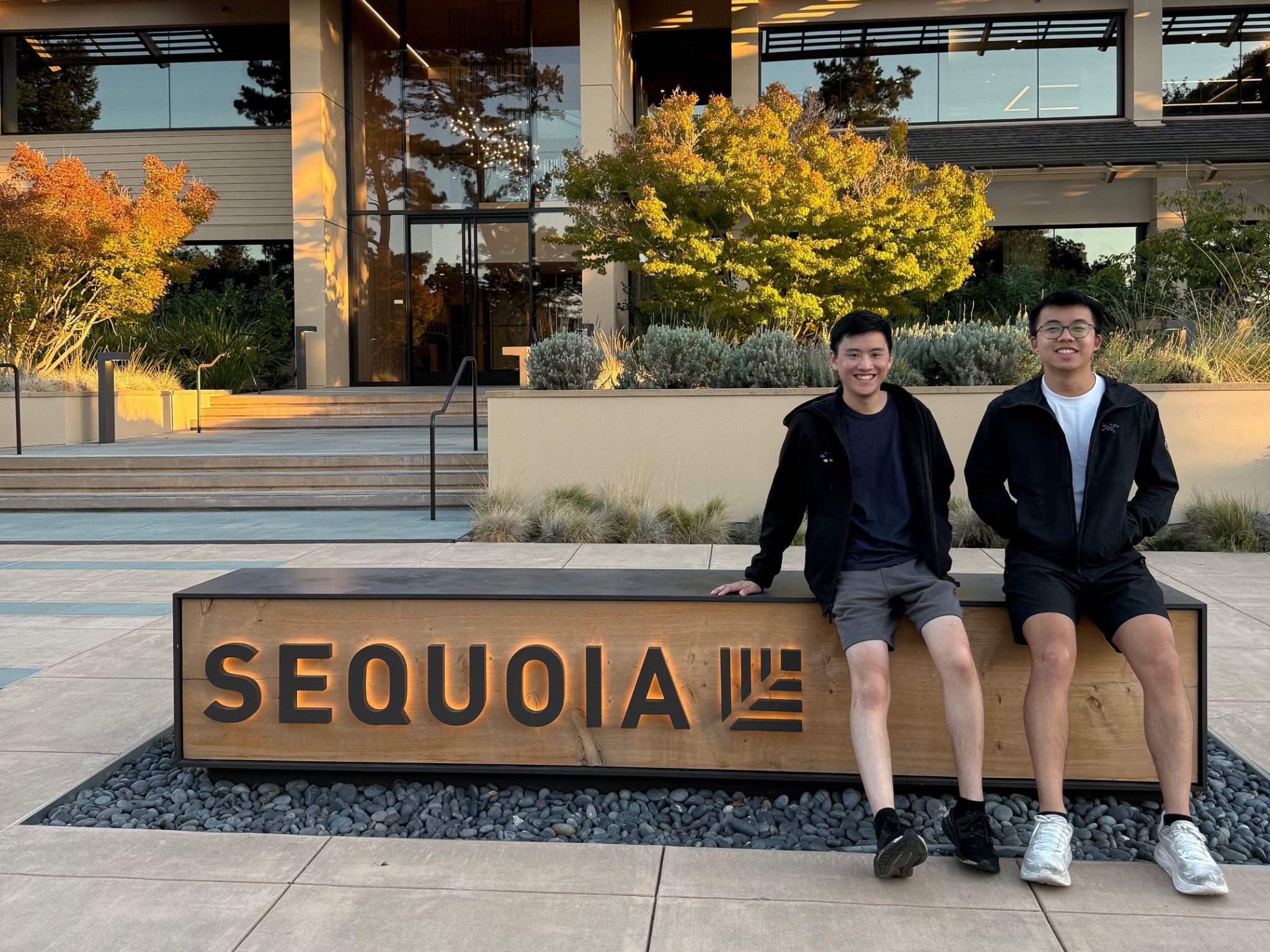
Image via Fortune
Sequoia-backed Catalyst wants AI trading agents in every retail account
Catalyst raised $30 million in seed funding to build AI trading agents aimed at everyday investors. The pitch is an army of bots that can research, allocate, rebalance, and execute without the user staring at screens all day. The capital tells you the smart money thinks the interface to brokerage is about to change again.
This is the second-order story: distribution. If the agent becomes the decision layer, the broker becomes plumbing and the product shelf becomes whoever the agent prefers. That can pull flows away from high-fee wrappers and into whatever optimizes best for taxes, spreads, and short-term performance.
The risk is obvious too. Most retail blowups don’t come from not having tools. They come from leverage, overtrading, and chasing. An agent that makes trading feel effortless can increase activity and reduce friction in the exact wrong direction. Regulators will be late, and marketing will be early.
📈 Fred's Take: AI agents won’t democratize alpha; they’ll democratize execution and accelerate the speed of dumb behavior. The real winners are brokerages and market makers if agents increase turnover, plus the platforms that control model distribution. If you’re a long-term investor, demand one thing from these products: tighter risk limits than you would set for yourself, because the machine won’t feel pain when the tape turns.
📎 Fortune
I’m Fred Frost. Keep your risk tight, your hedges honest, and don’t let headlines trade your book.
— Fred Frost
