Today’s Sponsor
August setups are already taking shape — and the biggest moves happen quietly, before the crowd notices. Are you entering early, or buying after the easy gains are gone?
GuyStocks delivers 100% free, real-time momentum alerts straight to your device — zero hype, pure data — so you're positioned in high-conviction trades before the broader market catches on.
Join GuyStocks Free TodayBy clicking the link above, you agree to receive emails from GuyStocks.com. You can opt out at any time. — Privacy Policy

Friday, August 14, 2026: Washington wants lower gas, Wall Street wants higher multiples, and the map is flashing risk premiums again.
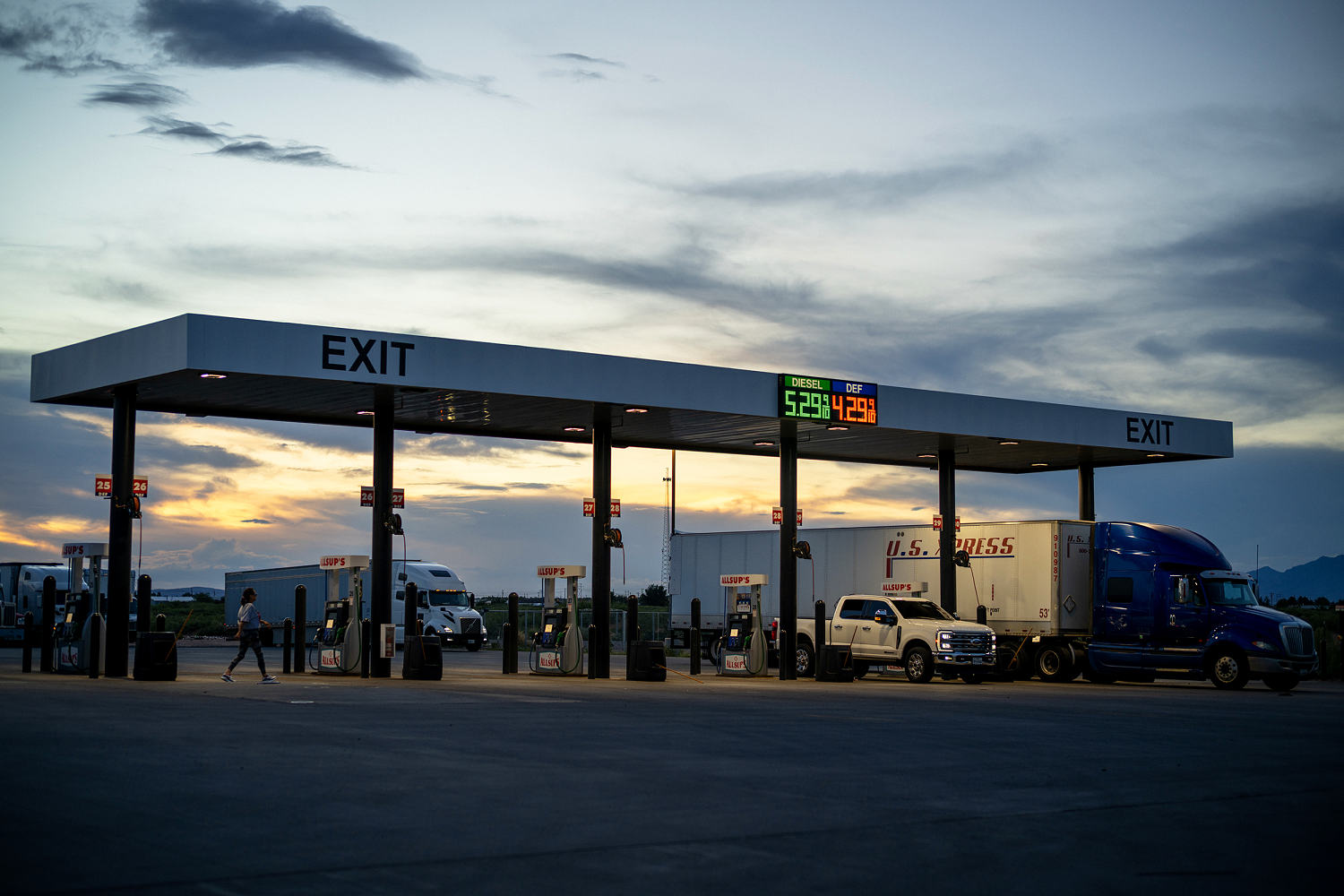
Image via NBC News
Vance Puts Cheap Oil Over Everything as Iran Squeeze Tightens
The White House is saying the quiet part out loud: keep oil prices low, and Iran loses oxygen. Vance framed low oil prices as the top objective as the U.S. escalates economic pressure, signaling a willingness to lean on supply, enforcement, and maritime choke points to keep Tehran boxed in.
Markets should read this as an energy policy pivot dressed up as foreign policy. If Washington is prioritizing pump prices, expect more aggressive enforcement on Iranian flows, more pressure on intermediaries, and more coordination with Gulf producers. The tension is obvious: tightening screws on Iran is usually bullish crude, but a political mandate for low gasoline is bearish crude. That push-pull is your volatility engine.
Watch the second-order effects: if crude is capped, inflation prints cool, rate-cut odds firm up, and long duration gets another tailwind. If enforcement triggers a shipping incident, crude spikes first, equities puke second, and the Fed gets boxed in again.
📈 Fred's Take: This is a put under consumer inflation and a call option on energy volatility. Base case: Washington jawbones and enforces just enough to keep Iran constrained while leaning on global supply to prevent a crude breakout. Trade it like a range: stay long quality duration and defensives, but keep a small, explicit hedge in energy and shipping-risk names because the headline risk is asymmetric.
📎 NBC News
Image via Fox Business
Kudlow Victory Lap: The S&P Record Is Now a Political Asset
Kudlow is pounding the table that the S&P 500 record high is a win for regular Americans, not just the country-club crowd. The argument is simple: more adults have market exposure, directly or through retirement plans, so the tape is a kitchen-table variable.
That framing matters because it hardens the feedback loop between markets and policy. When politicians sell the index as a scoreboard, they become more sensitive to drawdowns and more tempted to intervene with tax tweaks, buyback rhetoric, antitrust posturing, or “do something” regulation depending on who’s in charge.
There’s also a positioning tell here. When commentary shifts from “the market is resilient” to “the market is popular,” you’re nearing the point where sentiment itself becomes a risk factor. Records are fine. Narrative saturation is what you fade.
📈 Fred's Take: A market that becomes a campaign prop gets a higher probability of policy surprise. In the near term, this is bullish because no one wants to be the adult who breaks the rally. But it also means the next 8–12% drawdown will trigger louder Washington noise, and noise is how liquidity gets mispriced. Stay long, but tighten risk: use stops, sell some upside, and rotate a slice into cash-flow names that don’t need perfect vibes.
U.S. Rebukes West Bank Settler Siege: Geopolitics Tax Creeps Back In
The U.S. issued a sharp rebuke after Israeli settlers besieged Palestinian homes in the West Bank. This isn’t just another angry statement; it’s a signal that Washington is willing to publicly widen daylight with an ally when the images are bad and the regional temperature is already high.
For markets, the immediate channel is not Israel equities. It’s regional risk premium: energy lanes, insurance costs, and the probability of spillover into broader Middle East friction. The other channel is Washington’s bandwidth. Every hour spent firefighting this is an hour not spent on budgets, trade, or domestic growth policy.
If the rhetoric escalates into conditionality on aid, sanctions on individuals, or restrictions tied to settlements, you can see ripple effects in defense supply chains and diplomatic bargaining with Gulf partners. It’s messy, and messy markets pay up for hedges.
📈 Fred's Take: Don’t overtrade the headline, but don’t ignore the drift: geopolitical “background noise” is becoming “foreground volatility” again. That’s bullish gold on dips and supportive for crude optionality even if spot stays range-bound. If you’re all-in mega-cap tech and nothing else, you’re under-hedged for a world where politics can reprice risk in a weekend.
📎 AP News
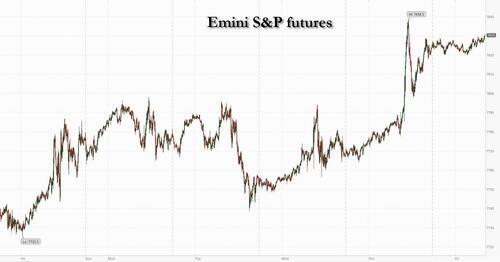
Image via ZeroHedge
Tech Euphoria Is Back, Futures Green: Same Movie, Higher Ticket Price
ZeroHedge says stocks are lining up for fresh all-time highs as tech euphoria returns. Futures are nudging higher again, and the pattern looks familiar: narrow leadership, heavy momentum, and buyers trained to treat every dip like a coupon.
Under the hood, this is a rates-and-liquidity story wearing an AI costume. When the market believes disinflation is intact and the Fed has room to ease, the longest-duration cash flows win. That’s why the same handful of names can drag the index like a tow truck.
The risk isn’t that tech goes up. The risk is that everyone crowds the same doorway. If yields back up on a hot print or an ugly auction, the multiple math snaps fast. The unwind is always quicker than the build.
📈 Fred's Take: As long as real yields stay contained, you don’t fight this tape. But you also don’t pay any price for “growth” when the whole street is already there. I’d keep core exposure, fund it by trimming the most extended winners, and add asymmetry via cheap downside on the index or the most crowded tech basket. The bull case is intact; the risk/reward at the margin is deteriorating.

Image via South China Morning Post
U.S. Coast Guard Trainers in Taiwan: Quiet Escalation, Loud Market Implications
The U.S. sent a team to Taiwan to train coast guard counterparts as mainland Chinese activity increases around the island. This is the kind of move that sounds technical and defensive, but it lands in Beijing as another step in operational alignment.
Markets should price this as a slow ratchet higher in Taiwan Strait risk, not an immediate crisis. The coast guard angle matters because it lives in the gray zone: maritime incidents, boarding disputes, blockades “for safety,” and deniable pressure that can still snarl trade.
The direct line to your portfolio runs through semiconductors, shipping, and insurance. Any perception of higher disruption probability widens the geopolitical discount on Taiwan-linked supply chains and supports capex and reshoring narratives elsewhere. The second-order trade is USD strength on risk-off jolts, which hits EM and commodities in the short run.
📈 Fred's Take: This is bullish volatility and bullish redundancy spending. You don’t need a war for markets to reprice the tail; you just need a higher frequency of incidents. Stay diversified across the semi complex (not just the most Taiwan-sensitive nodes), keep some defense and cyber exposure, and treat any sharp Taiwan-risk selloff as a timing problem, not a thesis change, unless shipping actually starts getting constrained.
Trade the tape you have, hedge the world you’re in. Frost out.
— Fred Frost
