Today’s Sponsor
Policy is already moving markets in 2026 — trade enforcement, regulatory shifts, and tax positioning are redirecting capital right now. Institutions reposition before the headlines catch up, and the window to act early is closing fast.
Our analysts identified 5 stocks showing real momentum tied directly to current administration policy themes — including the sectors benefiting most from domestic investment trends and regulatory tailwinds. Don't get left behind.
Get the Free Report Now(By following any of the links above, you're choosing to opt in to receive insightful updates from The Investment News Daily + 2 free bonus subscriptions! Your privacy is important to us. You can unsubscribe anytime. See our privacy policy for details.)

Thursday, July 16, 2026: Washington moved two levers at once in Iran—hostage release headlines and expanded strikes. Defense capital followed policy. Oil logistics tightened. And Trump kept shaping the GOP bench in real time.
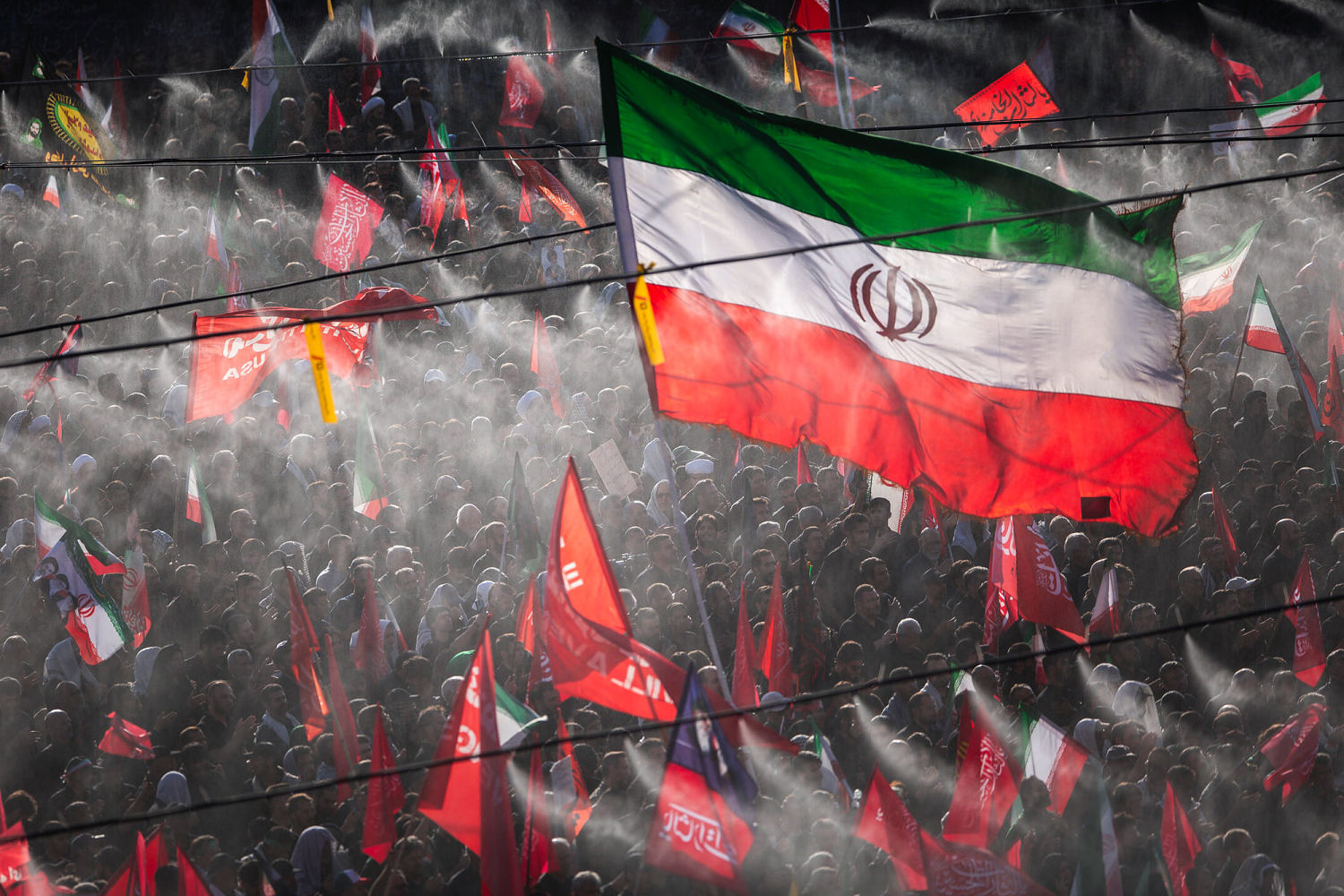
Image via NBC News
Trump Claims Iran Hostage Release Win — Watch What He Trades For It
Trump announced the release of an American woman held in Iran since 2024. Attorney Jared Genser identified her as his client, Dena Karari. The optics are clean: a human outcome, a political trophy, and a signal that backchannels are active even while the shooting side of the relationship escalates.
Markets should treat this as information, not inspiration. A release rarely comes free. It usually implies one of three things: money moved, prisoners moved, or sanctions waivers moved. If any of those are in play—explicitly or quietly—it feeds straight into crude risk premia and the dollar’s safe-haven bid.
📈 Fred's Take: This is not “de-escalation.” It’s a negotiated micro-deal inside a macro fight, and micro-deals can actually extend conflicts by keeping channels open while pressure rises. If you’re long risk, don’t fade geopolitical hedges just because a headline looks humane—keep some oil upside optionality and stay diversified with gold. If sanctions enforcement softens at the margin, the first tell will be in shipping and insurance pricing, not a White House press line.
📎 NBC News
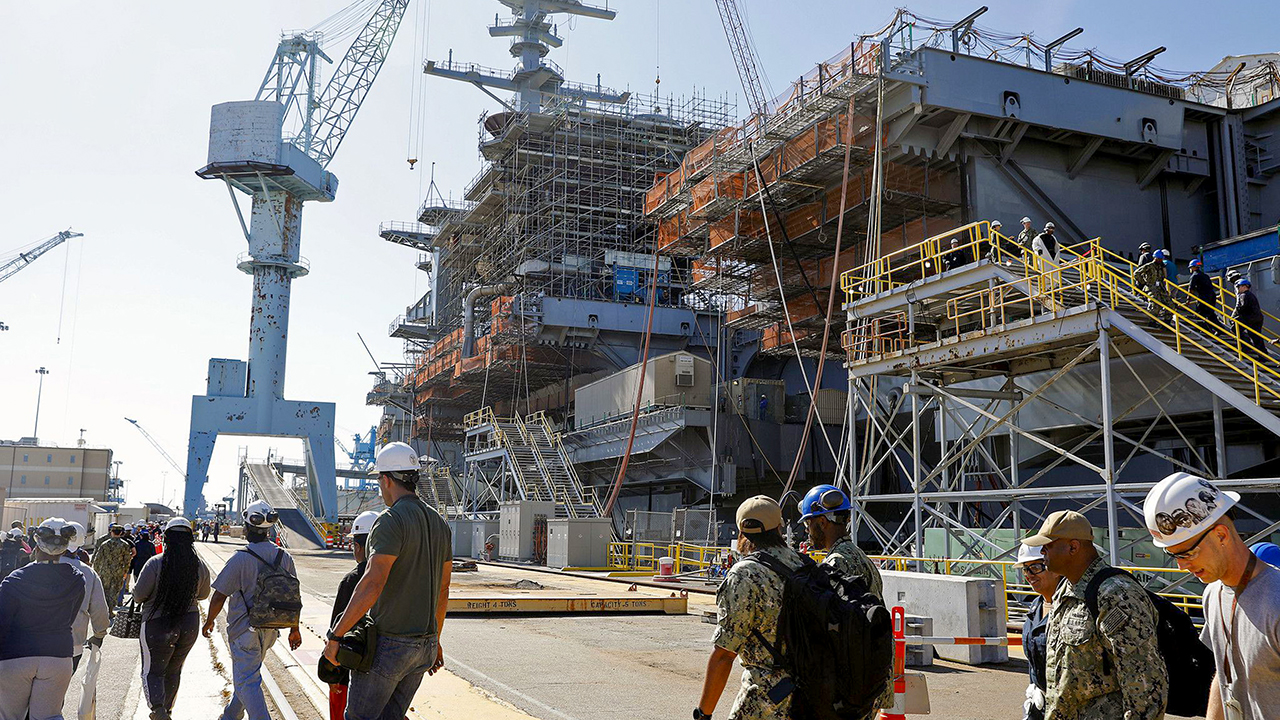
Image via Fox Business
JPMorgan’s $24M Shipbuilding Bet: Defense Capex Is the New Industrial Policy
JPMorgan Chase is putting $24 million into Philadelphia to build a submarine assembly plant and train thousands of workers for defense roles. Call it financing, call it workforce development, call it politics—either way it’s a bank underwriting reindustrialization where the customer is effectively the Pentagon.
This is the quiet story of this cycle: defense demand is turning into real domestic capacity, not just earnings beats at primes. It pulls forward steel, specialty components, skilled labor, and local credit creation. And it reinforces that “higher for longer” is survivable for sectors with contracted cash flows and government-backed demand.
📈 Fred's Take: Defense-linked industrials remain a better risk-adjusted trade than most “AI-adjacent” vanity projects because the revenue is real and the buyer pays. Watch second- and third-tier suppliers, shipyard automation, specialty welding, and training/credentialing firms—those are the torque points when capacity ramps. Banks don’t do $24M headlines for charity; they do it because the pipeline behind it is multiples bigger.
U.S. Expands Strikes Deeper Into Iran — Strait Risk Is Back On the Tape
The U.S. expanded strikes into northern Iran and disabled a ship attempting to run a blockade, according to reporting on the widening conflict dynamics. That’s a meaningful step: you’re no longer talking about a narrow maritime chess match; you’re talking about a broader target set and a more explicit contest over logistics.
The market transmission is immediate: energy volatility, freight rates, insurance premiums, and a risk pulse into rates. Every incremental escalation pushes investors toward inflation hedges while also increasing recession-tail risk if oil spikes hard enough. That’s the ugly combo that makes central banks look late either way.
📈 Fred's Take: This is the kind of escalation that widens the distribution of outcomes—exactly what options markets are built for. If you’re under-hedged on energy, you’re playing with fire; if you’re all-in on doomsday, you’ll get chopped up on every headline pause. I’d rather own selective energy exposure plus convexity than chase direction in broad equities here.
📎 AP News
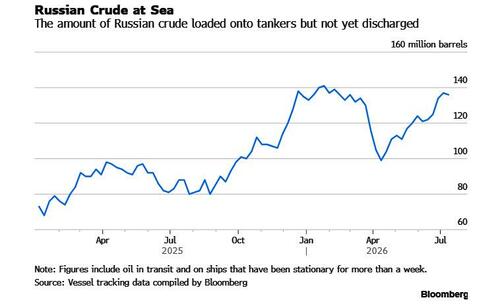
Image via ZeroHedge
Russia’s 135 Million Barrel Traffic Jam: The Oil Market’s Hidden Constraint
Russia is reportedly struggling to deliver crude as it runs into a 135 million barrel traffic jam. Translation: the barrels may exist, but the ability to move them efficiently is degrading—logistics, port capacity, shadow fleet constraints, routing, and the incremental friction of sanctions-driven workarounds.
That matters because “supply” isn’t just wells pumping; it’s deliverability. When crude sits in the wrong place at the wrong time, global balances tighten even if headline production numbers look stable. The easiest way this shows up is in regional spreads, time spreads, and a stubborn floor under prices when economists swear demand is slowing.
📈 Fred's Take: If Russian exports are turning into a logistics problem, crude becomes more sensitive to any Middle East disruption—and we already have that on the screen today. This is how you get sticky inflation prints even as growth cools: energy and freight refuse to cooperate. Don’t sleep on energy equities and midstream; they’re the cleanest way to own the “deliverability premium” without trying to day-trade front-month crude.
Trump Nudges Fry vs. Graham: It’s a GOP Risk-On Signal for 2027 Policy
Trump is signaling growing support for Rep. Russell Fry as a potential replacement for Sen. Lindsey Graham. This is less about South Carolina personalities and more about Trump continuing to shape the Senate bench—moving the party toward candidates he views as aligned, controllable, and campaign-ready.
For markets, primaries are policy probabilities. A Senate seat that shifts from an old-school hawk/operator profile to a newer Trump-aligned profile changes the odds on defense priorities, foreign policy posture, and fiscal tactics. It also affects how investors price the next round of tax, tariff, and regulatory swings heading into 2027.
📈 Fred's Take: Personnel is policy, and primary signaling is an early-positioning map for capital. If Trump keeps stacking Senate prospects, expect higher variance around trade and fiscal headlines—good for volatility sellers until it isn’t. I’d treat this as a reminder to keep exposure balanced: defense and domestic industrials can benefit, but tariff-sensitive multinationals and high-duration growth names wear the policy whiplash first.
📎 Newsmax
Trade the incentives, not the speeches. See you before the bell tomorrow.
— Fred Frost
