Today’s Sponsor
Policy is already moving markets in 2026 — trade enforcement, regulatory shifts, and tax positioning are redirecting capital right now. Institutions reposition before the headlines catch up, and the window to act early is closing fast.
Our analysts identified 5 stocks showing real momentum tied directly to current administration policy themes — including the sectors benefiting most from domestic investment trends and regulatory tailwinds. Don't get left behind.
Get the Free Report Now(By following any of the links above, you're choosing to opt in to receive insightful updates from The Investment News Daily + 2 free bonus subscriptions! Your privacy is important to us. You can unsubscribe anytime. See our privacy policy for details.)

Wednesday, August 26, 2026. Five moves on the board before the bell: PCE runs hot, U.S. escalates Caribbean interdictions, Russia’s manpower hustle goes global, a Nepal-Tibet flood hits supply nerves, and visa appointments freeze worldwide.

Image via Fox Business
PCE Runs Hotter Than The Fed’s Script
July’s PCE inflation print came in hotter than expected and it’s still nowhere near the Fed’s 2% comfort zone. The “preferred gauge” matters because it’s the one the committee leans on when they decide whether to cut, hold, or keep the vise on.
Markets can argue all day about shelter lags and base effects, but the tape cares about one thing: policy reaction. A sticky PCE keeps the front end pinned, keeps real yields from collapsing, and keeps risk assets trading like they’re on a shorter leash than investors want to admit.
📈 Fred's Take: If PCE is re-accelerating, the Fed doesn’t get to ride in as the hero with clean cuts. That’s bearish for long-duration tech and anything priced off “easy money next quarter,” and it’s quietly bullish for cash-like carry and quality balance sheets. Don’t fight the front end: if you’re adding risk, you do it with hedges and you do it with discipline.
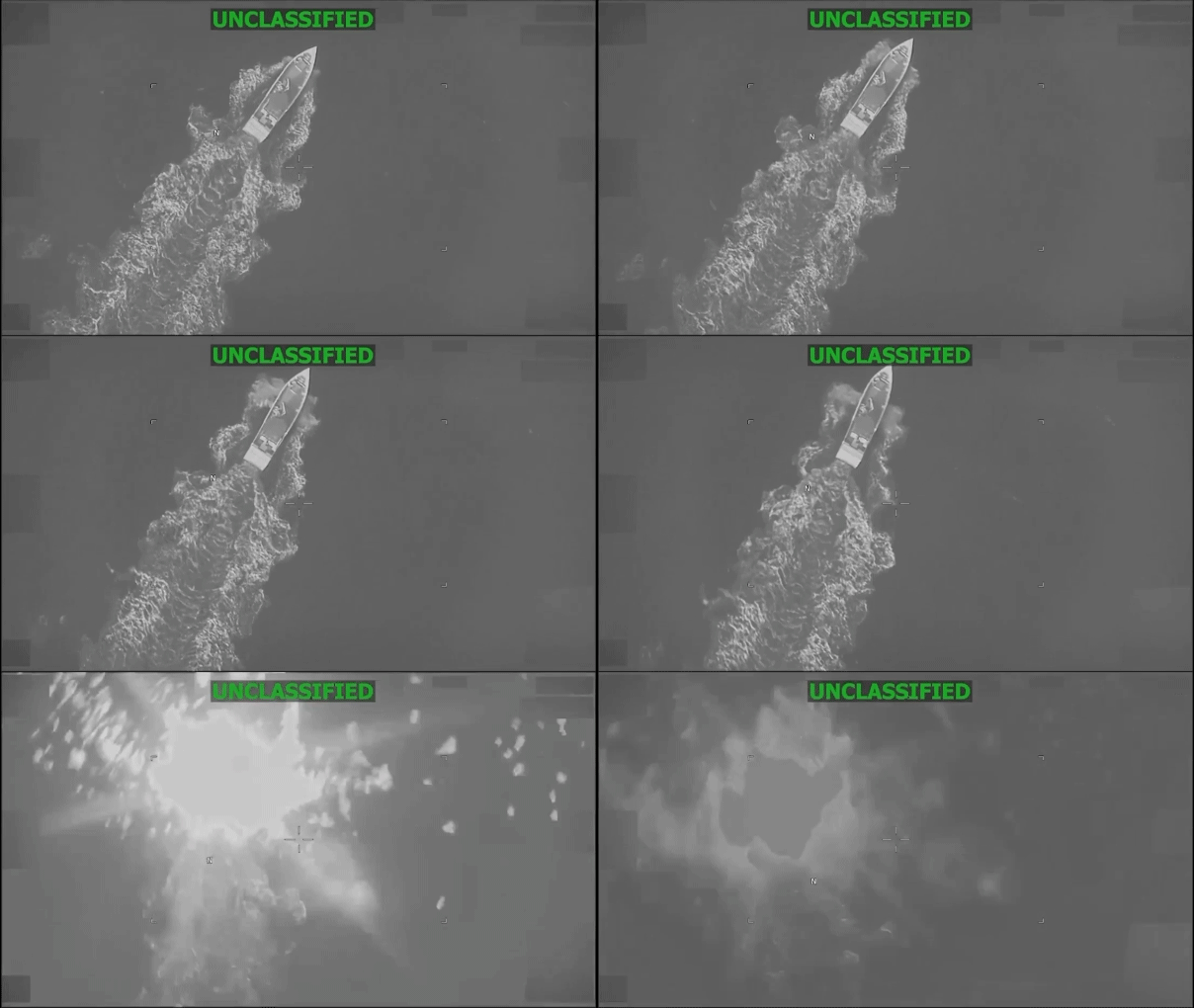
Image via Fox News
Caribbean Strikes Add Up: Security Policy With A Price Tag
U.S. Southern Command says the latest strike in the Caribbean killed four alleged drug smugglers, taking the tally to 227 deaths across 68 reported operations in roughly a year. That’s not a one-off interdiction posture anymore; it’s a sustained campaign.
When kinetic operations scale, two market channels open fast: politics and logistics. Politics because escalation creates headline risk and budget friction. Logistics because more operations mean more enforcement, more disruption, and more pressure on already-stressed maritime routes and regional governments.
📈 Fred's Take: This isn’t a “defense stocks to the moon” story by itself, but it is an escalation trend you don’t ignore. Expect more volatility around border security, cartel designations, and appropriations fights, which feeds into risk premia. Traders should treat this as a slow-burn catalyst for defense, surveillance tech, and select contractors, while watching for spillover that hits shipping insurance and regional EM sentiment.
📎 Fox News

Image via The Hill
Russia’s Recruiter Pipeline Goes South: Latin America As A Manpower Market
Reports highlight a familiar Russian playbook: lure Latin Americans with promised jobs, papers, and pay, then funnel them into frontline military service. It’s bait-and-switch recruiting dressed up as migration opportunity.
The market angle isn’t morality trading; it’s sustainability. Russia’s war machine is signaling labor stress and political limits at home, which increases the probability of messier mobilization, harsher domestic controls, and more erratic external behavior to keep the narrative intact.
📈 Fred's Take: When a regime starts shopping for soldiers abroad, it’s telling you the war is not getting cheaper. That keeps geopolitics bid: energy risk premium, defense procurement, and commodity volatility stay in the mix longer than consensus wants. Stay long optionality: energy hedges, gold exposure as insurance, and avoid complacency in European cyclicals that need “peace soon” to justify the multiples.
📎 The Hill

Image via BBC
Nepal-Tibet Flash Flood: The Kind Of Shock That Shows Up In Prices Later
Video from the Nepal-Tibet border shows a flash flood with real destructive scale. These events are brutal locally, but they also matter globally because mountain corridors aren’t just scenery; they’re infrastructure, transit, and power.
The immediate trade is sentiment and relief logistics, but the second-order trade is supply-chain fragility. Floods hit roads, bridges, hydropower, and cross-border movement. That can tighten regional commodity flows and nudge input costs, especially when the world is already sensitive to transport disruptions.
📈 Fred's Take: This is the part of “inflation persistence” nobody models well: random physical shocks that turn into recurring capex and higher insurance costs. It’s another reason the “disinflation is inevitable” crowd keeps getting mugged by reality. Watch for knock-on moves in regional infrastructure spending and in any commodities linked to reconstruction and power reliability.
📎 BBC
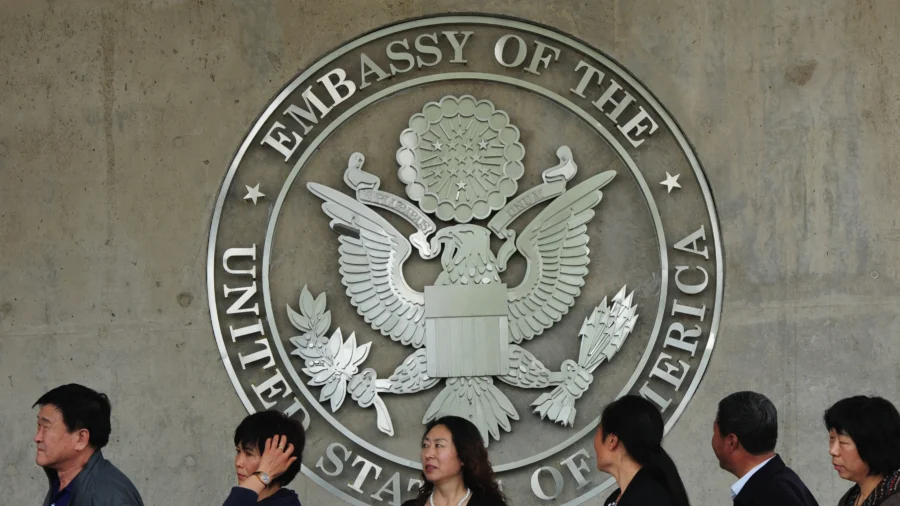
Image via NTD
Visa Appointments Frozen Worldwide: A Quiet Labor And Tourism Shock
The Trump Administration is reported to have paused visa appointments worldwide. Whatever the stated rationale, the mechanical impact is simple: fewer approvals, longer backlogs, and a chilling effect on travel, students, and employment-based inflows.
Markets tend to miss this because it doesn’t hit one earnings report overnight. But visa friction shows up in labor availability, wage pressure, university finances, tourism receipts, and the pace at which certain industries can staff up. It’s also a risk-off headline for cross-border business planning.
📈 Fred's Take: Freeze the pipeline and you tighten the labor market at the margin, which is not what you want when PCE is already running hot. That’s inflationary in services and negative for sectors that rely on seasonal and high-skill inflows, from hospitality to parts of tech and healthcare. If this persists, it supports the “rates higher for longer” backdrop and punishes companies priced for flawless growth.
📎 NTD
That’s the board. Trade what’s real: sticky inflation, rising security premiums, and policy friction that hits labor and margins. See you before the bell tomorrow.
— Fred Frost
