Today’s Sponsor
Oil markets are shifting as Venezuela's disruption removes critical barrels while spare capacity shrinks. Supply pressure is building before headlines catch up — and smart traders are positioning now.
Our exclusive briefing reveals three energy stocks emerging from this supply shock, plus the key signals to monitor as this setup evolves. This is about preparation, not prediction.
Get the Free Oil Trading ReportBy following the links above, you're opting in to receive valuable updates from Wealthiest Investor News plus 2 bonus subscriptions. Your privacy is important to us. You can unsubscribe anytime. See our privacy policy for details.

Geopolitics just shoved itself back into oil, rates, and defense. Washington health and succession risks are creeping into policy math. Meanwhile Big Tech keeps writing blank checks for compute.
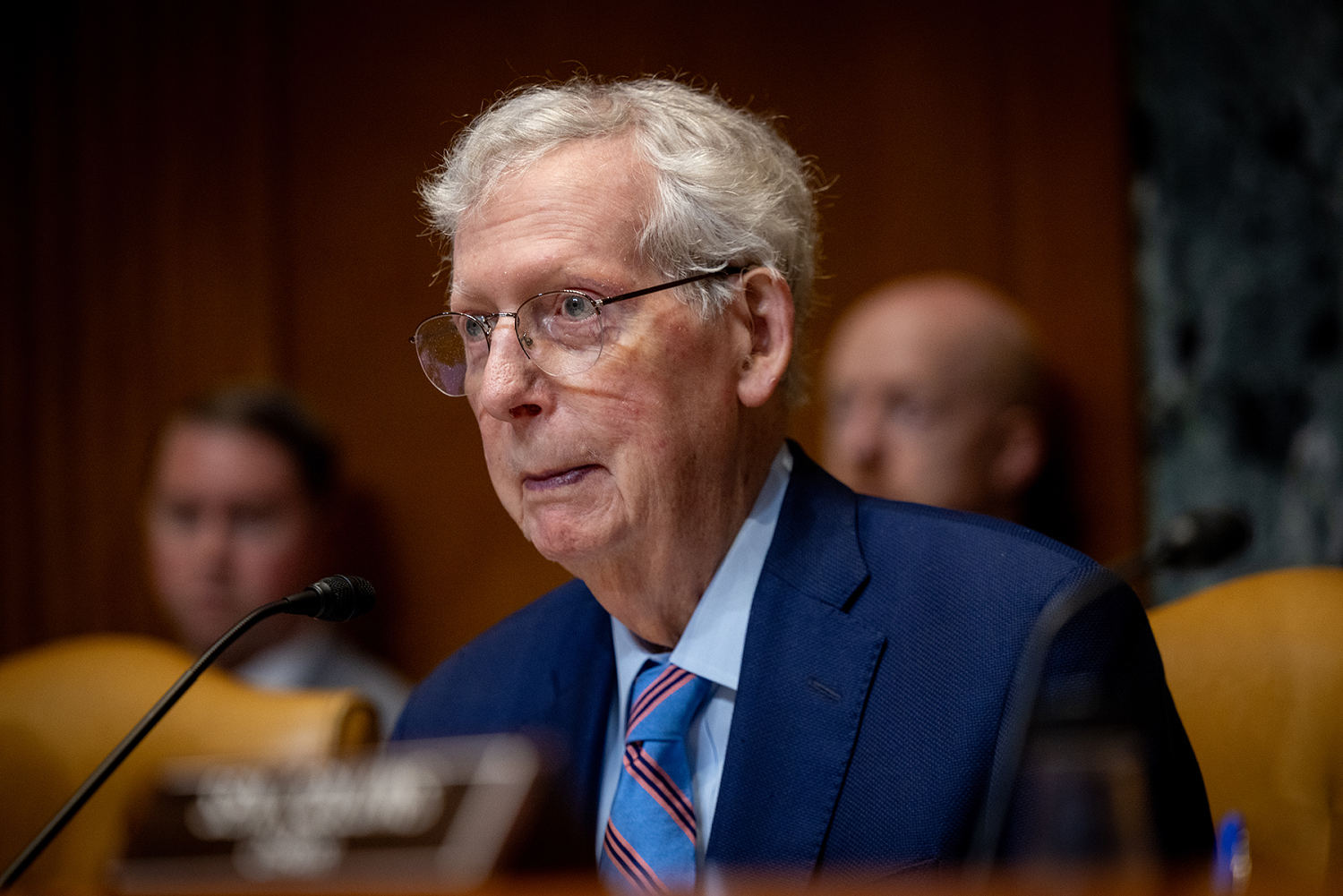
Image via NBC News
McConnell Breaks Silence After Hospitalization: Unconscious After Fall
Mitch McConnell says he suffered a fall and was unconscious, his first public statement since being hospitalized. He says he intends to return to the Senate, but he didn’t put a date on it.
Markets don’t trade sympathy; they trade vote counts. When the longest-running power brokers go off-grid, the whip math gets messy, committee control gets less predictable, and legislative calendars slip.
This matters because the second half setup is already policy-heavy: budget deadlines, defense appropriations, and whatever tax or crypto plumbing Congress tries to jam through before campaign season eats the schedule.
📈 Fred's Take: This is a volatility story disguised as a health story. Uncertainty around McConnell’s timing increases the odds of legislative drift, which usually means fewer surprises and a little more bid for duration in the near term. The bigger risk is a sudden leadership scramble that changes the probability distribution on fiscal deals and defense funding; watch the curve and defense names for the first tells.
📎 NBC News
U.S.-Iran Trade Blows As Hormuz Standoff Turns Into A Strike Cycle
The U.S. and Iran exchanged strikes as the Strait of Hormuz standoff escalated. Iran responded to a fresh wave of U.S. strikes by attacking American military bases in multiple Gulf states, pushing the region closer to a sustained tit-for-tat.
Hormuz is the market’s favorite chokepoint for a reason: you don’t need a full closure to change prices, you just need insurers to blink, shipping to reroute, and refiners to pay up for prompt barrels. The first order impact is crude and products; the second order is inflation expectations, then rates.
If this persists, it’s also a sector rotation event. Energy cash flows re-rate, airlines and transport get hit, and defense gets another demand signal. Crypto can pop on “risk-off fiat” narratives, but in real war-risk episodes it often trades like a high-beta equity until liquidity stabilizes.
📈 Fred's Take: The market will try to fade this, then it won’t be able to if tanker risk keeps rising. Higher oil is a tax, and the bond market will force the Fed to care even if the Fed pretends it’s “transitory geopolitics.” Position like this is a regime shift: own energy and selective defense, keep duration exposure tight, and don’t chase risk until the headlines slow down for 48 hours.
📎 CNBC
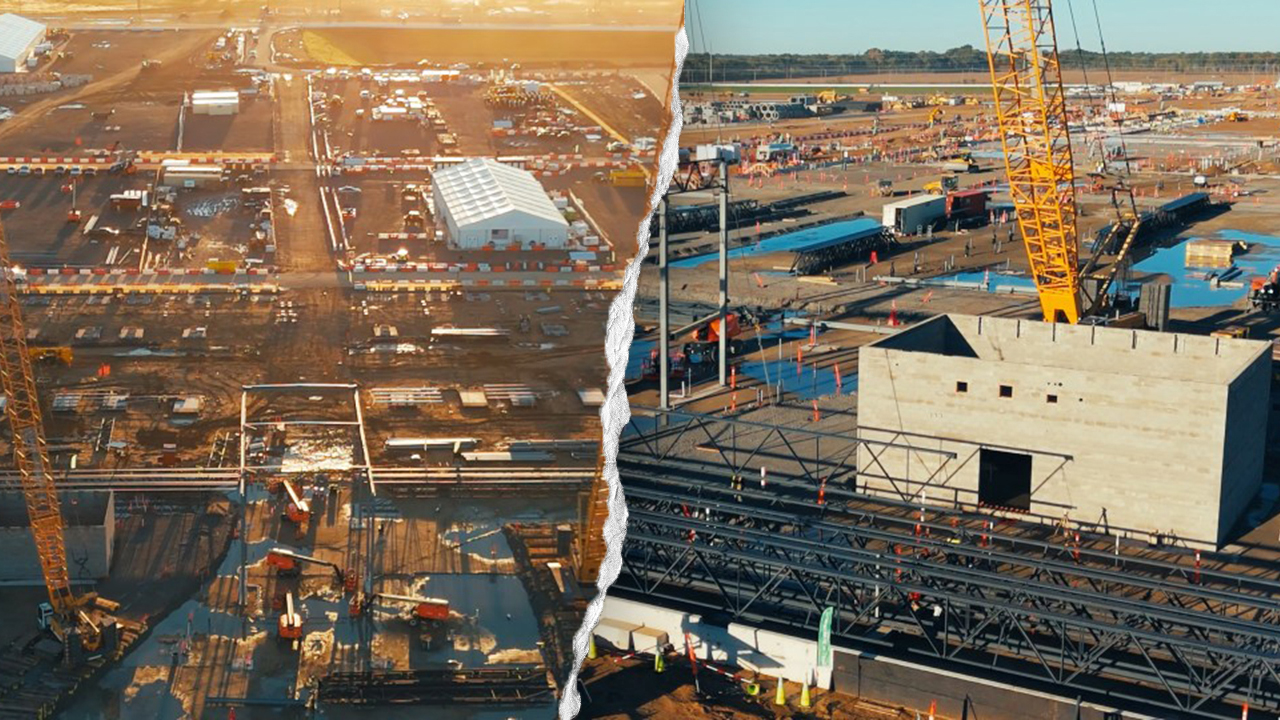
Image via Fox Business
Meta Doubles Down: $50B Louisiana Data Center Expansion Is The New Industrial Policy
Meta is expanding its Louisiana data center as part of a $50 billion AI push, turning the Richland Parish site into one of the largest data centers ever built. The company is pitching jobs and community funding as the local upside.
This is the capex cycle that matters. AI isn’t a software story anymore; it’s power, land, fiber, cooling, transformers, and long-dated procurement contracts. That spills into utilities, grid equipment, construction, and the entire “picks and shovels” supply chain.
The market implication is simple: the AI trade survives as long as cash-rich platforms keep spending and regulators don’t choke the power buildout. The cost of compute is becoming a macro input, not a tech footnote.
📈 Fred's Take: Meta’s checkbook is a signal: the AI arms race is still accelerating, not topping. That supports the infrastructure stack around data centers and power, but it also raises the bar for everyone else’s margins because electricity and hardware bottlenecks aren’t getting cheaper. If you’re hunting the next leg, look past the glamour names and into grid, generators, and the boring contractors who actually pour the concrete.
Lindsey Graham Dead At 71: Vance Eulogizes A GOP Power Center
Vice President JD Vance remembered Sen. Lindsey Graham after his office announced Graham died at 71 from a brief and sudden illness. Vance called him a singular figure in American politics.
Graham was a real node in the Senate network: defense, foreign policy, sanctions, and the dealmaking muscle memory that keeps the chamber functioning when it wants to. When a node disappears, the market has to re-price who can assemble majorities and how quickly.
The immediate question isn’t sentiment; it’s succession and committee influence. That feeds directly into defense budgets, sanctions regimes, and the pace of Washington’s response to overseas shocks.
📈 Fred's Take: This changes the probability of action in Washington more than the direction. In the short run, leadership and committee reshuffles slow policy throughput, which is usually good for markets that hate surprises. Over the medium term, watch defense and sanctions-sensitive sectors: a new power broker can be more hawkish, less predictable, and faster to use economic tools that move commodities and FX.
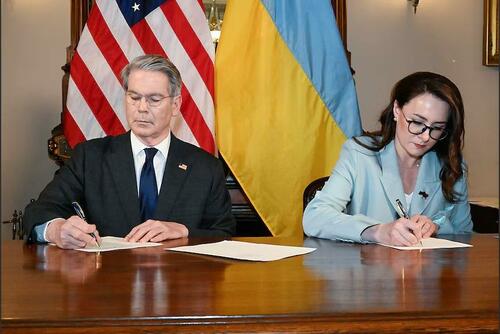
Image via ZeroHedge
Ukraine PM Quits Suddenly As Zelensky Starts A Cabinet Reset
Ukraine’s prime minister resigned in a surprise move, kicking off what looks like a broader cabinet reshuffle under President Zelensky. The shakeup signals internal pressure to reset strategy, personnel, and messaging as the war and financing needs grind on.
Markets care because Ukraine is now a permanent line item in Western budgets and a permanent factor in European energy and defense planning. A reshuffle can mean faster reform and smoother aid pipelines, or it can mean political turbulence that slows funding and complicates coordination.
The knock-on trades run through European rates, defense procurement, natural gas risk premium, and the euro’s sensitivity to any hint of alliance fatigue. The war is a macro variable now, not a headline event.
📈 Fred's Take: Cabinet churn is either optimization or stress, and you don’t get to know which one until the next funding vote. If this improves aid execution, European defense stays bid and energy risk premium stays contained; if it signals internal instability, Europe pays a risk tax in spreads and currency. Treat this as a volatility input to European assets, not a reason to take big directional bets on a single headline.
That’s the tape: war-risk back in crude, AI capex still sprinting, and Washington succession math quietly moving the goalposts. Trade the implications, not the emotions.
— Fred Frost
