Today’s Sponsor
While other sectors stall, AI investment is accelerating — showing up in earnings calls, corporate budgets, and real-world deployment. Capital is quietly concentrating around companies with clear demand and long-term relevance, and selective opportunities are forming right now.
A new research brief identifies 2 AI stocks trading under $15 that may be positioned for the next phase of growth — including key developments that could move these names in the months ahead.
Get the Free AI Stocks ReportBy following the link above, you're choosing to opt in to receive insightful updates from Investing Ideas Daily + 2 free bonus subscriptions! Your privacy is important to us. You can unsubscribe anytime. See our privacy policy for details.

Middle East risk is back in the tape, Washington is swinging a bigger trade hammer, and the Fed is telling markets to do the steering. Here’s what matters before the open.

Image via The Hill
Iran Claims It Controls Hormuz. Markets Hear “Supply Shock Option.”
Iran is out saying it controls the Strait of Hormuz after a weekend pause in strikes. That’s not a naval fact pattern as much as it’s a signaling operation: Tehran wants the world to price in uncertainty even when the shooting slows.
The Strait is the global choke point where energy risk turns into macro risk in hours. Even if physical flows keep moving, insurance, routing, and shipping spreads can jump on rhetoric alone. The pause in strikes buys time. The “we control it” line is the leverage.
📈 Fred's Take: Treat this as volatility inventory, not a single headline. The trade is higher risk premia: crude skew stays bid, defense and shipping insurance themes stay sticky, and rate-cut dreams get delayed if energy re-accelerates. If you’re long cyclicals, you want this contained fast; if you’re hedged with energy or gold, you just got paid to wait.
📎 The Hill
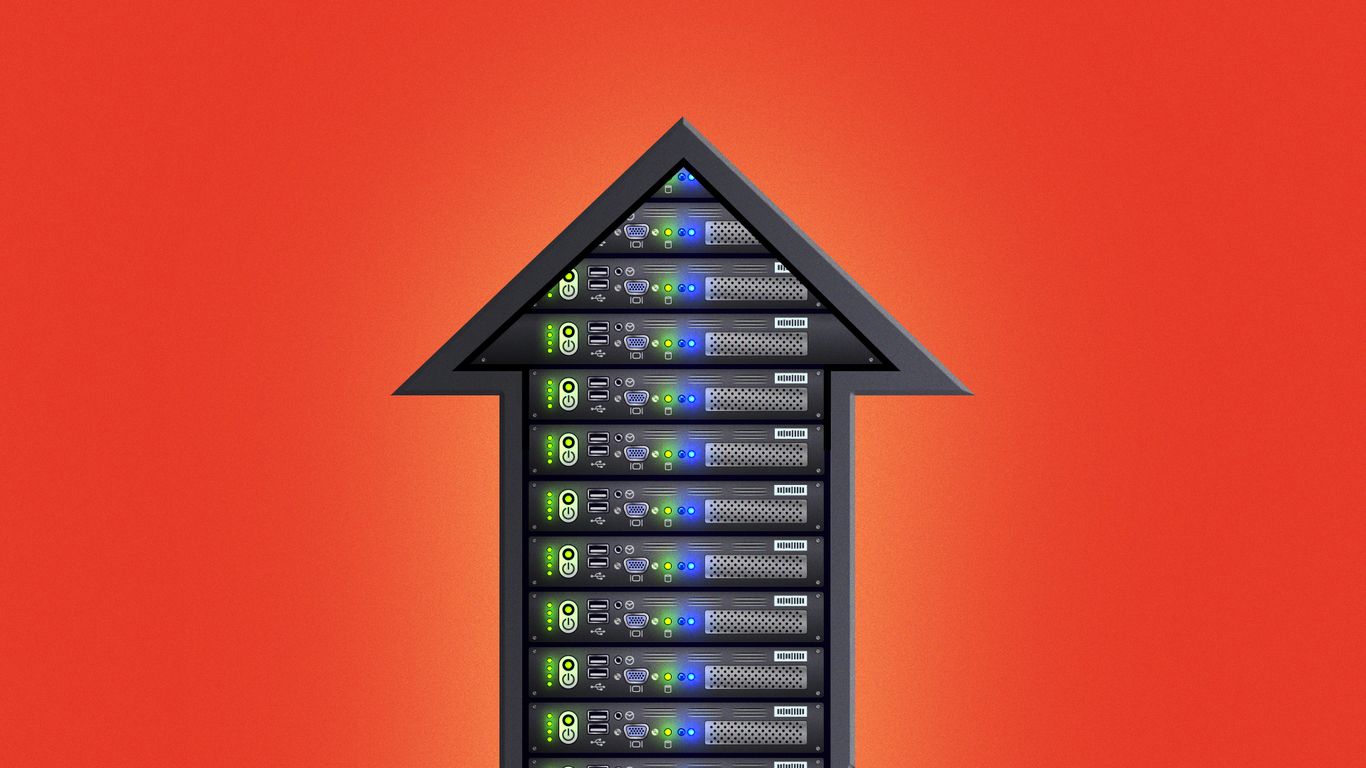
Image via Axios
Off-Grid AI Data Centers Hit Reality: Local Politics and Power Reliability
The pitch was simple: skip the grid, bring your own power, build faster, feed the AI boom. Now the off-grid data center land rush is running into the two things tech can’t code around: local backlash and reliability risk.
Permitting fights, fuel logistics, and community opposition are slowing projects that were supposed to print capacity on demand. And the reliability story is worse than advertised: you can’t run frontier-scale compute on a power plan that looks like a patchwork of generators, novel fuels, and optimistic uptime assumptions.
📈 Fred's Take: This is the capex hangover trade. AI isn’t dead, but the “infinite capacity tomorrow” narrative gets repriced, and that hits the marginal winners first: developers, equipment vendors tied to rushed builds, and anyone modeling straight-line GPU revenue without power constraints. The durable winners are the boring ones with secured grid interconnects, long-term power, and real operating discipline.
📎 Axios
Oil Eases on a Pause in Attacks. Don’t Confuse a Breather with a Bottom.
Oil prices backed off as attacks paused, giving traders a reason to take some risk premium out of the front month. That’s normal: the market sells the immediate fear when the tempo slows.
But the structural setup hasn’t changed. When the news cycle can flip from “paused” to “shipping incident” in minutes, the premium comes back fast and ugly. Physical markets care about flows, but futures care about the next headline.
📈 Fred's Take: This dip is not a green light to get cute short crude. Vol stays elevated, and that bleeds into inflation expectations and long-end rates even if spot oil relaxes for a day. The cleaner expression is optionality: stay long convexity in energy or own quality energy equities rather than trying to nail the tick-to-tick in front-month futures.
📎 AP News
Trump’s New Tariff Blitz: Bigger Target List, Faster Transmission to Earnings
President Trump launched a fresh tariff round targeting 60 trading partners, including the EU, China, and the U.K. This isn’t a rerun of the old trade-war playbook where markets had months to digest gradual escalation.
The difference this time is breadth and timing. Supply chains are already stressed by geopolitics and energy risk, and corporate pricing power is not what it was when the post-COVID demand wave let companies pass through anything. Tariffs now hit margins faster, and retaliation risk is higher because more countries are in the blast radius.
📈 Fred's Take: This is a margin story first, an inflation story second, and a growth story third. Expect dispersion: domestic defensives and firms with local sourcing win; global industrials, apparel, and import-heavy retailers eat it. If tariffs stick, the Fed gets less room to cut, and equity multiples don’t deserve to be heroic.
📎 CNBC
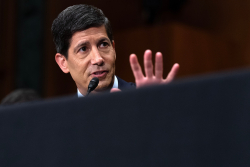
Image via RealClearMarkets
Warsh’s Fed: He Wants Markets to Move First. CFOs Should, Too.
RealClearMarkets flags a shift in tone from new Fed Chair Kevin Warsh: less forward guidance, more market-led tightening or easing. Translation: the Fed wants financial conditions to do more of the work, and it’s less interested in cushioning every wobble with verbal support.
For corporate America, that changes the playbook. If the Fed is stepping back from being the first mover, then funding costs, spreads, and equity signals matter more in real time. Waiting for a “Fed pivot” headline becomes an expensive habit.
📈 Fred's Take: CFOs should refinance early, extend duration when the market offers it, and stop betting on a rescue press conference. For investors, this is higher regime volatility: the Fed put is further out of the money, and risk assets will have to earn their multiples with cash flow, not hope. Watch credit spreads like they’re the policy rate, because in this setup, they basically are.
That’s the board. Trade the facts, hedge the headlines, and let price action tell you who’s lying.
— Fred Frost
