Today’s Sponsor
Policy is already moving markets in 2026 — trade enforcement, regulatory shifts, and tax positioning are redirecting capital right now. Institutions reposition before the headlines catch up, and the window to act early is closing fast.
Our analysts identified 5 stocks showing real momentum tied directly to current administration policy themes — including the sectors benefiting most from domestic investment trends and regulatory tailwinds. Don't get left behind.
Get the Free Report Now(By following any of the links above, you're choosing to opt in to receive insightful updates from The Investment News Daily + 2 free bonus subscriptions! Your privacy is important to us. You can unsubscribe anytime. See our privacy policy for details.)

Trump dials back strikes and crude dumps. Gold keeps acting like a monetary asset, not a commodity. FX officials just showed their hand in USDJPY. China biotech rips while DC keeps sharpening knives.
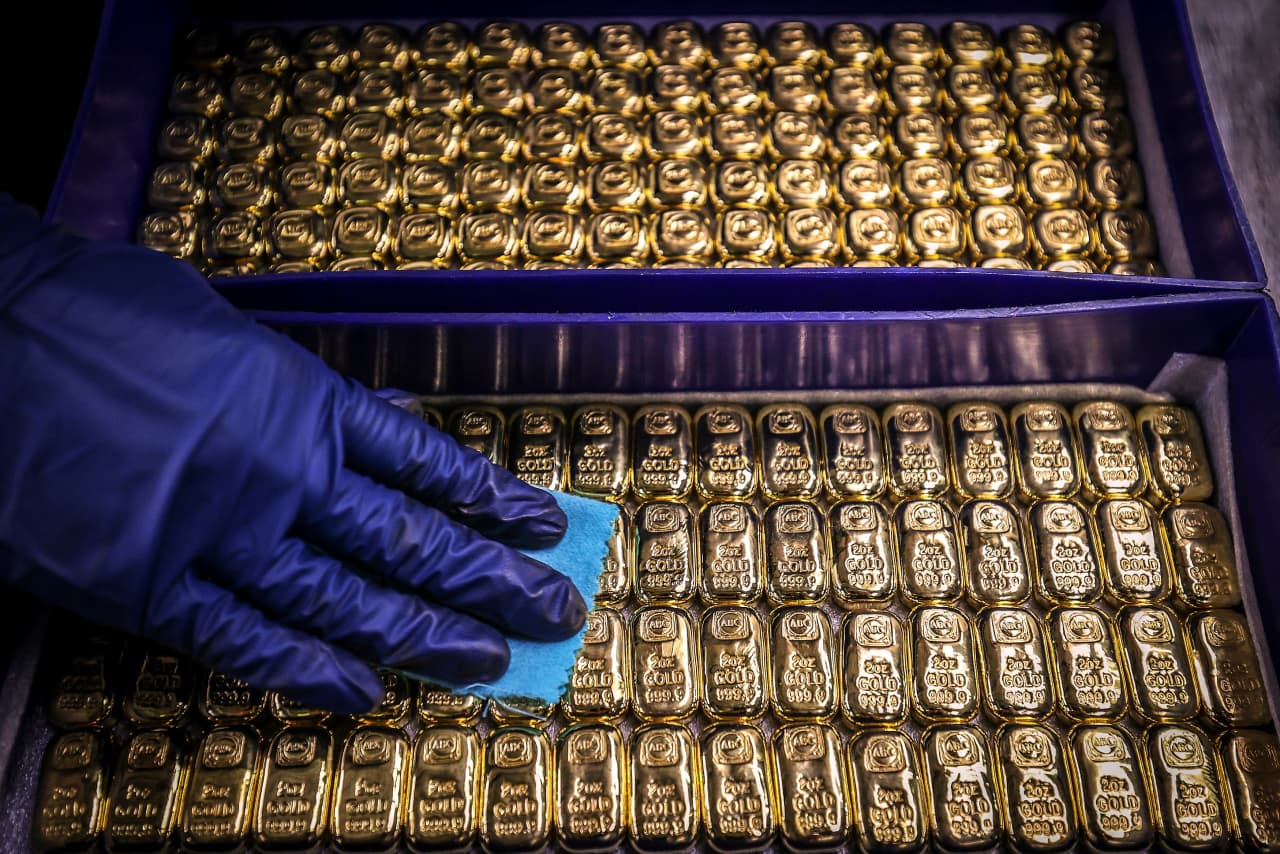
Image via MarketWatch
Deutsche Bank says gold is still in the blast zone
Deutsche Bank is sticking with its year-end target and calling this gold move an "explosive phase." Their point is simple: over long stretches, gold tends to beat CPI, and the last couple of years have been an especially clean example.
That matters because it reframes the trade. This is not a jewelry story and it is not a one-week fear bid. It is a balance-sheet story: sticky inflation math, fiscal noise, and a global central bank community that still wants optionality outside the dollar system.
If gold keeps outperforming CPI, it is telling you real rates are not as restrictive as the headlines say, or investors do not trust that restrictive stance to last. Either way, that is not a great message for long-duration bonds.
📈 Fred's Take: Gold is trading like the only liquid asset that does not require faith in anyone’s promises. If you are underweight, you are not being prudent, you are being opinionated about disinflation, deficits, and central bank credibility all at once. Own some gold, and if you need torque, use miners selectively and size it like you respect drawdowns.
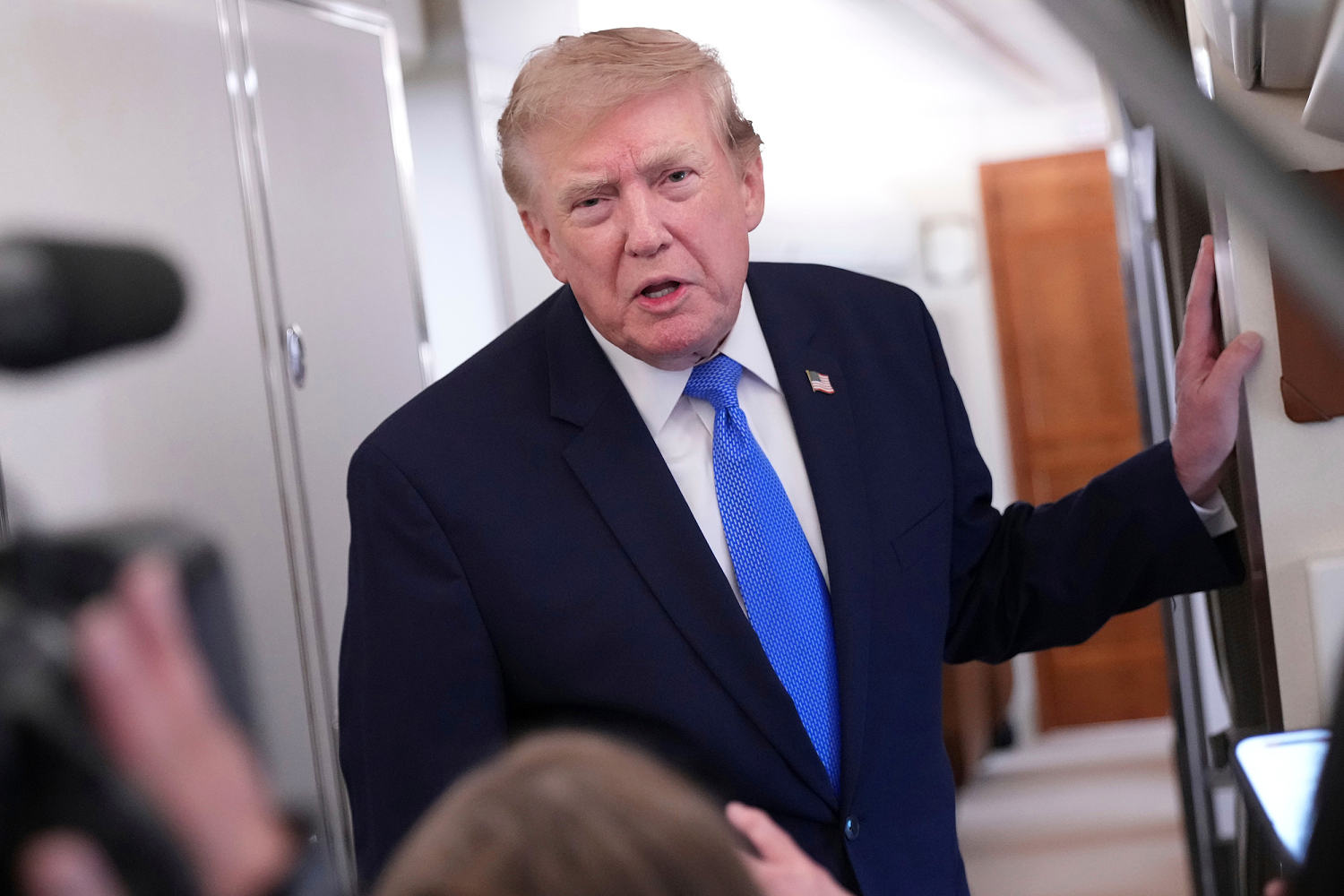
Image via NBC News
Iran says no talks; Trump says talks. Markets price the gap.
Iran publicly denied President Trump’s claim that new talks would start Monday after he said he called off planned strikes to allow room for a deal. That is classic headline-war: one side selling de-escalation, the other side refusing to be seen negotiating under pressure.
The immediate market question is not who is telling the truth. It is whether shipping and energy infrastructure risk is rising or falling over the next 72 hours. Diplomacy noise lowers the near-term risk premium, but the denial keeps the tail risk alive.
This is the same setup we have seen for years: the trade is made in the first 15 minutes, then the reality arrives days later. If you are short volatility into this kind of fog, you are volunteering to fund everyone else’s hedges.
📈 Fred's Take: Treat this as a volatility regime, not a prediction contest. If talks are real, crude stays heavy and cyclicals breathe; if they are not, you get a fast snapback in oil, defense, and front-end inflation pricing. The right posture is optionality: keep energy hedges on, keep duration light, and don’t chase risk on a single headline.
📎 NBC News
Crude sells the de-escalation story — for now
Oil fell after Trump said he called off an Iran attack. The market did what it always does: yank out the immediate war premium first, ask questions later.
But the structure matters. When crude drops on geopolitics without a matching demand shock, it is mostly about removing tail risk from the front of the curve. If the Strait of Hormuz threat perception eases, prompt barrels cheapen faster than the back end, and inflation breakevens cool with it.
Lower oil is a tax cut for consumers and a gift to risk assets, but it is also a tell that the market is buying the White House message. If that message gets contradicted by events, the bounce can be violent.
📈 Fred's Take: I like crude lower, but I do not trust it to stay lower. This is the exact tape where you buy downside in equities with cheaper vol, not where you lever up on the idea that geopolitics is solved. Use the dip to reload energy exposure at better levels if you were light, because one tanker headline can reverse today’s whole move.
Yen intervention just drew a line in the sand at 160
The market is parsing what the joint U.S. involvement to support the yen really means after USDJPY slid to around 157 from above 163. The message is that officials are no longer pretending they are fine with a disorderly slide.
This is not about a stronger yen as a moral good. It is about spillovers: imported inflation into Japan, volatility in global carry trades, and the risk that a runaway dollar-yen move destabilizes funding markets. When policy makers step in together, they are telling you the threshold was not academic.
A firmer yen tightens global financial conditions at the margin because it squeezes carry. That can hit risk assets quietly: less leverage, less easy hedging, and more forced de-risking if USDJPY moves fast in the other direction.
📈 Fred's Take: This is a warning shot to every carry tourist on the street. If you are long risk because cheap funding made it feel painless, you should assume officials just raised your financing cost in a non-linear way. I would not fade the intervention immediately; I would reduce exposure to trades that only work when USDJPY drifts higher in a straight line.
📎 CNBC

Image via South China Morning Post
Wuxi prints a monster half — and Washington still wants its pound of flesh
Wuxi AppTec posted a first-half earnings surge that beat expectations, driven by strong demand for contract pharma research and manufacturing. Operationally, this is what a scale platform looks like when biotech funding is not dead and global pharma keeps outsourcing.
The catch is the same one hanging over every strategic Chinese tech-adjacent name: U.S. scrutiny. Earnings strength does not remove policy risk, it amplifies it, because it proves the business is important and profitable.
For markets, this splits the trade. Fundamentals say buy. Headline risk says keep position sizes sane, expect gap risk, and watch for supply chain reshoring beneficiaries in the U.S., Europe, and India.
📈 Fred's Take: This is a high-quality business trapped in a high-friction geopolitical tape. If you own it, you own policy volatility, so get paid for it with valuation and don’t get cute with leverage. The smarter portfolio move is barbell: selective exposure to China’s best operators while also owning the non-China contract development and manufacturing names that win if Washington tightens the screws.
That’s the tape. Keep duration honest, keep optionality cheap, and don’t confuse one calm headline with a solved problem.
— Fred Frost
