Today’s Sponsor
Oil markets are shifting as Venezuela's disruption removes critical barrels while spare capacity shrinks. Supply pressure is building before headlines catch up — and smart traders are positioning now.
Our exclusive briefing reveals three energy stocks emerging from this supply shock, plus the key signals to monitor as this setup evolves. This is about preparation, not prediction.
Get the Free Oil Trading ReportBy following the links above, you're opting in to receive valuable updates from Wealthiest Investor News plus 2 bonus subscriptions. Your privacy is important to us. You can unsubscribe anytime. See our privacy policy for details.

Greenspan exits the stage. FX is screaming: strong dollar, weak yen. Iran opens the door to inspectors. LAUSD blows up. UK politics hits the eject button — again. Here’s what matters for your money before the bell.
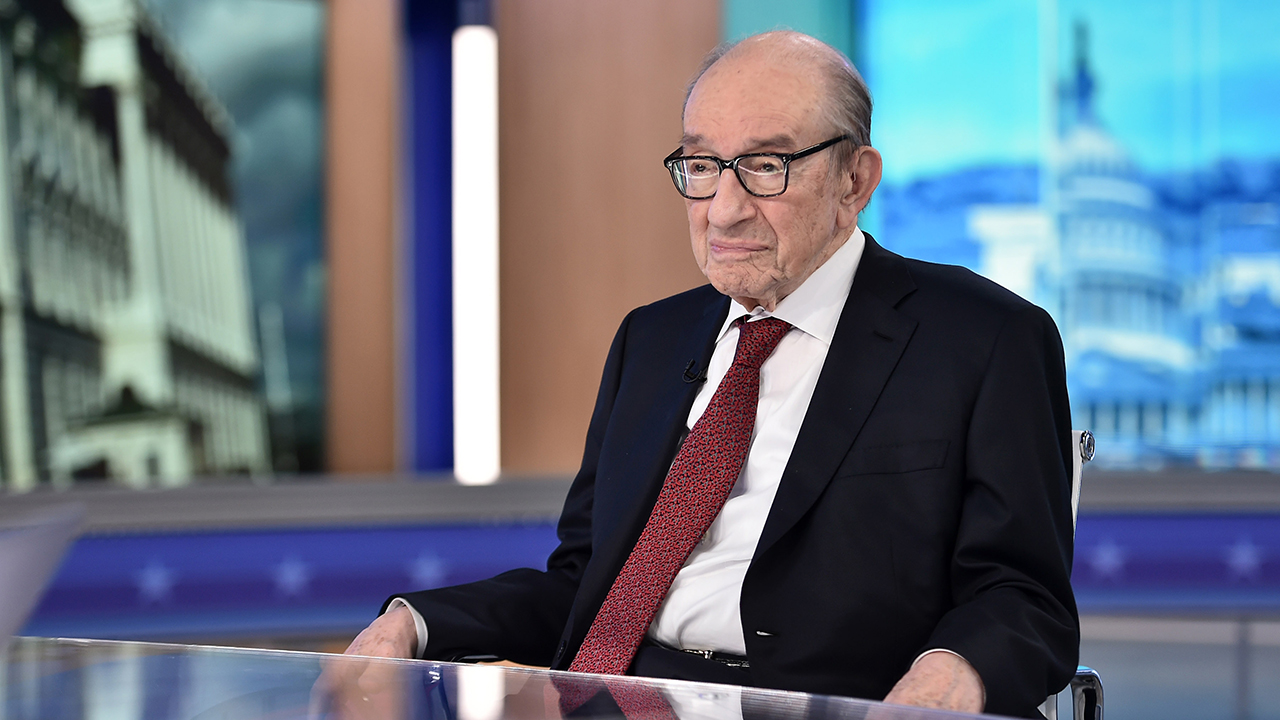
Image via Fox Business
Alan Greenspan Dies at 100 — The Original “Fed Put” Leaves the Building
Former Fed Chair Alan Greenspan died Monday at 100, per a statement from his wife, NBC’s Andrea Mitchell. For market people, he wasn’t just a central banker — he was the architect of the modern playbook where asset prices became a policy variable, whether anyone admitted it out loud or not.
Greenspan’s tenure hardwired two habits into Wall Street: (1) treat volatility as temporary because the Fed will eventually respond, and (2) overpay for duration when you believe the Fed can sterilize every shock. You can draw a straight line from that era to the leverage culture that exploded later — housing, credit, and the repeated cycle of “risk on, then rescue.”
📈 Fred's Take: Greenspan’s legacy isn’t a quote about “irrational exuberance.” It’s the market’s reflex to front-run central bank easing and monetize every dip. That reflex still underpins equity multiples and the persistent bid for long-duration growth — until inflation or politics forces the Fed to choose between credibility and markets. The biggest lesson for portfolios: don’t confuse a historical pattern with a guaranteed backstop.
Dollar Up, Yen Hanging by a Thread — FX Is Doing the Macro Talking
The dollar firmed as traders watched U.S.–Iran talks, while the yen slid toward a 40-year low. That’s the cleanest “risk + rates” signal you’ll get: the U.S. still offers higher carry and deeper liquidity, and Japan still can’t convincingly defend its currency without breaking something at home.
A weak yen is not just an FX headline — it’s global financial conditions loosening in Japan and tightening elsewhere. It pressures Asian importers, distorts earnings translations, and dares Tokyo to either tolerate imported inflation or finally accept higher rates. Meanwhile, a stronger dollar is a headwind for commodities (in USD terms), EM, and any U.S. company that needs foreign revenue growth to justify its multiple.
📈 Fred's Take: If the yen keeps bleeding, the probability of policy accident rises — either a real Japan policy pivot or a disorderly “one-day” FX move that spills into global risk. Positioning-wise: strong dollar favors quality balance sheets over levered beta, and it keeps me cautious on EM and most commodity-chasing narratives unless China demand is unmistakably accelerating. Also: a strong dollar plus sticky U.S. services inflation is how you get rates higher-for-longer without the Fed saying the quiet part loud.
📎 Reuters

Image via The Hill
LAUSD Superintendent Resigns After FBI Raids — Muni Risk Isn’t Just About Rates
Los Angeles Unified School District Superintendent Alberto Carvalho resigned after FBI raids hit his home and district offices, according to reports. This is governance risk, not a soap opera — the largest school district in California doesn’t lose leadership under federal scrutiny without real downstream consequences.
School districts sit inside the municipal market ecosystem: labor contracts, capex plans, vendor spend, and bondholder confidence. When management stability cracks, you can get delayed projects, renegotiated obligations, and a messier credit narrative — especially when pension and wage pressures are already the structural issue for public entities.
📈 Fred's Take: Munis have been sold as “safe yield” for so long that investors forget the real risk is political and operational, not just duration. If you own California local paper, you’re underwriting competence as much as cash flow. My move: stay up the quality stack, shorten duration where you can, and don’t reach for yield in issuers where governance can change the story overnight.
📎 The Hill
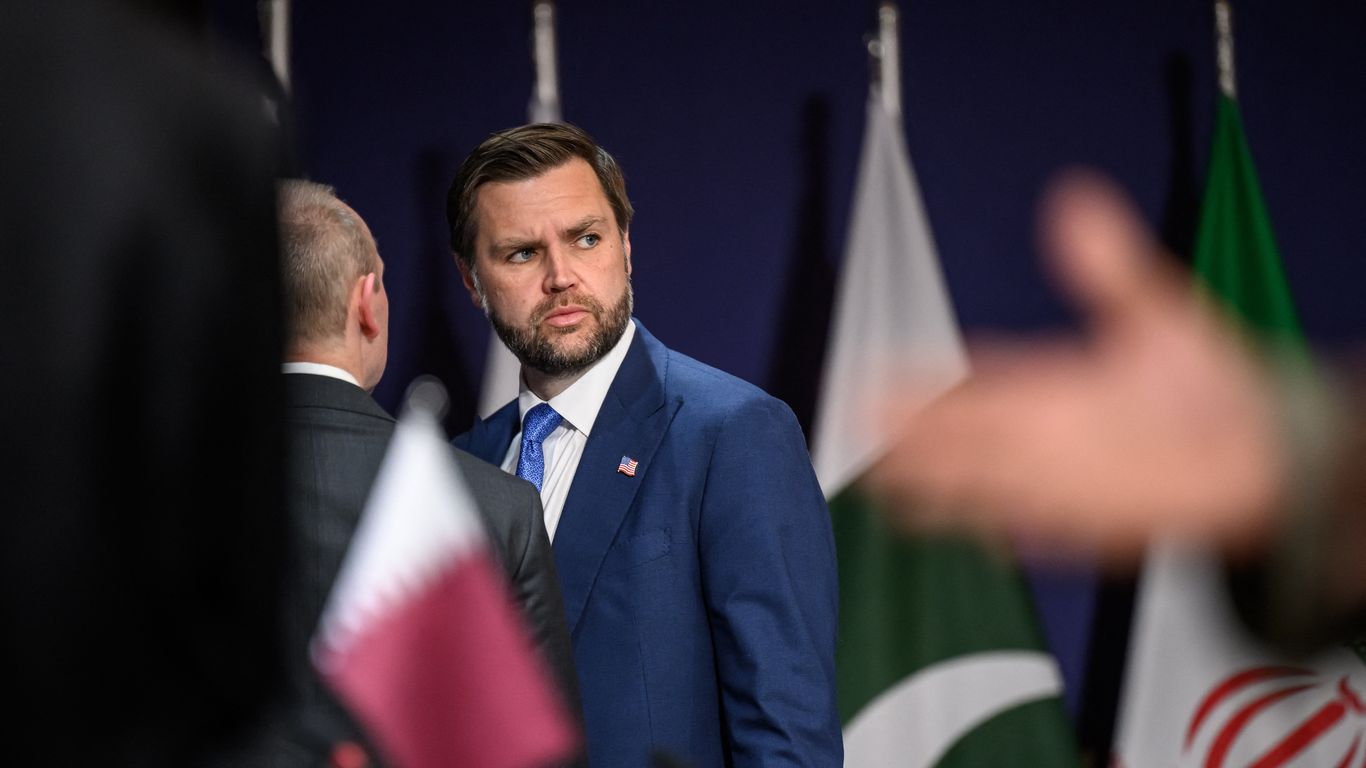
Image via Axios
Iran Lets UN Inspectors Back In — The Oil Volatility Valve Just Cracked Open
Vice President JD Vance said Iran agreed to allow International Atomic Energy Agency inspectors back into the country after the first round of U.S.–Iran nuclear talks. Markets hear one word: de-escalation. Even if it’s partial and reversible, it changes the short-term probability tree for Gulf risk.
If inspectors return and talks hold, crude risk premium can bleed out — not necessarily collapse, but compress. That flows straight into inflation expectations, breakevens, and the path for policy rates. Energy is still the swing factor for “surprise” CPI prints, and that’s what determines whether rate cuts are fantasy or math.
📈 Fred's Take: This is a potential volatility suppressant for oil, not a permanent peace dividend. But even a modest reduction in geopolitical premium matters: it lowers the odds of an inflation flare that forces the Fed to stay tight into a slowdown. Translation: supportive for long-duration assets at the margin, bearish for pure geopolitical oil longs, and constructive for airlines/transport if it sticks — with a big asterisk that this can reverse in a single headline.
📎 Axios
Image via AP News
Starmer Quits — UK Political Risk Reopens the Rate + Pound Playbook
UK Prime Minister Keir Starmer is out, per AP reporting. Britain now re-enters its favorite market sport: leadership churn that forces investors to price uncertainty into fiscal policy, regulation, and the Bank of England’s reaction function.
When Downing Street wobbles, the UK usually pays in two places: the pound and the term premium. If investors suspect fiscal drift or policy lurch, gilts demand a higher risk premium, and sterling becomes the shock absorber. That combination can tighten domestic financial conditions even if the BOE wants to stay “patient.”
📈 Fred's Take: The UK is back in the danger zone where politics can manufacture its own credit spread. If the succession process points toward looser fiscal promises, expect gilts to cheapen and GBP to stay offered — which also keeps imported inflation alive. For investors: don’t treat UK assets as “developed market boring.” They’re tradable, headline-driven, and they will move faster than your risk committee.
📎 AP News
That’s the tape. Protect the downside first, then let the upside come to you. — Fred Frost, Morning Bullets
— Fred Frost
