Today’s Sponsor
Fierce Investor's research team has spotted unusual activity on a NASDAQ stock flying under the radar — and their briefing drops in 48 hours. This could be one of the biggest potential breakout setups of the next 21 days.
Don't wait until it goes wide. Get the full briefing delivered straight to your inbox — before everyone else does.
Get the Free Briefing NowBy clicking the button above, you are automatically subscribing to Wealth Creation Investing in partnership with Fierce Investor. We respect your privacy. Unsubscribe at any time. Wealth Creation Investing Privacy Policy | Fierce Investor Privacy Policy
Neither Wealth Creation Investing nor Fierce Investor is a registered investment adviser or broker-dealer. This content is for informational purposes only and is not personalized investment advice. Past performance does not guarantee future results.

Five moves to price before the bell: media trust as an asset, FAA capex as stimulus, a three-way summit that can swing chips and crude, Europe starving its own innovators, and import inflation that keeps the Fed boxed in.
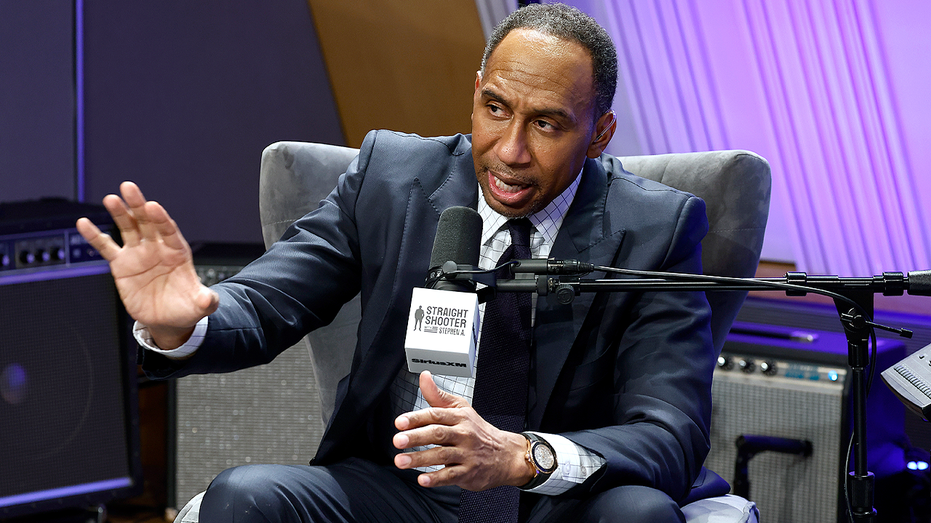
Image via Fox News
Stephen A. Smith Pushes Back On "Fact-Check Him Live" Demands
Stephen A. Smith is catching heat for not fact-checking President Trump in real time during a White House interview, and he’s telling critics to knock it off. His argument: an interview isn’t a courtroom cross-exam, and the obsession with instant rebuttal turns everything into performative TV instead of information.
This matters because politics now trades like meme stock flow. The public’s trust in the messenger is becoming the product, and the incentives are brutal: higher engagement beats higher accuracy, and “gotcha” beats “follow-up.” That’s not a culture war footnote. It’s how narratives form that move sectors, sanctions risk, and risk premia in a single cycle.
📈 Fred's Take: Markets don’t need every interviewer to be a human Bloomberg terminal; they need clarity on what policy is actually getting implemented. The investable edge is understanding when a narrative is being manufactured versus when it’s signaling real legislation, real tariffs, real spending. Treat “media outrage” as volatility, not information: it spikes fast, fades fast, and the only people consistently paid are the platforms selling the attention.
📎 Fox News

Image via The Hill
FAA Modernization Goes Big: $50B Or Keep Rolling The Dice
The FAA chief is defending a push for a roughly $50 billion funding package amid what he calls “ridiculous” criticism, after a run of technical disruptions put U.S. aviation infrastructure back under the klieg lights. The message from the administration is straightforward: modernize systems, fix staffing and tech gaps, or accept more outages and more political heat.
This is a clean macro tell. Aviation is critical infrastructure with immediate voter pain, which means the probability of spending only rises from here. The market lens is second-order: a funding surge feeds contractors, software modernization, cybersecurity, and equipment upgrades, and it lands in the same calendar as elevated deficits and a rates market already jumpy about supply.
Also in the political tape: Mary Peltola winning in Alaska keeps the Senate math and committee power in play, which influences what kind of “infrastructure” spending makes it through and how it’s paid for.
📈 Fred's Take: If Washington writes a $50B check, the winners won’t be airlines first; it’ll be the picks-and-shovels stack: defense-tech adjacent contractors, IT services, and systems integrators. But every new spending package is another brick in the wall keeping long-end yields sticky, so don’t buy the “stimulus is always bullish” line without checking what bonds are doing. Watch 10s and 30s: if they back up on supply fears, the multiple compression will show up right when the contractors pop.
📎 The Hill
Trump Touches Down In China: Xi, Putin, And One Giant Risk Trade
President Trump landed in China ahead of a three-way meeting with Xi and Putin set for Thursday. The White House is framing it as a historic sit-down focused on major geopolitical and economic issues, with the world watching for any signal on trade friction, tech restrictions, and security flashpoints.
This is the kind of event the market pretends to ignore until the headline hits. Any hint of détente can light up semis, industrials, and China-sensitive cyclicals. Any hint of confrontation, new export controls, or energy bargaining can reprice crude, defense, and the entire inflation path in a blink. And when Putin is in the room, energy and sanctions are always on the table whether anyone says it out loud or not.
📈 Fred's Take: Don’t trade your book on smiles and handshakes; trade it on language about tariffs, chips, and energy settlement. If you get even a modest thaw, semis and mega-cap tech rip because the market’s been paying a persistent “China discount” in forward multiples. If you get escalation, gold and the dollar catch a bid fast, and crude becomes a tail-risk accelerator into year-end.
📎 TODAY
Europe’s Capital Markets Problem Is Now A Growth Problem
Europe keeps talking about competing in AI, defense tech, and climate infrastructure, but it still can’t finance like a heavyweight. A Bloomberg dispatch from the European Business Summit highlights the recurring complaint: capital is fragmented, equity funding is shallower, and scaling companies is harder than it should be.
The market impact is structural. The U.S. can fund risk at size through deep public markets, liquid credit, and venture pipelines that feed IPOs. Europe’s model forces more dependence on banks and slower, more regulated capital formation. That means fewer breakout winners, lower productivity, and a persistent valuation gap versus the U.S., even when the macro looks “cheap.”
📈 Fred's Take: Europe isn’t “undervalued” if it can’t recycle savings into growth assets efficiently. Until they fix market depth and cross-border friction, you’re mostly buying exporters, banks, and defensives with occasional bright spots, not a durable innovation flywheel. The trade is selective: own the globally dominant European franchises, but don’t expect a broad Europe multiple re-rate without a real capital-markets union.
Import Inflation Is Back: Electronics Blow Up, And The Fed Box Tightens
Wolf Street is flagging what looks like a second wave of inflation pressure coming through import prices, with broad-based spikes and a standout surge in imported electronics. The drivers read like the 2026 economic story in one paragraph: relentless AI data center capex, sticky energy inputs, and higher prices filtering through capital goods and consumer goods.
This is the bad kind of inflation for markets because it hits both growth and policy. If import prices are rising, companies either pass it through (hurting consumers) or eat it (hurting margins). Either way, the “rates can come down soon” narrative gets harder to defend, especially if the inflation impulse is tied to investment demand rather than a one-off supply shock.
Electronics inflation is a direct tax on the modern economy: businesses, households, and the entire AI buildout all pay it.
📈 Fred's Take: If import prices are accelerating, the Fed’s job isn’t getting easier; it’s getting more political and more binary. That keeps real yields elevated and makes long-duration equities vulnerable to any upside inflation surprise. Your hedge menu stays the same: quality cash-flow stocks over story stocks, some gold as policy insurance, and respect for the dollar when inflation is being imported instead of domestically “fixed.”
That’s the board. Price the policy, respect the bond market, and don’t let headlines trade your risk for you. — Fred Frost, Morning Bullets
— Fred Frost

