Today’s Sponsor
While other sectors stall, AI investment is accelerating — showing up in earnings calls, corporate budgets, and real-world deployment. Capital is quietly concentrating around companies with clear demand and long-term relevance, and selective opportunities are forming right now.
A new research brief identifies 2 AI stocks trading under $15 that may be positioned for the next phase of growth — including key developments that could move these names in the months ahead.
Get the Free AI Stocks ReportBy following the link above, you're choosing to opt in to receive insightful updates from Investing Ideas Daily + 2 free bonus subscriptions! Your privacy is important to us. You can unsubscribe anytime. See our privacy policy for details.

Five pre-market drivers: domestic election security noise, Iran strike escalation risk, AI monetization doubt hitting semis, Ukraine logistics resilience, and a late-cycle campaign pivot with sector-level consequences.
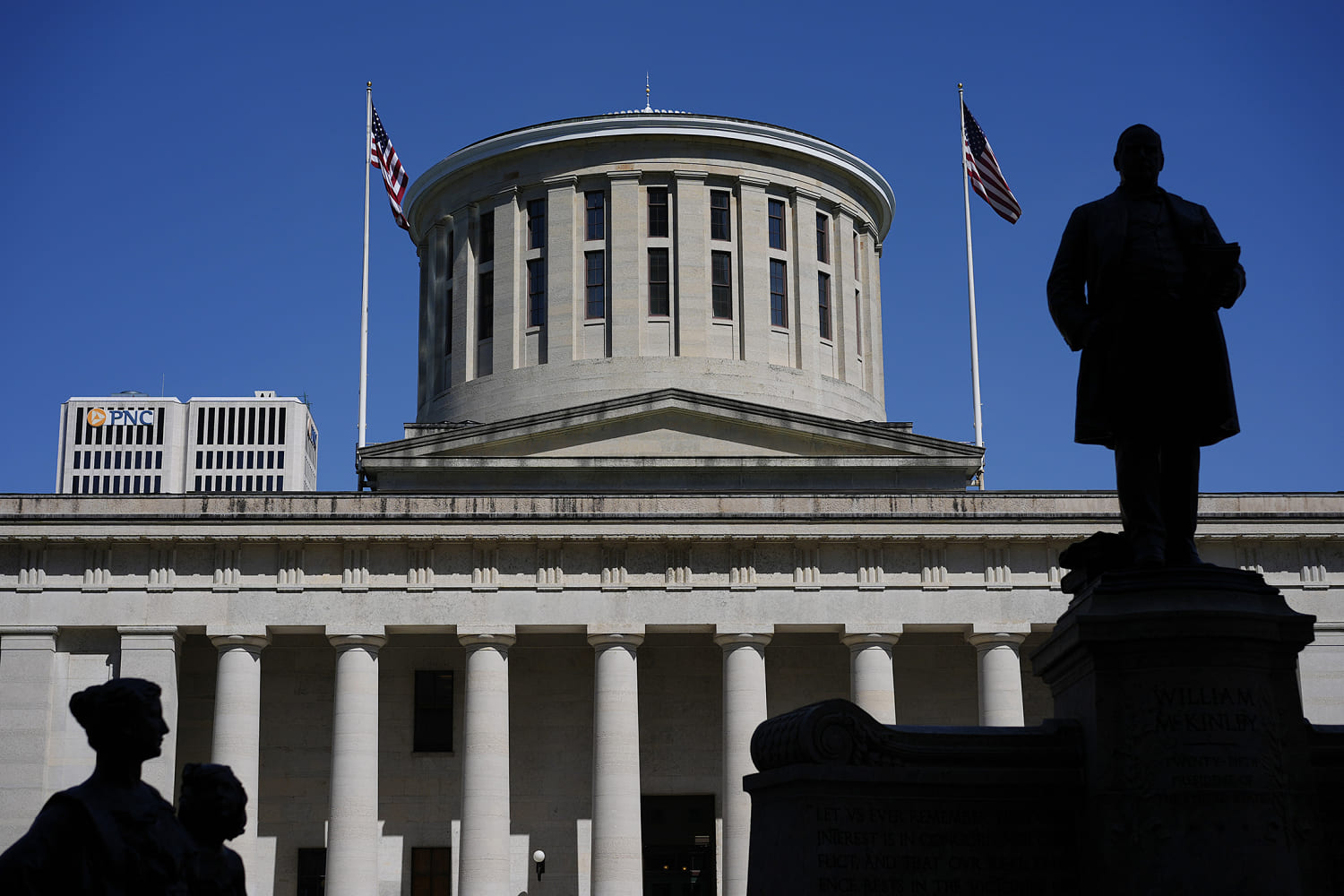
Image via NBC News
White powder hits election offices: low damage, high volatility potential
Suspicious white powder packages were sent to election offices in three states. So far: no injuries, no confirmed hazardous exposure, and the usual federal-state law enforcement pile-on.
This is the kind of incident that doesn’t move markets today, then suddenly matters when it stacks on top of other election frictions. The real risk isn’t the powder. It’s operational disruption, staff pullbacks, and a growing security perimeter around ballot processing that becomes fodder for legal fights.
Investors should treat this as another reminder that election plumbing is now a national security story. That means more spending on physical security, mail screening, and cyber hardening, plus a higher probability of headline-driven volatility in the final stretch.
📈 Fred's Take: Markets don’t price election-administration risk until the week they have to. If you’re running risk into Election Day, assume the tape will overreact to any operational disruption story, even when the facts are benign. This is a small bid for security vendors and a big bid for keeping hedges on index exposure.
📎 NBC News
U.S.-Iran escalation talk: the MOAB headline is really a Hormuz premium
Reports say the U.S. is weighing strike options on Iran that include one of the largest non-nuclear bombs in the arsenal. Iran, for its part, is signaling it’s not blinking. This is classic brinkmanship, but the market doesn’t need a full war to reprice energy risk.
The transmission mechanism is simple: Hormuz. Even the threat of disruption pushes crude up, widens inflation uncertainty, and yanks bond yields around as traders reprice growth vs. price pressures. Defense names catch a bid, airlines and transports get clipped, and EM risk spreads widen.
Also watch positioning. If energy vol spikes, systematic funds reduce risk elsewhere, which is how a Middle East headline turns into broad equity weakness on an otherwise “nothing” morning.
📈 Fred's Take: The MOAB detail is theater; the real trade is the probability-weighted Hormuz squeeze. If crude jumps, the Fed doesn’t have to hike to hurt duration — breakevens do the damage for them. Stay long quality energy cash flows, keep a tight leash on high-multiple growth, and don’t confuse a ceasefire rumor with risk being off the table.
📎 CNBC
Image via MarketWatch
AI reality check hits semis: the market is re-rating the whole stack
Chip stocks are back under pressure as new chatter around AI economics spreads. The key issue isn’t whether AI is real. It’s whether the ecosystem can turn capex into durable profit fast enough to justify the current buildout.
Reported details around Anthropic’s financial progress are feeding a familiar fear: great product, ugly unit economics, and a funding treadmill. If the market believes the model layer can’t monetize without constant subsidy, it won’t pay peak multiples for the picks-and-shovels forever either — even for best-in-class names like Nvidia and major memory players like Micron.
This is how the narrative shifts: from “AI is inevitable” to “AI payback period is longer than we thought.” Longer payback equals lower multiples, especially when rates aren’t bailing you out.
📈 Fred's Take: This isn’t the end of AI — it’s the end of lazy AI beta. The winners are the companies with pricing power, scarce supply, and visible backlog, not the entire semiconductor complex. Treat rallies as chances to rotate from crowded momentum into cash-flow certainty, because multiple compression is what kills you, not the technology thesis.
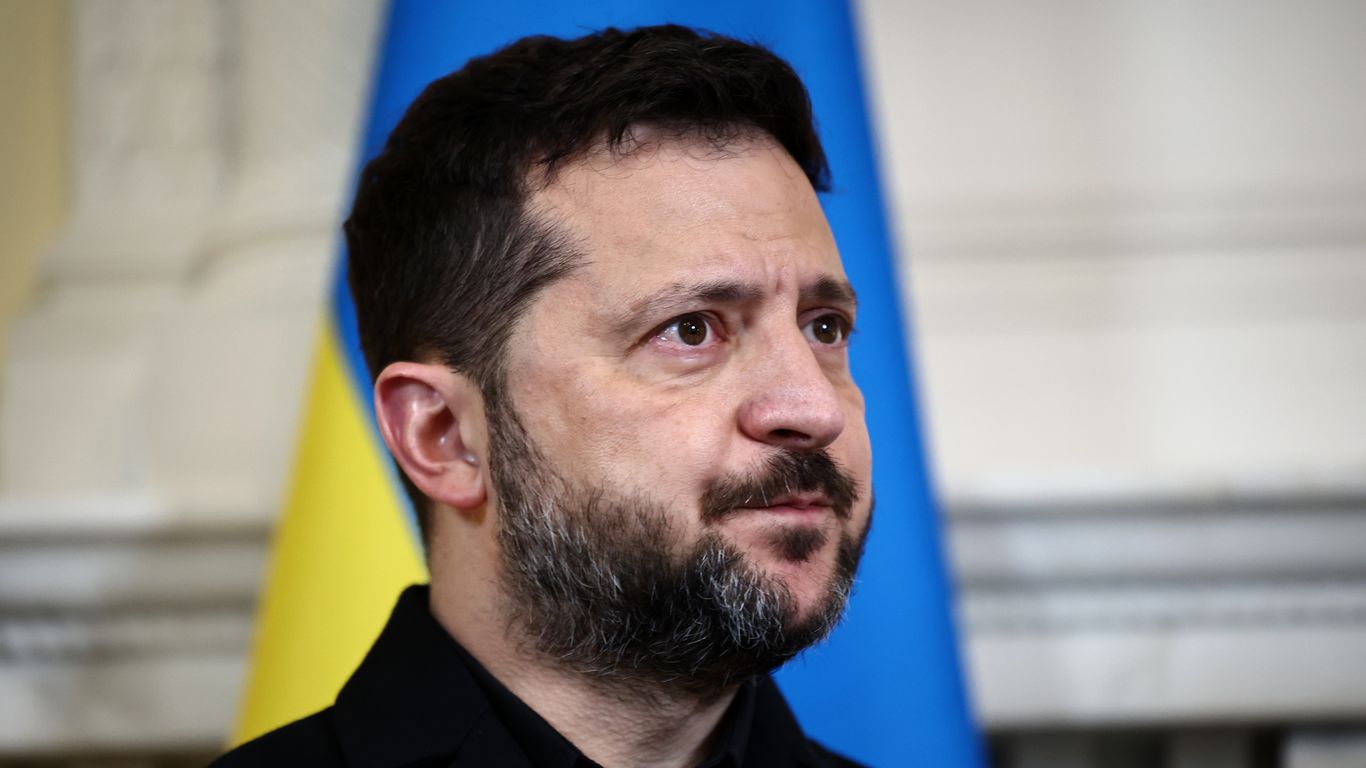
Image via Axios
Starlink restored for Ukraine: a reminder that war now has a platform risk
Ukraine struck a Russian refinery as satellite connectivity drama took center stage: Starlink and Starshield service, reportedly throttled earlier this week, has been restored. For Ukraine, these networks are not a convenience. They’re command-and-control.
The bigger point for markets is that modern conflict is now dependent on privately controlled infrastructure. That introduces a new category of geopolitical tail risk: platform availability risk. It can change battlefield tempo quickly, which feeds straight into energy risk premiums, European industrial sentiment, and defense procurement cycles.
Restoration reduces near-term uncertainty, but the episode reinforces that communications and space assets are strategic chokepoints. Expect more government pressure for redundancy, more spending on sovereign alternatives, and more scrutiny on any single-company leverage over a national security theater.
📈 Fred's Take: When a war depends on a commercial network, you’ve effectively privatized a piece of deterrence. That means headline risk for the company, contract risk, and eventually regulation risk — but also a long runway for resilient comms, encrypted networking, and space-based defense demand. Investors should price this as a structural bid for defense-tech, not a one-off drama.
📎 Axios
Trump rallies Montana: GOP shifts tactics, markets should watch the Senate math, not the speeches
Trump is rallying in Montana as the GOP adjusts its late-cycle strategy heading into Election Day. The story here isn’t the crowd size or the soundbites. It’s where the party is spending time and attention, which is basically a map of what they think is close.
For investors, the actionable piece is the probability of a divided Washington versus unified control. That single variable drives the odds of tax changes, regulatory posture, defense and border funding, and the intensity of antitrust enforcement. A shift toward battleground allocation implies the party sees specific seats as winnable — and the Senate is the throttle on confirmations and fiscal deals.
Markets like gridlock until they don’t. Gridlock caps legislative risk, but it can also delay funding bills, complicate debt-ceiling style deadlines, and keep agencies running on uncertainty — which hits contractors and rate-sensitive sentiment.
📈 Fred's Take: Don’t trade the rallies; trade the likely governing setup. If the path tilts toward split control, you fade big legislative swings but keep a premium on shutdown and deadline volatility. The cleanest positioning is barbell: defense and infrastructure-adjacent cash flows on one side, and tight hedges on broad indices as election-week liquidity thins.
That’s the board. Keep risk sized, keep hedges honest, and don’t let a headline pick your entry.
— Fred Frost
