Today’s Sponsor
2026 is shaping up to be a breakout year for space investors. Record launches, falling costs, and explosive technologies like satellite constellations and orbital AI are turning space into a real, revenue-generating industry — and the window to get positioned early is right now.
MarketBeat's free report, The 7 Best Space Stocks to Own in 2026, profiles seven companies across launch, satellites, communications, defense, and in-space infrastructure — covering what they do, how they make money, and the key catalysts to watch. Plus, get insight on the potential SpaceX/Starlink IPO impact and where the best risk-reward opportunities lie.
Get Your Free Space Stocks ReportBy clicking the button above, you will receive this free report and a free subscription to MarketBeat's daily email newsletter. You are also agreeing to the terms of our privacy policy. Unsubscribe at any time.

Monday tape: Iran gets the Treasury treatment, yields dare you to buy duration, Alibaba prints equity at a discount, DC talks Medicare fraud, and Nvidia risk sits on the whole index.
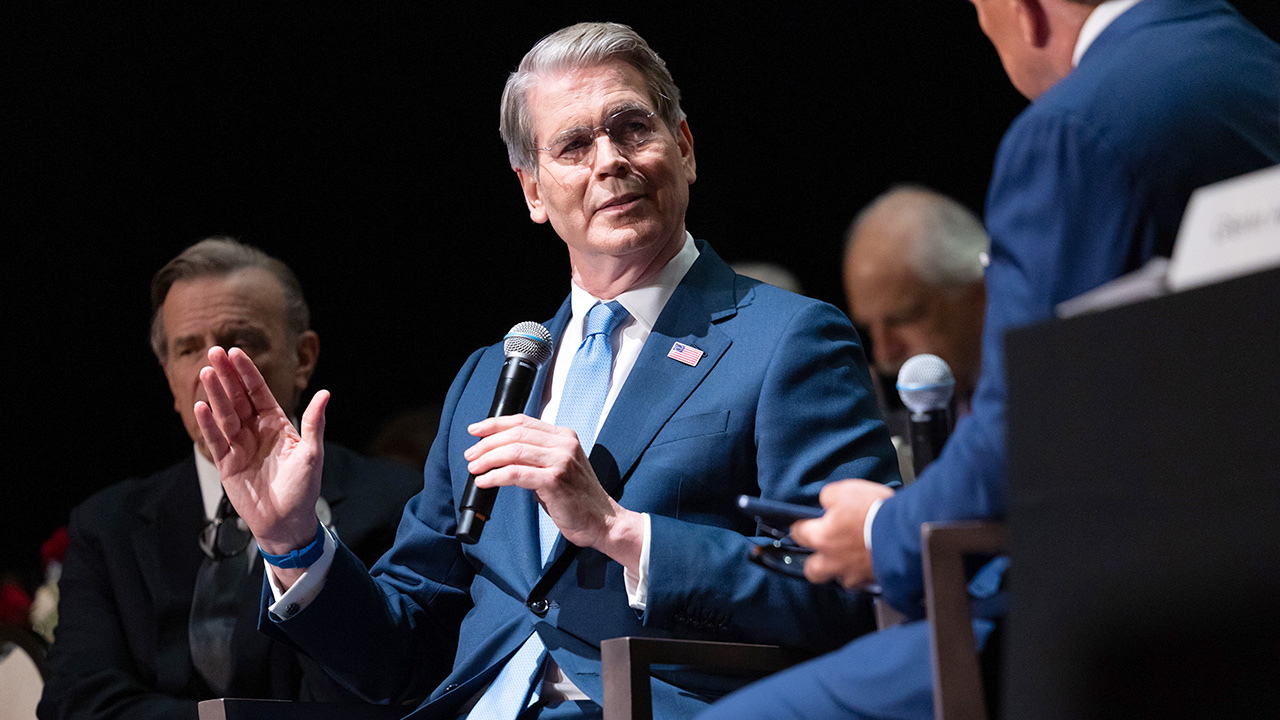
Image via Fox Business
Washington Calls It "Economic D-Day" For Iran — And Everyone With Exposure Just Got A New Risk Premium
Treasury is telegraphing a squeeze on Iran’s financial lifelines, with foreign banks, shippers, insurers, and energy counterparties in the blast radius.
Tehran is signaling retaliation, which is code for asymmetric disruption risk that shows up first in freight, insurance costs, and crude volatility.
📈 Fred's Take: This is a volatility bid for oil and a quiet tax on global trade finance. If you’re long cyclicals, you’re now implicitly long geopolitical calm — hedge with energy exposure or keep duration dry for the inevitable risk-off impulse.
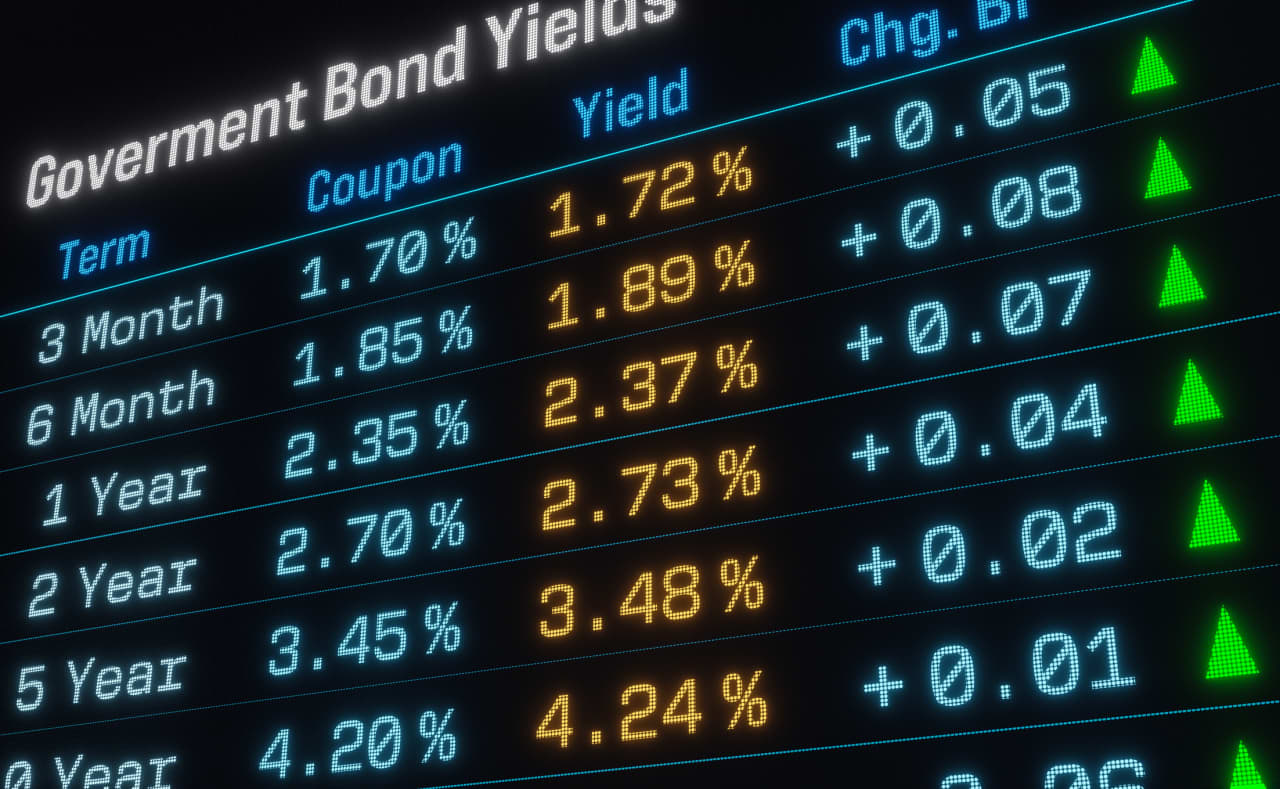
Image via MarketWatch
Yields Are High. Bonds Might Still Be Expensive.
Strategists are split: one camp says today’s yields finally compensate you for policy risk; the other says the market is still underpricing the path of average Fed policy over the next decade.
The key is term premium — you’re not just buying a yield, you’re selling volatility on inflation, deficits, and the next recession timing.
📈 Fred's Take: If you need ballast, buy the front end and earn carry without marrying 10-year forecasting errors. For real duration, wait for either a growth scare or a clean break lower in inflation expectations — don’t pay up for “maybe the Fed cuts.”
Alibaba Sells $10.2B Of "AI" Stock At A Discount — That’s Not A Bull Signal
Alibaba’s shares slid after a large AI-linked share sale was priced at a sharp discount, a classic sign the marginal buyer demanded a deal.
Big discounted issuance is a message: management wants cash more than it wants scarcity, and the market is forcing the price.
📈 Fred's Take: This is dilution and sentiment leakage for China tech, not an AI victory lap. When leaders print equity at a discount, you fade the pop, tighten risk, and look for better entries after the supply clears.
📎 Reuters

Image via The Hill
Medicare Fraud Gets The Spotlight — Markets Should Care More Than They Do
A push is forming to hard-code recent Medicare fraud enforcement gains into statute, aimed at making the crackdown harder for a future administration to unwind.
If Congress actually tightens the plumbing, it changes the revenue durability for the gray-area parts of healthcare services and some MA-adjacent ecosystems.
📈 Fred's Take: This is headline risk for anyone monetizing billing complexity. Clean operators win multiple expansion; sketchy growth stories lose it — and the market always finds out late, after the subpoenas.
📎 The Hill
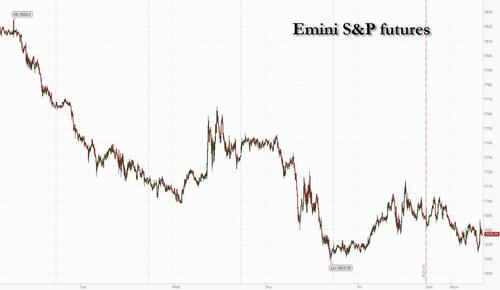
Image via ZeroHedge
Futures Red, Nvidia Looms, Warsh Mic Drop Risk — Classic Pivotal Week Setup
Index futures are leaning lower with tech under pressure as the market pins its week on Nvidia earnings and forward guidance.
Add a Warsh speech to the mix and you’ve got the usual rate-voltage problem: one hawkish soundbite and long duration tech re-prices in minutes.
📈 Fred's Take: This is not a week to be cute with leverage in mega-cap beta. If you’re long AI, own it intentionally and hedge index downside — because the same trade that levitates on upside guidance gaps down twice as hard when expectations are crowded.
Image via RealClearMarkets
Midterm Year Tailwind? Maybe. Don’t Overtrade The Calendar.
The argument: even with recent volatility, the market is tracking better than the average midterm-year path, suggesting the “political year” pattern may still be a tailwind.
But the calendar doesn’t set prices — liquidity, earnings revisions, and rate expectations do.
📈 Fred's Take: Seasonality is a tiebreaker, not a thesis. Use it to manage timing, not direction: buy fear into liquidity windows, sell complacency into event risk, and keep your eyes on rates because that’s what’s actually steering the index.
Trade the tape you have, not the one you want. — Fred
— Fred Frost
