Today’s Sponsor
September is packed with catalysts — earnings, FDA decisions, AI breakthroughs, commodity moves — and for small-cap investors, a single one can change everything. RushTheStreet tracks AI disruptors, biotech companies nearing major inflection points, gold & silver explorers, and emerging small caps the mainstream market is still sleeping on.
No crowded mega-cap watchlists. No waiting for the headlines. Just high-potential opportunities before they become impossible to ignore. September has 30 days. The next market mover only needs one of them.
Join RushTheStreet FreeBy clicking the link above, you agree to receive emails from rushthestreet.com. You can opt out at any time. — Privacy Policy

Monday, September 21, 2026. Politics hits portfolios first. Here’s what matters before the open.

Image via MarketWatch
RECORD DIESEL IS THE SNEAKY INFLATION REBOOT
Diesel is the economy’s bloodstream: freight, farming, construction, and every last “we’ll eat it in margin” supply chain promise. With diesel at record levels, the risk is sticky goods inflation that refuses to roll over even if headline CPI looks “fine” for a month.
Markets will try to treat this like a one-off energy spike. It isn’t, because diesel transmits directly into delivered prices and forces companies to either raise prices or miss numbers.
📈 Fred's Take: High diesel keeps the Fed boxed in: higher-for-longer rates and a second wave of margin pressure. That’s bad for small caps, transports, and consumer discretionary; it’s a tailwind for energy cash flows and anything with real pricing power.
IRAN THREATENS PAINFUL ATTACKS; TRUMP SIGNALS ESCALATION
Tehran is warning of sustained attacks on U.S. bases and interests across the region if Washington hits Iran again, while Trump is publicly hinting at “very big things” coming. That’s the recipe for miscalculation: rhetoric, red lines, and faster decision cycles.
This is how you get an overnight oil gap, higher insurance and shipping costs, and a volatility bid that doesn’t wait for confirmation.
📈 Fred's Take: Treat this as an energy risk premium and a rates story: crude up, breakevens up, long-end yields up unless growth fear overwhelms it. Gold benefits first, defensives second, and anything dependent on cheap transport gets repriced fast.

Image via The Hill
XI COMES SELLING “ACCESS” — DON’T BUY IT CHEAP
The pitch will be cooperation, market access, and “stability,” with Xi meeting America’s dealmaker-in-chief. The trap is asymmetric openness: U.S. capital and consumer access flowing in, while U.S. firms still face shifting rules, data limits, and political enforcement.
Every time Washington advertises a “breakthrough,” markets chase the sugar high and then relearn the same lesson on enforcement day.
📈 Fred's Take: Any rally off a summit headline is tradable, not investable, until you see verification, timelines, and penalties. Favor domestic reshoring winners, defense-adjacent industrials, and select semis; be careful with China-exposed cyclicals that live and die on tariff mood swings.
📎 The Hill
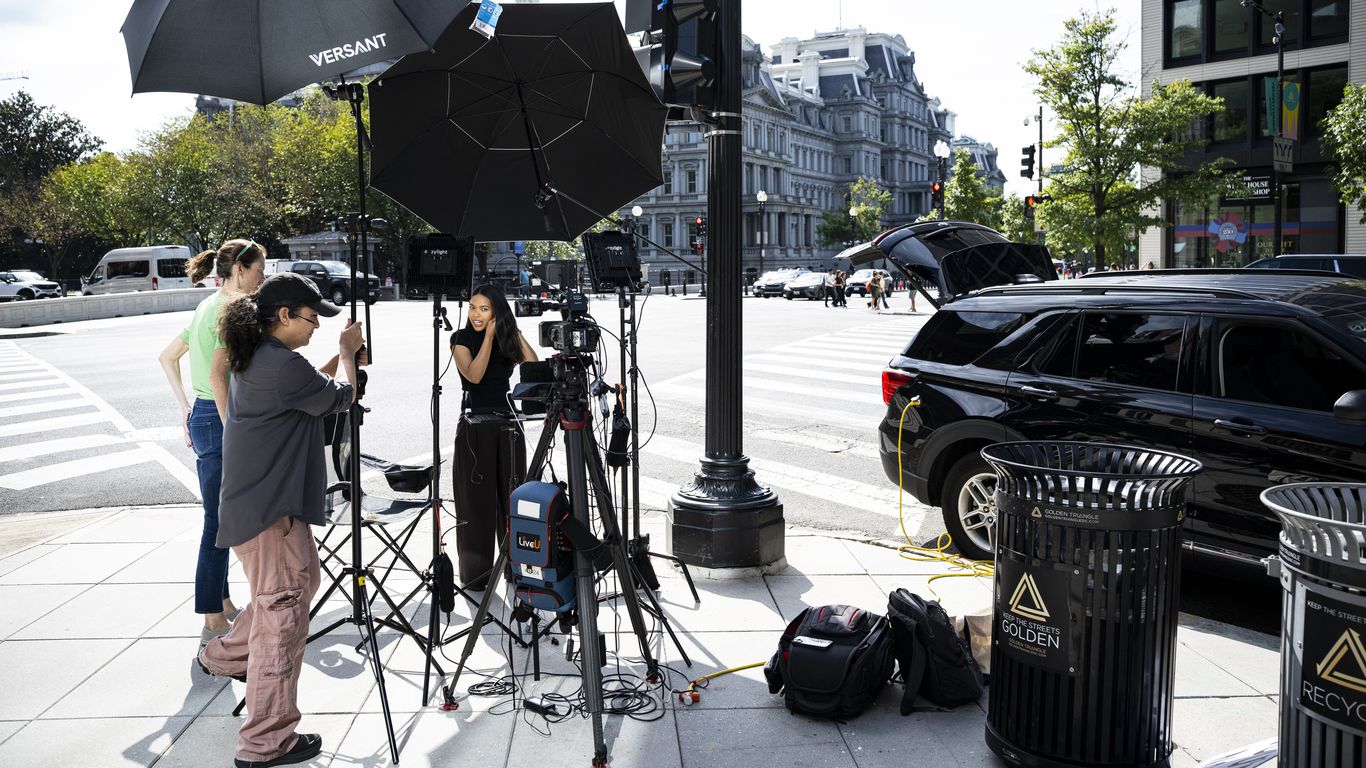
Image via Axios
WHITE HOUSE PRESS BAN HEADS TO COURT — AND INTO MARKETS
CNN, MS NOW, and Politico say they’ll sue the White House over blocked access, framing it as a First Amendment violation. This is political oxygen: it will dominate headlines, harden partisan lines, and pull attention away from fiscal math and actual policy execution.
The market angle is simple: institutions hate process risk. Anything that adds uncertainty to decision-making raises the discount rate on forward earnings.
📈 Fred's Take: This is noise until it metastasizes into broader governance fights that stall budgets, appointments, or emergency authorizations. If it does, expect higher volatility, a stronger dollar on risk-off days, and a premium for companies with low Washington dependency.
📎 Axios

Image via Washington Examiner
AI NEAR-MISS WAR STORY IS A WARNING FOR EVERY RISK MODEL
A report argues an AI glitch nearly triggered a military escalation, and warns next time the system may not get caught in time. Whether or not the specific episode is overhyped, the direction is real: shorter OODA loops, more automation, and more brittle decision chains.
That’s not just a security problem. It’s a markets problem because it increases tail-risk frequency, not just tail-risk magnitude.
📈 Fred's Take: Defense cyber, comms redundancy, and verification tooling are structural winners; “move fast and break things” AI vendors get a higher regulatory and liability discount rate. You don’t need a war to reprice this — you just need one credible near-miss.
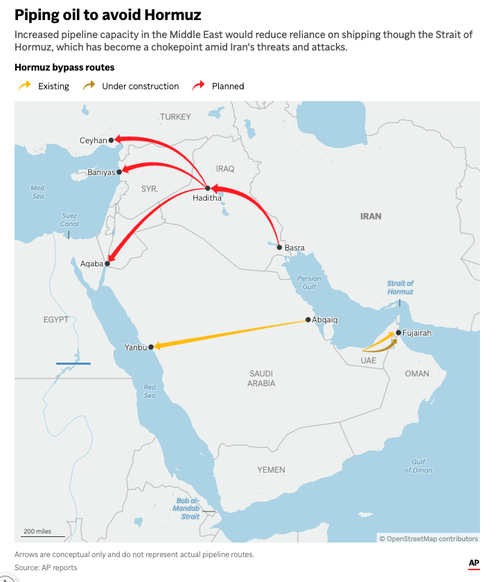
Image via ZeroHedge
QATAR SLAMS “WORTHLESS” HORMUZ TALK — ENERGY REALITY BITES
Qatar’s energy minister is publicly rejecting U.S. Treasury claims around Hormuz risk, calling them completely wrong. Translation: the producers and shippers closest to the chokepoint are signaling that political talking points don’t match operational reality.
When Hormuz risk gets politicized, markets overreact, then underreact, then get surprised. The only consistent edge is respecting the plumbing: flows, insurance, and spare capacity.
📈 Fred's Take: Don’t fade chokepoint risk because a politician says it’s fine, and don’t chase it blindly because a headline screams “crisis.” Own quality energy exposure as portfolio insurance, keep duration light when oil risk is rising, and be selective in airlines, chemicals, and anything freight-sensitive.
That’s the tape: diesel is inflation, Iran is risk premium, China is enforcement, the press fight is process risk, AI is tail risk, Hormuz is plumbing. Trade what’s real, hedge what’s plausible.
— Fred Frost
