Today’s Sponsor
That "Trump Bump" Social Security raise? Already gone. Medicare premiums, gas, groceries — they've swallowed every penny before it hits your account. Meanwhile, your benefits have already lost 13.7% of their purchasing power since 2016, and the system would need to raise checks by 15.7% just to break even. You're getting $81. You needed $296.
Central banks have been quietly buying one specific asset at the fastest pace in 50 years — and JP Morgan now sees it hitting $8,000. Smart retirees aren't waiting on the next COLA. They're protecting what's left right now. Get the free guide and see the 3 steps disciplined retirees are using to outrun the inflation Washington can't stop.
Get the Free Wealth Preservation GuideThis is an advertisement from First Ballot. If you no longer wish to receive First Ballot promotionals, please let us know. Or write to: 5005 Lyndon B. Johnson Fwy. Suite 350, Dallas, TX 75244

Politics moved fast overnight. So did the market implications: fuel costs, semiconductor capex credibility, Europe’s security premium, consumer confidence messaging, and the Middle East risk bid.

Image via Fox Business
White House Goes for Diesel Relief: A Saturday Test for the Tape
Trump’s Energy Secretary Chris Wright says truckers could see diesel relief “by Saturday” after an executive order expanding access to red-dyed diesel. The point is speed: get pump prices down now, not six months from now.
This is a targeted move at the highest-visibility input cost in the real economy. If the market believes it actually lowers delivered diesel costs, you’ll see it show up first in trucking sentiment, then in freight quotes, then in CPI components that Wall Street still pretends are “transitory” until they aren’t.
The catch: red-dyed diesel is a tax and compliance story as much as it’s an energy story. If enforcement, eligibility, or distribution bottlenecks blunt the impact, the relief will be more headline than hard data—and the bond market will sniff that out faster than cable news will.
📈 Fred's Take: This is politically smart because diesel is a daily pain point and a clean narrative: “we acted.” If it works even modestly, it’s a near-term disinflation pulse and a small tailwind for transports and anything freight-sensitive. But don’t confuse a tactical fuel-price hack with a structural inflation win—rates trade the trend, not the press release.
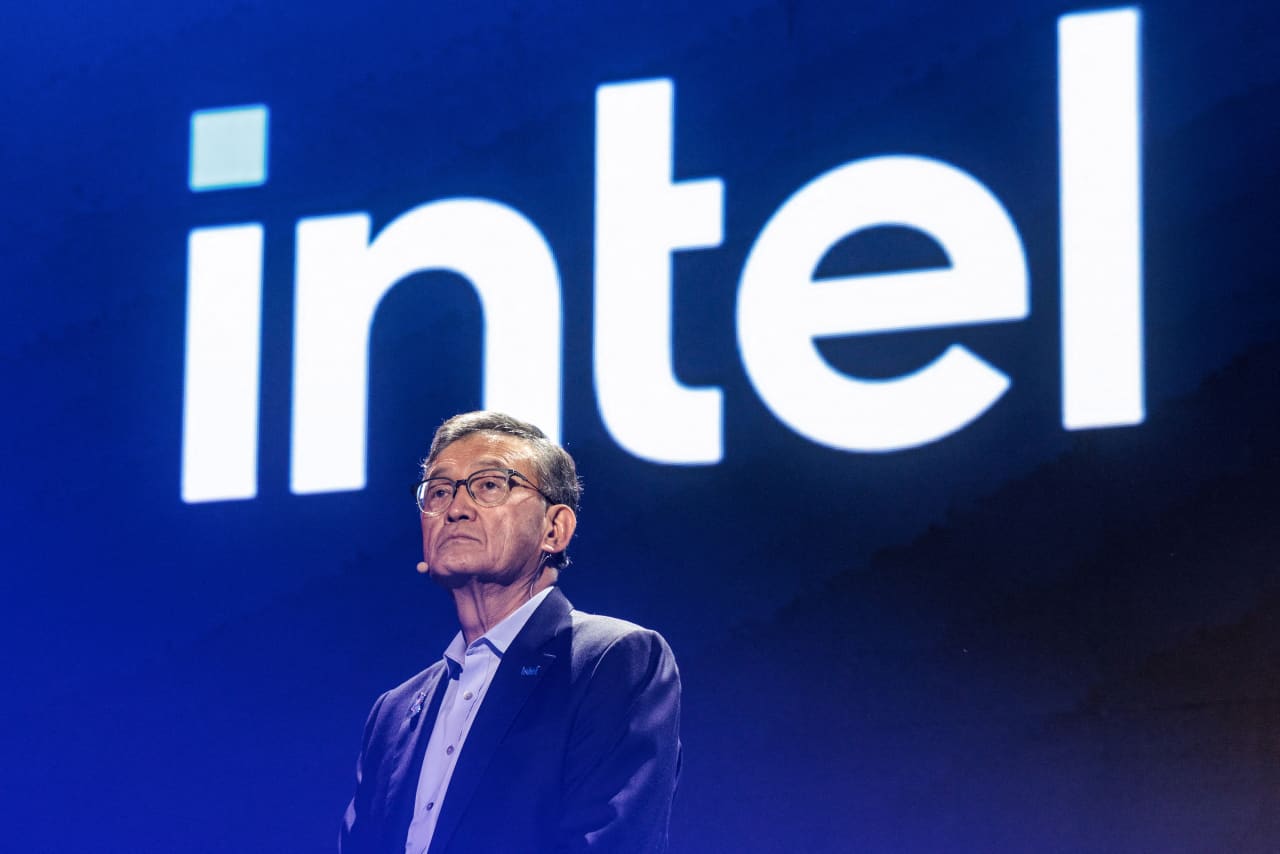
Image via MarketWatch
Intel Gets a Musk Seal of Approval: Stock Pops, Skepticism Shouldn’t
Intel investors got a morale boost after Elon Musk and Intel’s CEO signaled Intel’s role in the Terafab chip plant will continue. The stock moved the way it usually does when you slap a high-octane brand name on a capital-heavy story: up first, questions later.
This is about confidence as much as contracts. Intel is still trying to prove it can execute on leading-edge manufacturing while funding a brutal capex cycle, navigating geopolitics, and fending off share losses. Musk’s public reassurance helps with perception, counterparties, and maybe Washington—three things Intel needs almost as much as it needs better yields.
But perception doesn’t print wafers. The market will eventually demand boring metrics: timelines hit, yields improve, and free cash flow stops bleeding. Until then, every “we’re still in” headline is a trade, not a thesis.
📈 Fred's Take: Musk talking is not due diligence, but it can tighten the risk premium in the short run. If you’re trading it, treat this like an options-driven sentiment lever: good for a squeeze, fragile on execution headlines. If you’re investing it, you’re still underwriting a multi-year manufacturing turnaround in a world that punishes missed node schedules like a bankruptcy event.
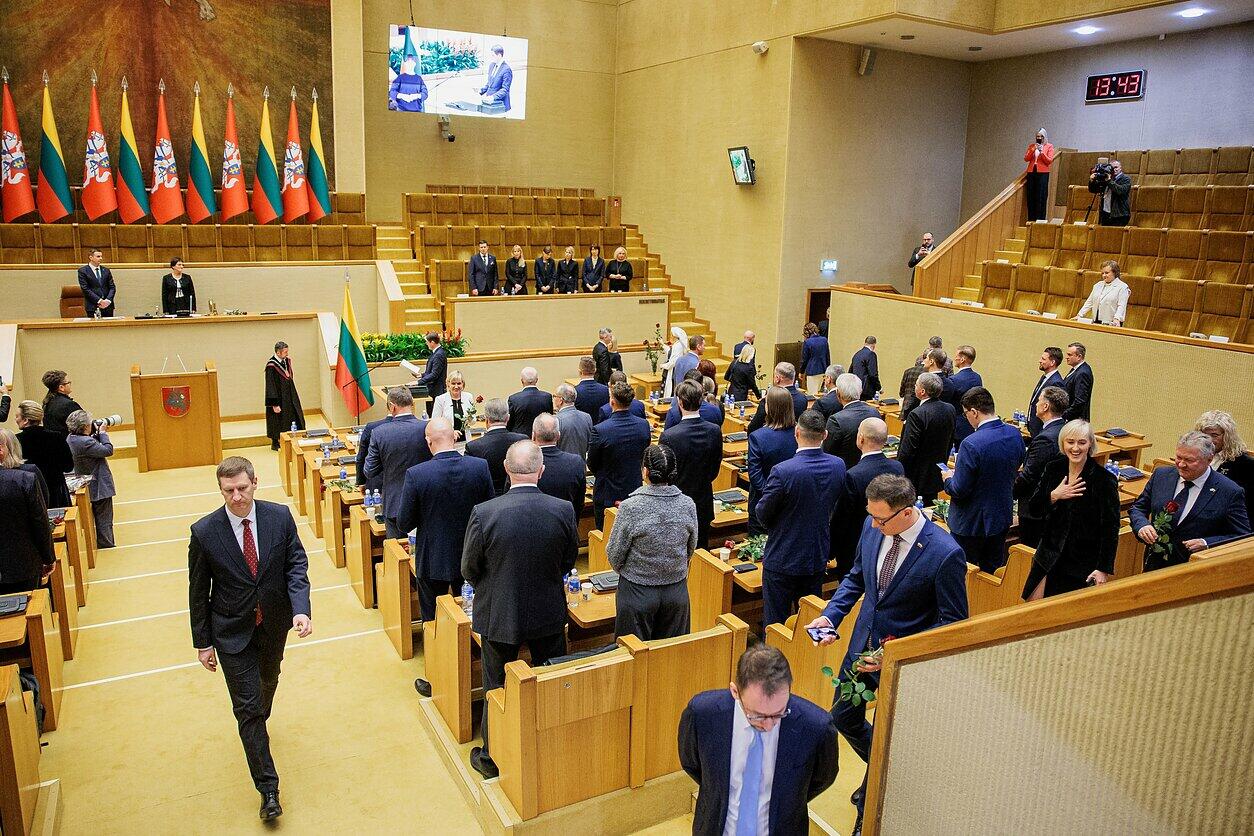
Image via ZeroHedge
Lithuania Moves to Unban Nukes: Europe’s Security Premium Isn’t Going Away
Lithuania’s parliament advanced a measure to reverse its nuclear weapons ban. That’s not a niche constitutional tweak—it’s a signal that the Baltic flank is re-pricing deterrence as a permanent feature, not a temporary phase.
Markets tend to treat European security risk as a headline trade until it hardens into budget lines: defense spend, basing agreements, procurement cycles, energy infrastructure, and cross-border logistics. This vote is a reminder that the region’s policy trajectory is toward more militarization and tighter alignment with nuclear-capable allies.
The immediate market impact is subtle but real: higher long-run defense capex assumptions across Europe, a persistent geopolitical bid under energy and industrial supply chains, and a reason global allocators keep demanding extra yield to hold “business-as-usual” Europe exposure.
📈 Fred's Take: This is another brick in the wall of structurally higher defense spending and structurally higher geopolitical risk premia. The trade is not “buy panic”; it’s “own the cash-flow beneficiaries”: defense primes, cybersecurity, select industrials, and energy resilience plays. And yes—this kind of shift quietly supports gold when investors remember that “tail risk” is now just “risk.”
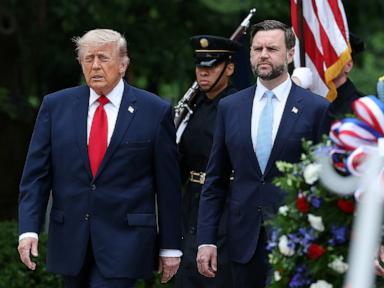
Image via ABC News
Trump Says ‘Strong Economy,’ Vance Says ‘People Are Hurting’: Watch the Pivot
Trump is touting his economic record, while Vice President Vance is acknowledging that Americans still feel squeezed. That split-screen matters: it’s the early shape of a messaging pivot toward cost-of-living, even if the administration keeps pointing at top-line GDP and market highs.
When politicians start validating consumer frustration, it usually precedes policy aimed at the stuff voters notice: energy, food, rents, healthcare, and credit costs. Translation for markets: more pressure on agencies to “do something,” more rhetorical heat on pricing power, and a higher chance of targeted relief that distorts micro signals while leaving the macro problem intact.
The bond market doesn’t care about vibes; it cares about spending, deficits, and whether wage and services inflation cools without a recession. A White House that talks like households are struggling is a White House that’s more likely to lean on fiscal levers—especially into election-adjacent cycles.
📈 Fred's Take: This is the tell: they’re preparing the runway for populist micro-policy while claiming macro victory. That mix usually means stickier deficits and more political risk around pricing, regulation, and “corporate blame.” Position accordingly: don’t fade quality cash flows, keep duration exposure disciplined, and respect that fiscal messaging often precedes fiscal action.
📎 ABC News

Image via NTD
Oct. 7 at Year Three: The Risk Bid Stays Embedded
Israelis marked the third anniversary of the Oct. 7 attack with memorials and national reflection. The human reality is devastating—and in markets, anniversaries matter because they refocus attention on unresolved conflicts, security posture, and the probability of escalation.
Geopolitical risk doesn’t hit every asset every day, but it sits in the background like a permanent option premium. When the region is tense, energy traders widen their distribution of outcomes, insurers reprice risk, defense demand stays firm, and safe-haven flows show up in gold and the dollar at the first sign of a new flare-up.
If you’re looking for clean “event trades” around commemorations, you’re usually late. The more durable market implication is that the Middle East remains a volatility source that can turn a normal macro week into an inflation week fast—through crude, shipping, and risk appetite.
📈 Fred's Take: The market is underpricing how quickly a localized security shock can become a global inflation impulse via energy and logistics. I’m not chasing fear, but I’m also not running portfolios as if 2019 geopolitics are coming back. Keep a real hedge: some gold, some energy exposure you actually understand, and don’t over-lever long duration when the world keeps handing you supply-side shocks.
📎 NTD
That’s the morning setup. Trade the data, respect the politics, and never let a headline bully your risk limits. Fred
— Fred Frost

