Today’s Sponsor
Gold just surged past $4,150/oz — and Goldman Sachs sees it hitting $5,400 by end of 2026, with J.P. Morgan targeting $6,000. Central banks are buying at historic levels, rate cut expectations are rising, and momentum is building fast. The window to get positioned may be closing.
When gold runs, quality miners can run harder — and we've identified 4 gold stocks with serious leverage to higher prices. Get our free report now before the next leg up.
Get the Free Report — 4 Gold Stocks to Watch NowBy clicking the link above, you agree to receive future email alerts from us and partner subscriptions. You can opt out at any time. Privacy Policy

Tuesday, July 21, 2026. Five moves out of Washington and the real economy that hit the tape. Here’s what actually matters for your P&L before the open.
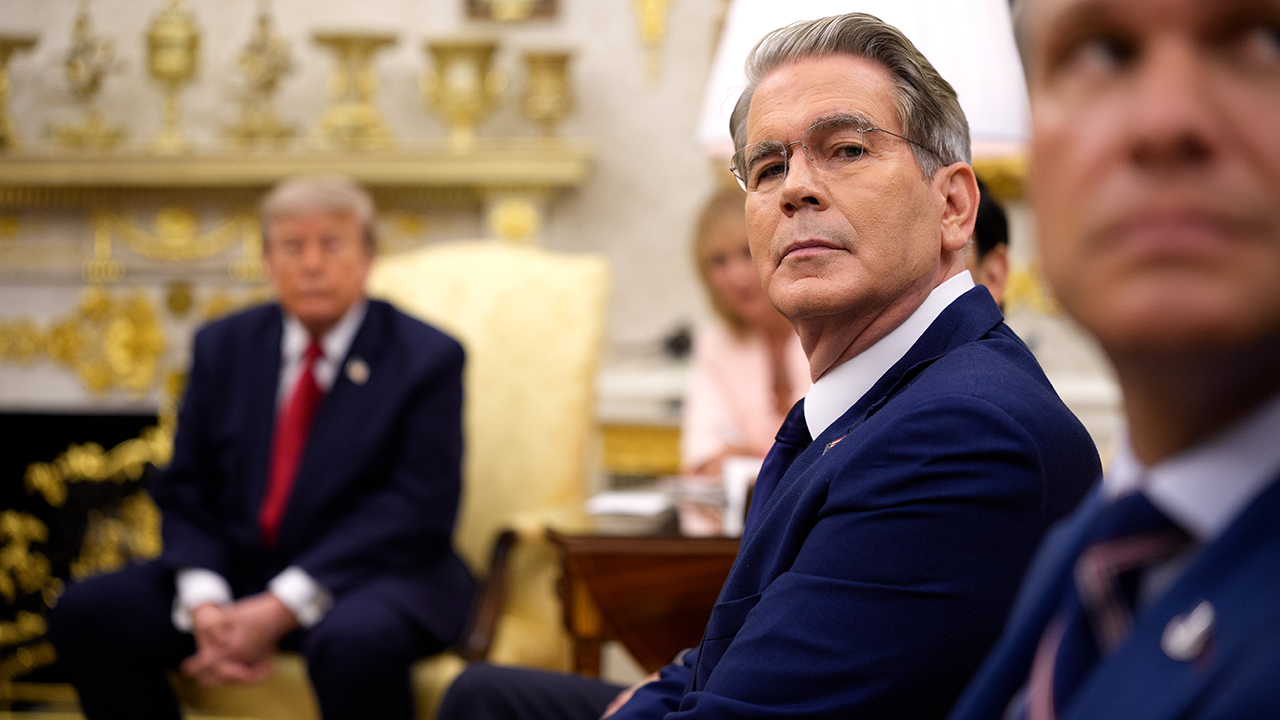
Image via Fox Business
Treasury Finally Turns On the Dead-People Payment Firewall
Treasury says its new fraud verification system just screened 885 million federal transactions totaling $2.77 trillion and intercepted nearly $99 million headed to deceased individuals. Over 4,900 improper payments got caught before cash left the building.
This is the unsexy side of fiscal policy that markets still price. If you can reduce leakage without cutting benefits, you ease the political pressure for bigger deficits and emergency “relief” add-ons. It also signals the administration wants measurable fraud wins it can sell without touching entitlement formulas.
Watch the vendor ecosystem around identity, verification, and payment rails. Every time Treasury proves it can block fraud at scale, you get more budget for automation and more mandates for state programs to plug in.
📈 Fred's Take: This is one of the few “government efficiency” headlines that can actually compound. Not because $99 million moves the deficit needle, but because it sets precedent for tighter controls across benefits, procurement, and disaster aid where the real leak is. If this expands, it’s mildly bullish for long-end rates at the margin and bullish for compliance, ID-tech, and payments infrastructure names that sell to government.
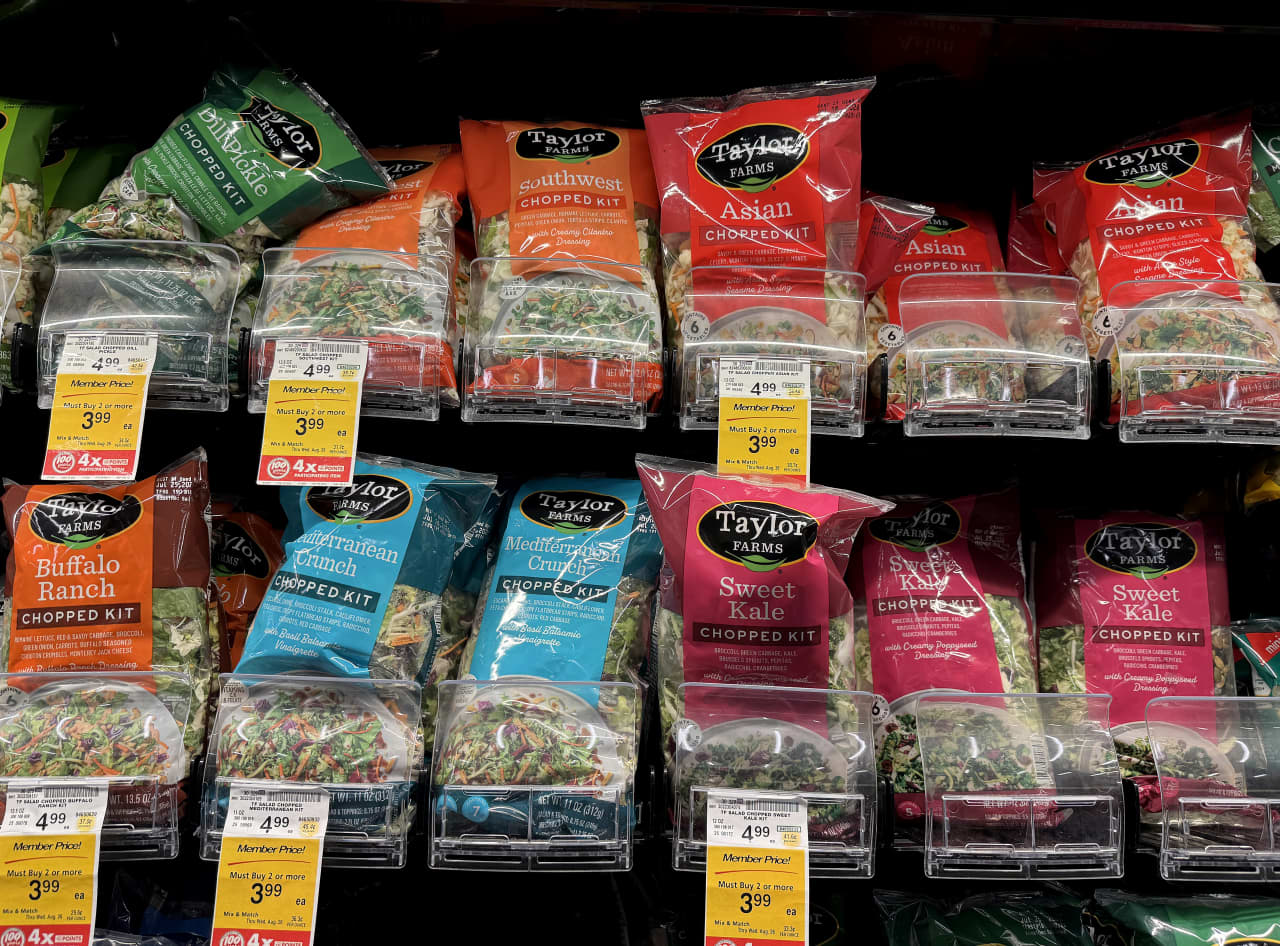
Image via MarketWatch
Cyclospora Scare Hits the Salad Trade Where It Hurts: Traffic
Americans are backing away from lettuce and salads as the cyclospora investigation drags on. That’s showing up in sentiment around salad-forward chains and any brand that markets “fresh” as the core value prop.
MarketWatch flags pressure in names like Cava, Chipotle, and Sweetgreen. The short-term problem isn’t just one ingredient; it’s the confidence shock. When consumers get spooked, they don’t surgically avoid one SKU—they change the order, skip the category, or eat at home.
Food safety events usually follow the same tape: initial selloff, management reassurance, then a slow grind back as comps stabilize. The bigger risk is if the supply chain gets forced into costly sourcing shifts that compress restaurant margins right when wage and rent pressures are already sticky.
📈 Fred's Take: This is a demand headline disguised as a health headline. If you’re long the category, don’t argue science with the market—watch weekly traffic and promo intensity. Best case is a quick fade and a tradable dip; worst case is a margin squeeze as brands buy back trust with discounts and “safer” sourcing that costs real money.
Trump Drops a 50 Percent Tariff Hammer on Canada and Dares Anyone to Blink
Trump imposed a 50 percent tariff on a variety of Canadian goods, framing it as retaliation for “discrimination” against American autos. The list is broad and politically loud—alcohol, dairy, hockey sticks, and more—designed to create immediate headlines and force Ottawa to the table.
Markets will treat this as a trade-policy volatility event first and an inflation event second. Canada isn’t China in scale, but a 50 percent duty is not symbolic. It invites retaliation, complicates North American supply chains, and adds friction to anything that crosses the border with thin margins.
The near-term winners are domestic substitutes that can raise price quietly. The near-term losers are retailers and distributors caught with inventory cycles, plus any manufacturer relying on Canadian inputs who now has to eat cost or re-source fast.
📈 Fred's Take: Tariffs are taxes, and this one is set at “break the glass” levels. The trade is to expect knee-jerk inflation chatter, a bid for defensives, and a hit to cross-border discretionary names. If this escalates into tit-for-tat, it’s another reason the Fed stays cautious and another reason multiples don’t deserve to expand.
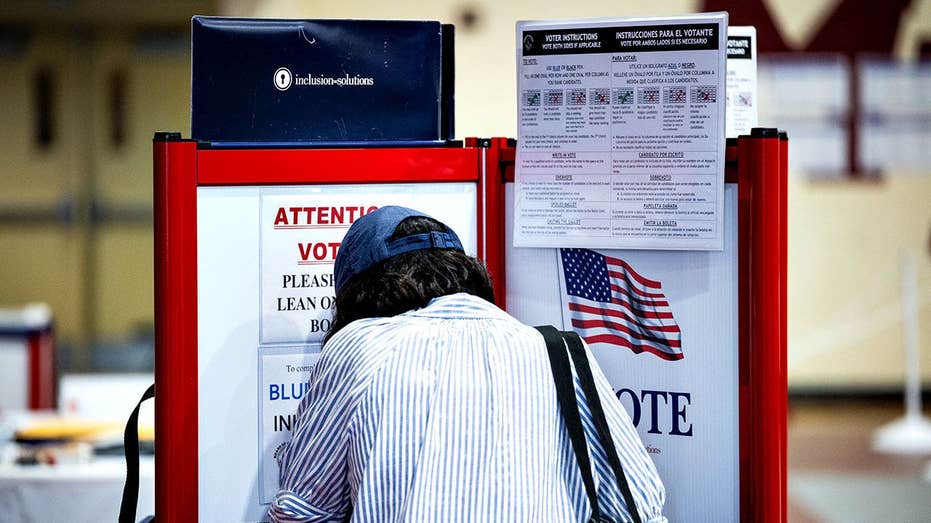
Image via Fox News
Voters Say They’re Hurting; Markets Hear: Policy Risk Rising Into Midterms
Fox News power rankings show a majority disapproving of Trump’s handling of the economy, with healthcare and housing topping the list of cost pain. That’s the tell: voters aren’t debating GDP prints, they’re paying bills and blaming whoever’s in charge.
For markets, midterm setup matters because it changes the probability tree for taxes, spending, regulation, and debt-ceiling theater. If economic approval keeps sliding, expect more reactive policy: targeted relief, price policing, drug-cost headlines, and housing “action” that looks good on TV.
Healthcare and housing being front and center is not neutral. It points straight at insurers, PBMs, hospitals, REITs, homebuilders, and the mortgage complex—any sector that can be painted as “profiting from pain” becomes a convenient campaign prop.
📈 Fred's Take: This is the early warning for populist policy risk. When housing and healthcare dominate the grievance list, you get more intervention talk and less appetite for austerity, which means higher odds of fiscal noise and regulatory headlines. Trade accordingly: keep your duration exposure disciplined and don’t pay premium multiples for sectors sitting in the political crosshairs.
📎 Fox News

Image via The Hill
Trump Hosts Lebanon as Iran Tensions Climb: Oil and Risk Premium Back on the Menu
Trump meets Lebanese President Joseph Aoun today, the first Lebanese head of state to visit the White House since 2009, with the Iran conflict escalating in the background. The meeting is diplomacy, but the market reads it as positioning: who’s being backed, who’s being warned, and what the next move looks like.
Lebanon sits on a fault line where miscalculation travels fast—through proxies, shipping lanes, and energy markets. Even without a direct supply shock, geopolitical escalation re-prices risk: crude volatility picks up, defense gets bid, and global equities lose some multiple as investors demand a higher premium.
If the administration signals tougher posture, watch for a reflexive move in oil, gold, and the dollar. If it signals de-escalation or containment, you’ll see a risk-on bounce—but it will be fragile because the underlying conflict dynamic hasn’t been “solved,” just delayed.
📈 Fred's Take: Geopolitics hits portfolios through energy first and confidence second. I’m watching oil vol and shipping insurance costs more than speeches, because that’s where real-world stress shows up before CPI prints do. If tensions keep climbing, gold and quality energy cash flows stay supported, and high-multiple growth gets less forgiveness.
📎 The Hill
That’s the board. Keep it tight: respect the tape, price the policy, and don’t let headlines steal your risk limits.
— Fred Frost
