Today’s Sponsor
As copper breaks records, smart money is moving fast — and one under-the-radar Canadian copper stock, still trading below $2, is sitting on a historic Yukon copper belt being explored as a unified system for the very first time. High-grade results are confirmed, multiple rigs are already turning, and the company is fully funded through 2027 for its biggest drill campaign yet.
We've put together a FREE report covering the high-grade results, the district-scale opportunity, and where the 2026–27 drill program goes next — including an exclusive CEO interview. Drill results are coming. Get the full story now, before the next catalyst hits.
Get the Free Report NowBy clicking the link above, you are opting in to receive emails from Resource Stock Digest. You are also agreeing to the terms of our privacy policy. Unsubscribe at any time.

Wednesday, October 28, 2026. Five stories you can trade: Midwest politics meets rates reality, UN theater, election-system cyber risk, UPS margin math, and the clean way to play ag without getting your face ripped off.

Image via Politico
Midwest Dems Get One More Shot At Trump Country
From western Wisconsin into southern Minnesota and over to eastern Iowa, the vibe is the same: farm-adjacent towns, small manufacturers, and main streets getting squeezed by sticky prices, high borrowing costs, and slow wage catch-up. Politico frames it as Democrats needing a do-or-die cycle to claw back Trump districts before 2028, and the subtext is clear: if pain doesn’t convert into votes soon, it may never.
The market angle is not red versus blue. It’s policy durability. If these districts stay Trump-aligned, you’re looking at a longer runway for tariff-first, border-first, and industrial policy that favors domestic capex but raises input costs and keeps inflation risk bid. If Democrats somehow flip the blame onto Washington and regain ground, the next two years start to price in more regulatory push, a higher probability of targeted tax moves, and less tolerance for aggressive trade policy.
📈 Fred's Take: Watch the Midwest because it’s the tell on policy risk premium. If the pain doesn’t break Trump’s coalition here, markets should assume tariffs and fiscal push stay politically saleable, which keeps long-end inflation risk alive and caps how far rates can fall. Translation: don’t build a portfolio that needs a clean disinflation glide path to work.
📎 Politico
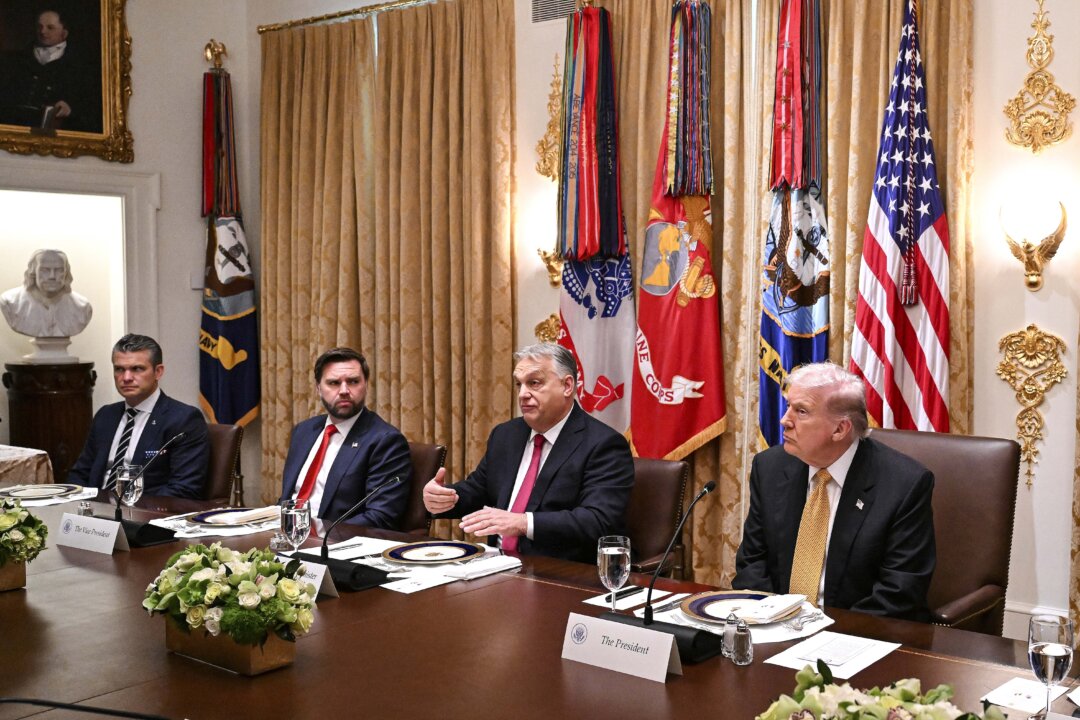
Image via ZeroHedge
White House Shrugs At Orban For UN Chief, Markets Hear: More Noise, Same Trade
The Trump administration says it has “no position” on whether Hungary’s Viktor Orban should be the next UN secretary-general, per reporting carried by ZeroHedge from The Epoch Times. That’s classic Washington non-answer: deny alignment, keep optionality, and let everyone else fight in public.
For markets, UN leadership is usually a headline event with limited cash-flow impact. But it’s a proxy for something tradeable: how confrontational the U.S. wants to be with multilateral institutions, and how willing it is to use them, ignore them, or pressure them. That feeds into FX volatility around EMs, defense spending expectations in Europe, and a steady bid under energy geopolitics risk.
📈 Fred's Take: This is theater, but it’s theater with a price tag: it reinforces the regime of louder geopolitics and weaker multilateral coordination. That supports higher structural volatility, which favors quality balance sheets, defense, and energy over long-duration “peace dividend” narratives. Don’t overtrade the UN headline; trade the volatility regime it signals.

Image via Daily Caller
FEC Taken Offline By Hackers: Cyber Risk Just Hit The Political Plumbing
Emails show hackers knocked the Federal Election Commission offline, according to the Daily Caller. The FEC isn’t the vote-counting machine, but it is part of the political plumbing: filings, compliance, communications, and the kind of data that gets weaponized when trust is already low.
The market consequence is simple: more perceived fragility in election infrastructure and governance systems drives two trades. First, a persistent bid in cybersecurity spend, especially vendors tied to federal workflows and identity/authentication. Second, a higher probability of contested outcomes and legal churn, which widens the distribution of policy paths and keeps a volatility premium in rates and equities into election windows.
📈 Fred's Take: This is bullish cyber and bullish volatility. If you’re still treating election-related cyber incidents as “one-off IT problems,” you’re missing the macro: they raise the odds of delayed decisions, stop-start policy, and risk-off bursts that punish levered balance sheets. Own the hedges before the next headline, not after.
Image via Fortune
UPS Just Printed $22.9B The Hard Way: Pricing Power And Customer Triage
UPS posted a $22.9 billion quarter, and CFO Brian Dykes credits a strategic overhaul that leans into higher-value customers as the company ramps to hire 100,000 seasonal workers for peak, per Fortune. This isn’t the old “volume solves everything” playbook. It’s yield management, network discipline, and deciding which packages you actually want.
Macro-wise, UPS is a live read on two things: consumer resilience and small-business shipping intensity. If UPS can protect margins while staffing up, the market learns that logistics pricing power is still alive and that demand quality is better than the doom crowd claims. If peak season hiring is big but yields soften, it’s a margin story first and a consumer story second.
📈 Fred's Take: The equity market should reward UPS if the mix shift sticks, because it’s a blueprint for the whole industrial complex: fewer low-margin headaches, more rational pricing. But don’t confuse one strong quarter with a straight-line trend if rates stay high and credit tightens for small shippers. This is a “watch margins, not boxes” tape.
📎 Fortune

Image via Forbes
Ag Commodities: The Inflation Hedge That Can Bite Back
Forbes lays out the practical routes into agricultural commodities as corn and wheat prices shift: ETFs, futures, and agribusiness equities. The appeal is obvious. Food is political, weather is chaotic, and global supply chains are still one bad season away from a spike that shows up in CPI and in voter anger.
The risks are where people get carried out. Commodity ETFs can be wrecked by contango and roll costs. Futures can be a margin and timing nightmare. And agribusiness stocks are equities first, meaning they trade rates, the dollar, and broader risk appetite along with crop fundamentals. The cleanest approach is knowing what you’re buying: spot exposure, curve exposure, or operating leverage.
📈 Fred's Take: Ag is a hedge, not a hobby. If you want inflation protection, be honest about the instrument: broad commodity baskets and selective agribusiness can work, but straight futures exposure without a roll plan is how retail donates money to the curve. In this tape, I prefer businesses with pricing power and balance sheets over pure beta to corn prints.
📎 Forbes
That’s the stack. Price the regime, hedge the tails, and don’t confuse headlines with cash flows. See you pre-market tomorrow.
— Fred Frost

