Today’s Sponsor
America's national debt has blown past $40 trillion — and we're adding another trillion every five months. Interest payments alone now top $1 trillion a year, meaning borrowed money is paying interest on borrowed money. Economists call this a debt death spiral, and your retirement savings could be caught in the middle.
A new free report reveals the three ways governments escape a debt spiral, how purchasing power quietly erodes, and exactly how to move a portion of your savings into a financial safe haven before it's too late. No cost. No obligation. Delivered to your inbox in minutes.
Get the Free Debt Death Spiral ReportThis is an advertisement from American Alternative Assets. If you no longer wish to receive these promotions, unsubscribe here. American Alternative Assets | 21700 W Oxnard St, Suite 850, Woodland Hills, CA 91367.

Monday, November 2, 2026. Politics is setting the price of energy, rates, and risk. The market’s telling you what it believes.
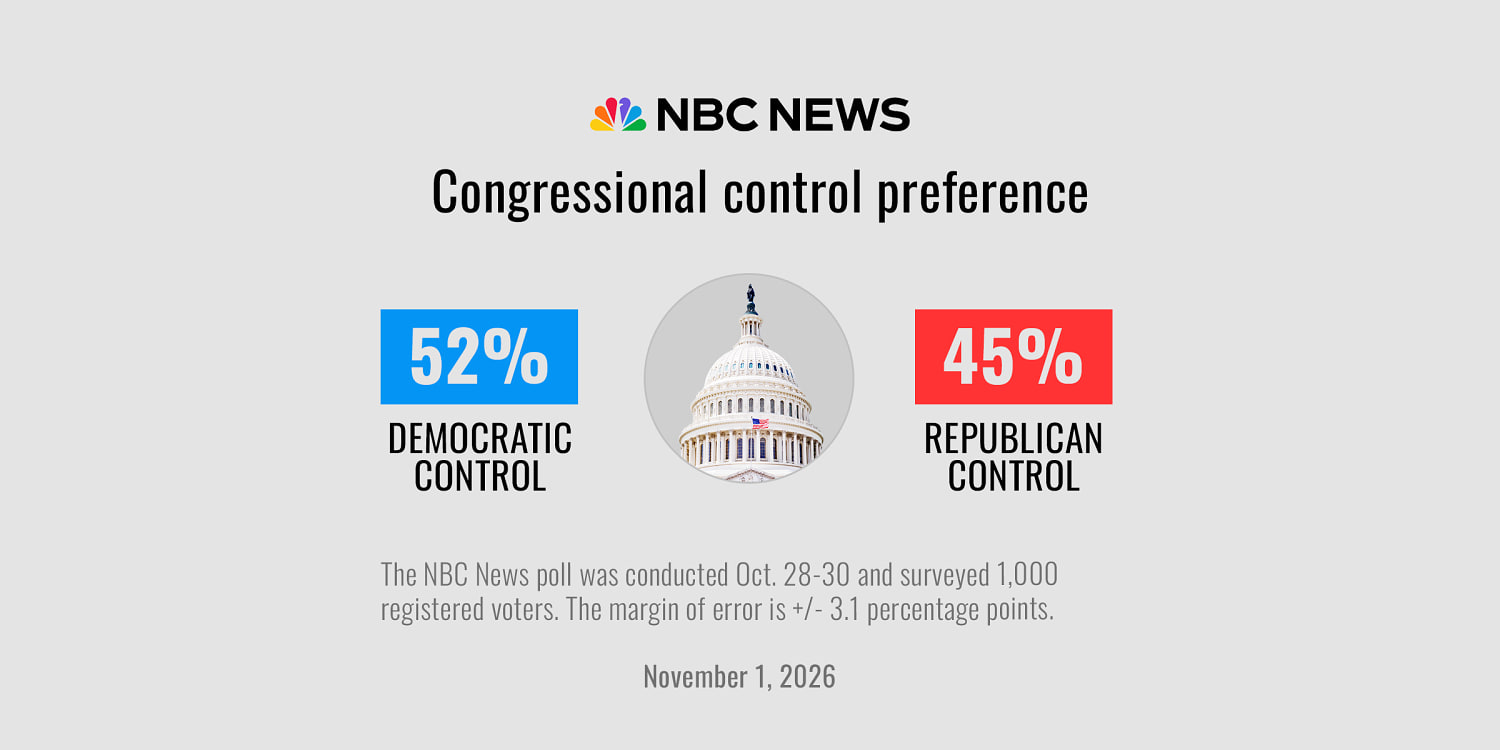
Image via NBC News
NBC Poll: Trump Disapproval Hits 60% And Dems Open A 7-Point Lead
A fresh national poll has Trump sitting at a 60% disapproval rating and Democrats up seven heading into Tuesday. The headline isn’t the margin, it’s the motivation: voters saying they want “change” and a “check” on Trump.
Markets trade probability, not vibes. A rising chance of divided government means less legislative throughput: fewer big tax swings, fewer sweeping regulatory packages, fewer surprise fiscal grenades. That tends to lower the political risk premium, even if it doesn’t solve growth or inflation.
📈 Fred's Take: If you’re long equities, you should prefer gridlock over “mandate” politics right now. A Dem-leaning midterm setup is a quiet tailwind for mega-cap tech and duration assets because it caps policy volatility. The trade isn’t about loving Democrats or hating Trump; it’s about reducing the odds of a large, fast policy shock that forces rates higher.
📎 NBC News

Image via The Hill
Deadly Florida Plane Crash Triggers Federal Probe: FAA And NTSB Move In
Transportation Secretary Sean Duffy says the NTSB has opened an investigation into a deadly Florida plane crash, with the FAA involved as well. When Washington steps in, the market immediately starts gaming out airworthiness directives, maintenance scrutiny, and liability.
You don’t need the final report to know the setup: insurers reprice risk, manufacturers and component suppliers get headline risk, and airlines get dragged if there’s even a whiff of systemic maintenance questions. It’s rarely “just one incident” in terms of how compliance costs behave afterward.
📈 Fred's Take: This is a volatility story for aerospace and airlines, not an instant thesis change. The first move is usually emotional selling; the second move is fundamentals once we learn whether this was mechanical, human, or procedural. If you own the sector, your real risk is regulatory overreaction that raises recurring costs, not the one-time news cycle hit.
📎 The Hill
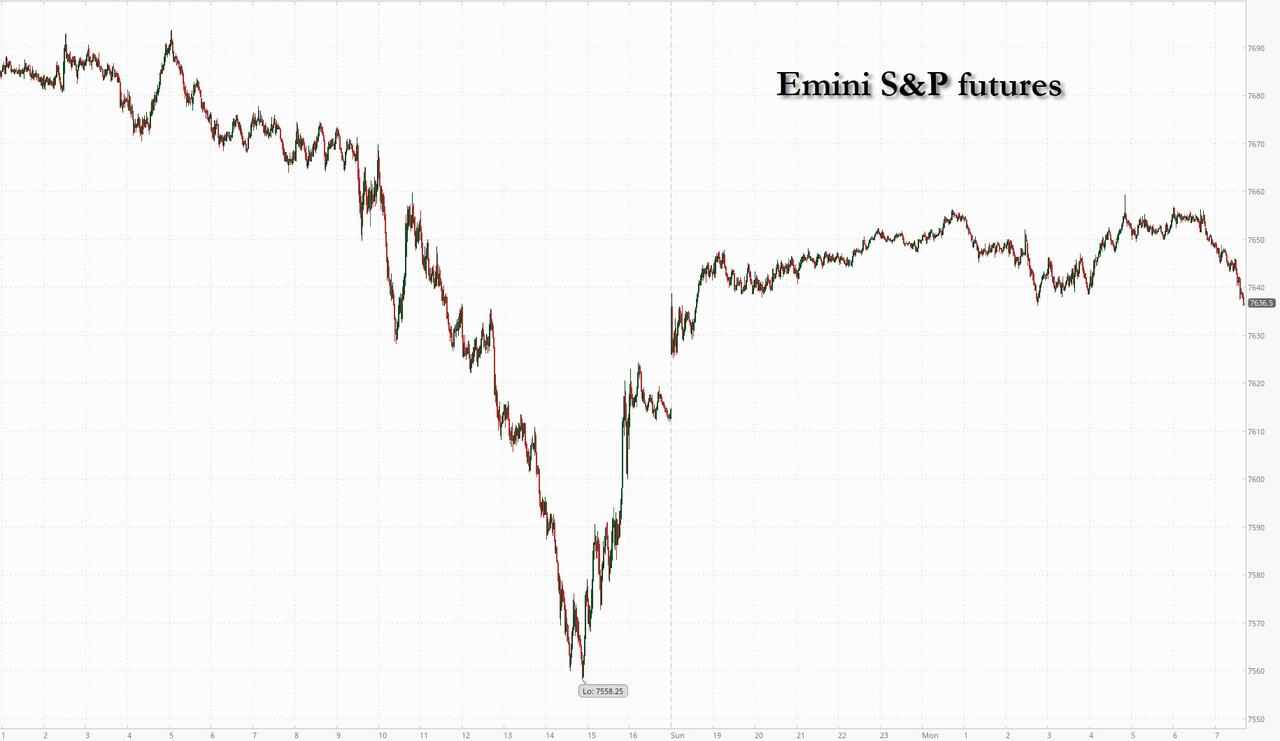
Image via ZeroHedge
Futures Up, Oil Slips Under $100 On Iran Diplomacy Chatter And A Tech Bounce
Futures are green while crude slips below $100, helped by a report tying Trump’s Iran diplomacy posture to lower perceived supply risk. At the same time, tech is bouncing as the market braces for midterm outcomes and tries to front-run a friendlier policy mix.
Cheaper oil is a tax cut and a CPI release valve. It also changes the rate narrative: lower inflation pressure gives the bond market room to breathe, which feeds directly into higher multiples for growth stocks. If energy stops driving inflation headlines, the whole cross-asset complex relaxes.
📈 Fred's Take: Under $100 oil matters because it loosens financial conditions without the Fed lifting a finger. That’s supportive for Nasdaq, credit, and even crypto because the “rates stay high forever” story weakens at the margin. Watch the follow-through: if crude can’t hold the break, this is just a positioning squeeze, not a macro regime shift.

Image via TheStreet
Exxon’s Real Money Is In Diesel Now, Not Just Drilling
Exxon’s CEO says diesel is the key crunch point in the fuel shortage, and the numbers back it up: the company is now making more money turning oil into diesel than pumping it out of the ground. That’s a loud message about where the bottleneck really is.
Refining margin dominance tells you two things. First, upstream supply is only half the story; conversion capacity is the choke. Second, energy “shortages” can persist even when crude supply improves, because the constraint is the industrial plumbing between barrel and pump.
📈 Fred's Take: This is why you don’t fade integrated oil on a crude pullback without checking refinery economics. If diesel stays tight, refiners and integrated majors keep printing cash even with softer headline oil prices. The bigger macro point: persistent diesel scarcity is inflationary in the real economy because it hits freight, farming, and construction first.

Image via Roll Call
Judge Boots DOJ Bid To Delay Alaska Vote Certification
A judge tossed the Justice Department’s lawsuit that sought to delay Alaska’s vote certification. That pushes the process back toward the default: certify, then fight it out through the normal political and legal channels.
For markets, certification drama is rarely about one seat; it’s about confidence in institutional plumbing. When courts move quickly and decisively, it reduces the tail risk of protracted uncertainty that can spill into funding markets, risk sentiment, and Washington’s ability to function.
📈 Fred's Take: Investors don’t need perfect politics; they need predictable process. This ruling is a small positive because it shortens the uncertainty window and keeps the certification mechanism from turning into a rolling litigation trade. Less chaos premium is good for equities and credit, and it quietly supports the dollar by reinforcing institutional stability.
That’s your setup. Trade what’s changing, hedge what’s not, and respect the tape before the open.
— Fred Frost

